How Your Coffee-Brewing Method Affects Your Health
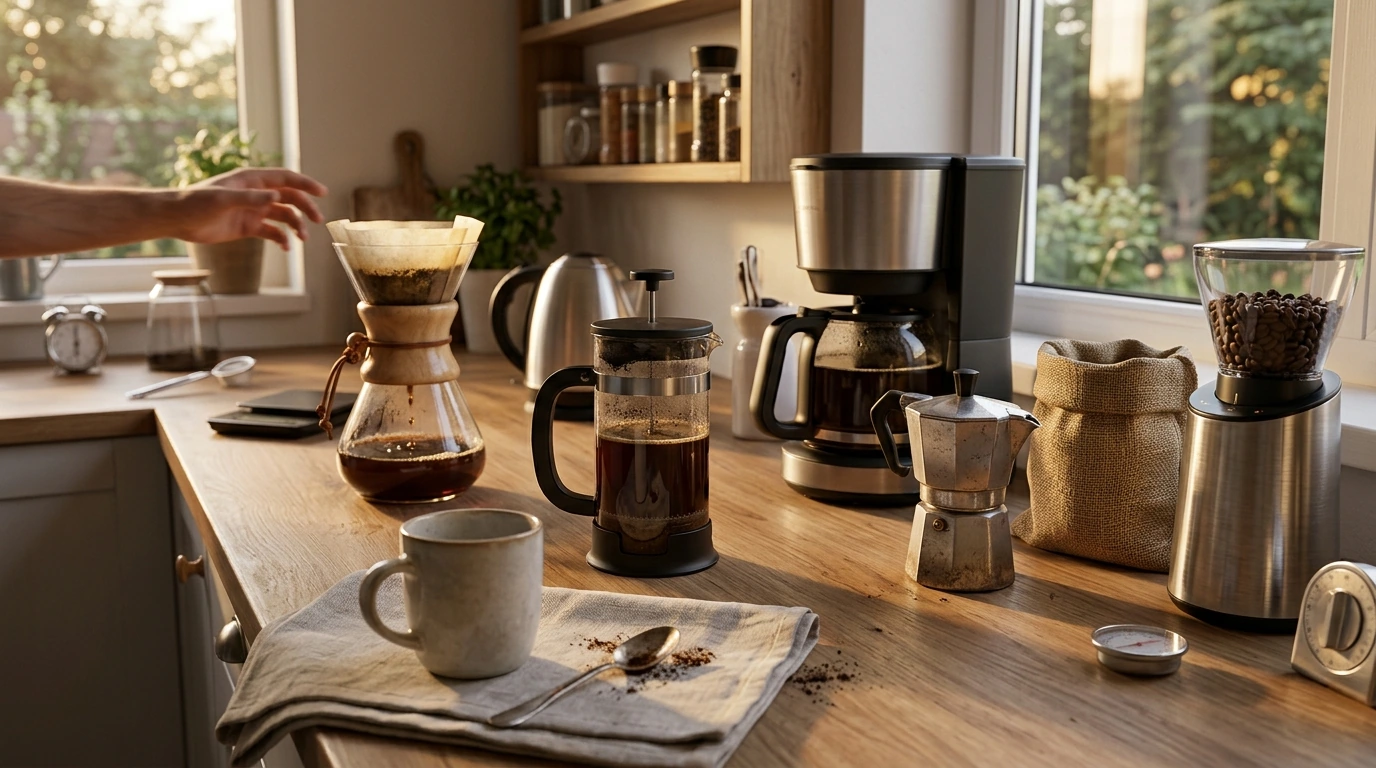
Which coffee brewing method is the healthiest?
For most people, paper-filtered coffee is a heart-conscious choice. A paper filter catches much of the cafestol and kahweol—natural oils in coffee that can raise LDL (“bad”) cholesterol when consumed regularly in larger amounts. Drip coffee made with a paper filter is a common example, and pour-over works similarly.
That does not make other brewing methods unhealthy for everyone. French press, boiled coffee, Turkish coffee, and some espresso drinks contain more of these compounds because they use little or no paper filtration. If you have high cholesterol or have been advised to limit it, choosing paper-filtered coffee more often may be a practical adjustment. Ask your health care professional for advice tailored to you.
Does the brewing method affect caffeine?
Yes, but the method alone does not determine how much caffeine you drink. Serving size, coffee-to-water ratio, bean type, and preparation all matter. Espresso is concentrated, for example, but a typical serving is much smaller than a mug of drip coffee. Compare actual serving sizes rather than assuming one method always delivers more caffeine.
What matters beyond the filter?
What goes into the cup can change its nutritional profile. Black coffee has very few calories, while generous amounts of sugar, flavored syrup, or cream add calories and, in some cases, saturated fat. If you want to keep a cup simple, try drinking it black or adding only a small amount of milk or another preferred addition.
A sensible everyday choice
Choose a method you enjoy, and consider paper filtration if reducing coffee oils is important to you. Pay attention to how caffeine affects your sleep, heart rate, or anxiety, and follow any personal guidance from a clinician. The FDA cites 400 milligrams of caffeine per day as an amount not generally associated with negative effects for most adults, but sensitivity varies, and that figure is not a target everyone needs to reach.
Brewing well also depends on the ratio, grind, and water—not just the filter. For help dialing in a cup at home, see our guide to coffee brewing basics, ratios, and grind.
FAQ
Does a paper coffee filter remove caffeine?
No. Paper filters mainly catch grounds and some coffee oils; they do not remove a meaningful amount of caffeine. The amount in your cup depends more on the coffee, serving size, and brewing choices.















Leave a comment