Driving Anxiety: How Many People Experience It?
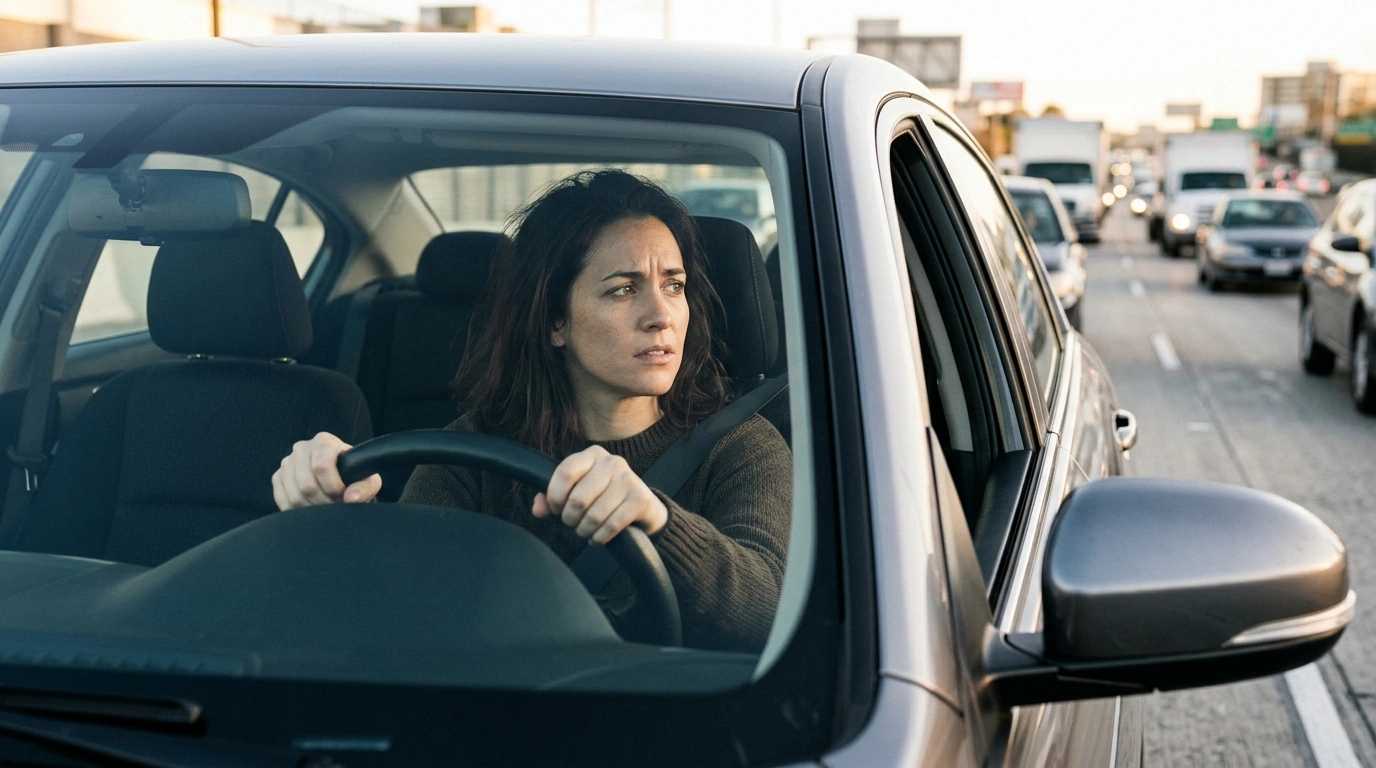
How common is driving anxiety?
Driving anxiety is common, though there isn’t one definitive statistic that captures everyone who experiences it. Surveys and studies use different definitions: some count occasional nervousness, while others focus on intense, persistent fear that interferes with daily life. Broad estimates often place some level of driving anxiety in the range of about 10% to 30% of drivers, but the figure depends on who is surveyed and how questions are asked.
Everyday nerves and persistent fear are different
Feeling tense before a long trip, driving in heavy traffic, or navigating an unfamiliar route is a familiar experience for many people. That doesn’t necessarily mean someone has a serious problem. Anxiety becomes more concerning when it happens often, feels difficult to control, or leads someone to avoid necessary trips, certain roads, or driving altogether.
People can also feel anxious in particular situations rather than behind the wheel all the time. Highways, bridges, bad weather, night driving, and busy intersections are common triggers. Someone may be comfortable on familiar streets but feel overwhelmed when conditions change.
Why prevalence estimates vary
There’s no single standard survey question for driving anxiety. One study might include mild worry, while another measures symptoms associated with a driving phobia. Results can also vary by age, driving experience, location, and whether participants have experienced a crash or another stressful event. For that reason, any percentage is best treated as an estimate—not a rule for judging an individual’s experience.
What the different findings have in common is that driving-related fear is not unusual, and people don’t have to be new drivers to experience it. Anxiety can begin after a stressful event or build gradually as someone loses confidence or starts avoiding situations that feel challenging.
When to consider getting support
Pay attention to whether anxiety is limiting your independence or making routine journeys feel unmanageable. A gradual return to driving, starting with short trips in calmer conditions, may help some people. If fear is intense or persistent, a mental health professional can help you explore it and identify a suitable plan. Avoid driving when you feel unable to do so safely.
For more on possible triggers and ways to rebuild confidence, read our guide to driving anxiety, its causes, and rebuilding confidence.
FAQ
What can help ease anxiety before driving?
Plan a familiar route, allow extra time, and try a few slow breaths before setting off. If anxiety makes it hard to focus or drive safely, wait until you feel ready or arrange another way to travel.
















Leave a comment