Driving Anxiety Causes: Triggers, Body Signals, Confidence
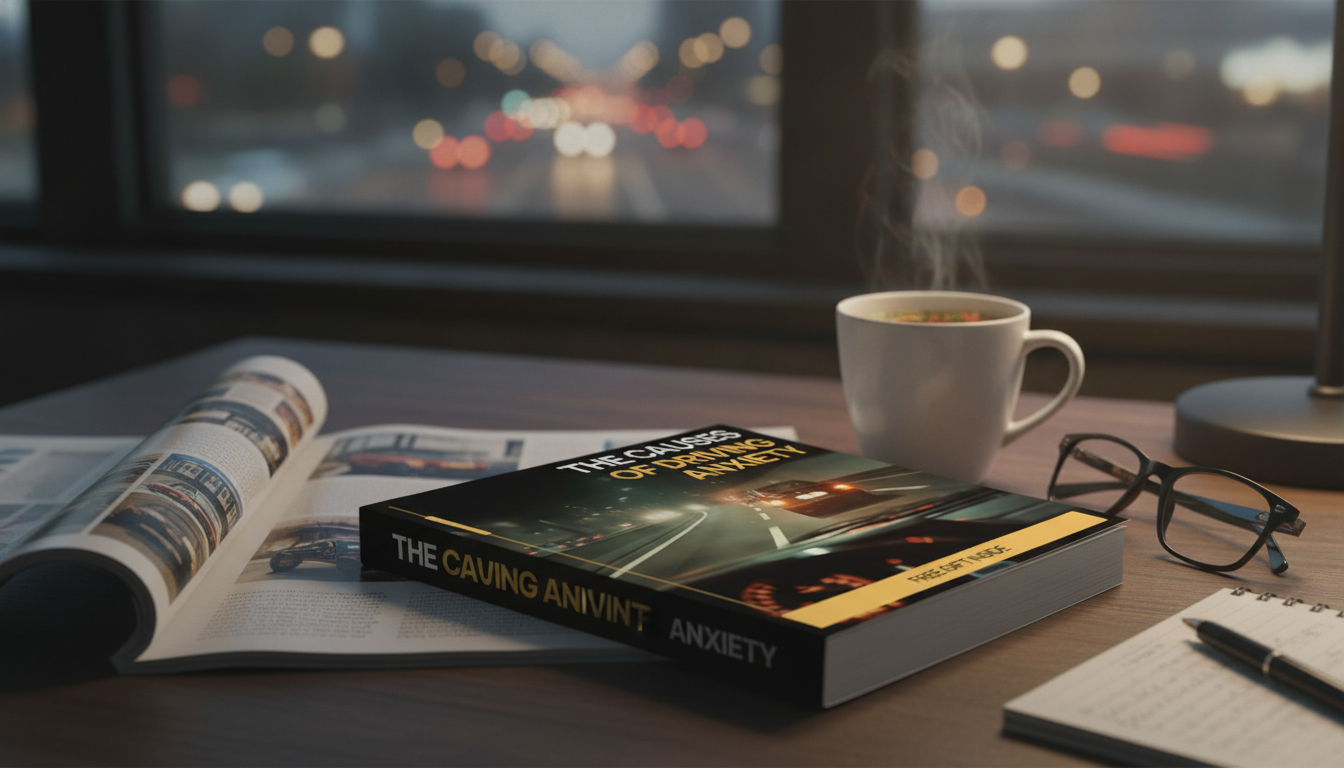
The Causes of Driving Anxiety and How Confidence Behind the Wheel Rebuilds
Driving anxiety can show up as dread before a trip, panic on highways, or avoidance of unfamiliar routes. Understanding what fuels the fear—body sensations, past experiences, attention patterns, and real-world conditions—makes it easier to choose the right coping tools and gradually regain confidence behind the wheel.
What driving anxiety can look like day to day
Driving anxiety isn’t always dramatic. For many people, it’s a steady “something feels off” that spikes in certain situations and fades when the car is parked.
- Common signs: racing heart, tight chest, shaky hands, nausea, dizziness, intrusive “what if” thoughts, or feeling detached while driving.
- Behavior patterns: avoiding highways, bridges, tunnels, left turns, night driving, heavy traffic, or driving alone.
- Safety behaviors that can backfire: gripping the wheel tightly, driving far below the limit, repeated mirror-checking, or calling someone during every trip for reassurance.
- How avoidance maintains fear: the quick relief from “not driving” teaches the brain that driving must be dangerous—making anxiety louder next time.
- When it becomes a problem: driving limitations interfere with work, caregiving, social life, or medical appointments.
Why the body’s threat system activates in the driver’s seat
Driving puts the brain in a high-responsibility role: you’re moving fast, making rapid decisions, and staying alert to unpredictable changes. When the threat system flips on, it can feel like a personal malfunction—when it’s often just an overprotective alarm.
- Adrenaline and fight-or-flight: a burst of adrenaline can cause sweating, trembling, and a pounding heart—sensations that feel alarming but aren’t automatically dangerous.
- Interoceptive sensitivity: some people notice small shifts in breathing or heart rate and interpret them as signs of impending loss of control.
- Motion and sensory factors: speed, visual flow, vibration, and peripheral movement can intensify dizziness or derealization in some individuals.
- Hypervigilance: constantly scanning for danger raises stress hormones and can make reactions feel rigid rather than flexible.
- Lower stress tolerance: sleep deprivation, dehydration, and hunger can make normal sensations feel sharper and harder to ignore.
For a basic overview of how anxiety works, see the American Psychological Association (APA) guide on anxiety and the National Institute of Mental Health (NIMH) overview of anxiety disorders.
Root causes: where driving anxiety often starts
Driving anxiety usually has a “starting point,” even if it’s not obvious at first. The trigger might be a single moment, a health change, or a slow build of stress that finally spills into the driver’s seat.
- Past stressful events: near-miss incidents, accidents, or witnessing crashes can condition fear responses in similar settings.
- Panic conditioning: a first panic attack while driving can create fear of fear—worrying about having another attack behind the wheel.
- Generalized anxiety or health anxiety: everyday worry transfers into driving (fainting, losing control, harming others).
- Trauma and PTSD: intersections, sirens, or specific locations can trigger flashbacks or intense body reactions.
- Perfectionism and fear of judgment: worry about making mistakes, being honked at, or “not driving correctly.”
- Skill gaps after time away: long breaks, moving to a new city, or learning later in life can amplify uncertainty.
- Medical contributors: vertigo, migraine, medication side effects, low blood sugar, or vision issues can create driving-specific fear.
Situational triggers that commonly raise anxiety
Triggers, common thoughts, and helpful counter-skills
| Driving trigger | Typical anxious thought | Skill to practice |
|---|---|---|
| Merging onto a highway | “I won’t find a gap and I’ll crash.” | Pre-plan merges, use a steady acceleration, and practice graded exposures at quieter times |
| Bridges or tunnels | “I’ll be stuck and panic.” | Box breathing, label sensations as temporary, and choose shorter crossings to build tolerance |
| Stop-and-go traffic | “I can’t handle this pressure.” | Focus on one-car-length goals, relax shoulders/jaw, and use calming self-talk |
| Night driving | “I won’t see hazards in time.” | Reduce glare, increase following distance, and take familiar routes initially |
| Unfamiliar routes | “I’ll get lost and lose control.” | Preview the route, set audio directions, and plan safe pull-over points |
How confidence is rebuilt: a practical mental health framework
Using an eBook guide to map causes and build a plan
If you want a guided breakdown that stays practical, consider The Causes of Driving Anxiety – Insightful eBook Guide Exploring the causes of driving anxiety, Mental Health & Confidence Behind the Wheel, which is designed to help clarify what’s fueling the fear and how to rebuild confidence step by step.
For body-based support—especially if tension and tight breathing show up fast—pairing insight with relaxation practice can make exposure work feel more manageable. Muscle Relaxation Toolkit for Total Tension Relief – 3-in-1 Bundle for Deep Muscle Relaxation can support calming skills that reduce escalation while driving.
When anxiety may signal something else
FAQ
Why did driving anxiety start suddenly even after years of driving?
A single intense episode (like a panic attack or near-miss) can “link” fear to driving, and high stress, poor sleep, caffeine, or new health changes can make the body’s alarm system easier to trigger. Graded exposure and skill practice often help, and it’s wise to rule out medical contributors if symptoms are new or unusual.
Can driving anxiety go away without medication?
Yes—many people improve with approaches like CBT, exposure therapy, breathing and relaxation training, and lifestyle supports that lower baseline stress. Medication can be helpful for some situations, but it’s a personal decision to discuss with a clinician based on symptoms and safety.
What is the fastest way to calm down while driving?
Use a quick reset: slow your breathing (steady inhale/exhale), soften your grip and drop your shoulders, and focus on concrete cues like lane lines and the car ahead rather than “what if” thoughts. If panic escalates or you feel unsafe, signal and pull over to a safe spot to regroup.
















Leave a comment