Who Should Avoid Progressive Muscle Relaxation (PMR)
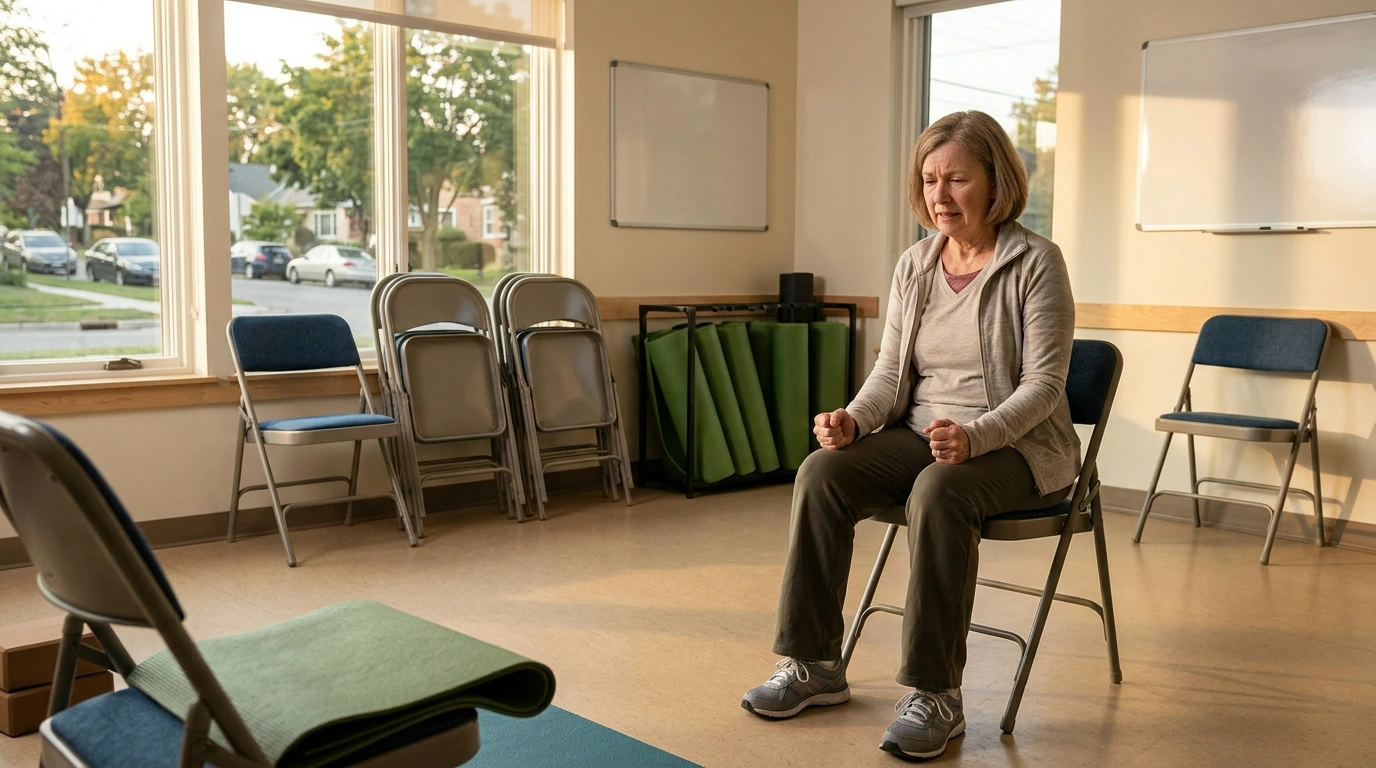
Who shouldn’t do progressive muscle relaxation?
Progressive muscle relaxation (PMR) is generally gentle, but it isn’t a fit for everyone. PMR involves intentionally tightening and releasing muscle groups, and that “tensing” step can be uncomfortable—or even risky—if certain health issues are present. If any of the situations below apply, it’s best to skip PMR or get medical guidance before trying it.
People with recent injuries or post-surgery restrictions
If you have a recent strain, sprain, fracture, surgical incision, or any movement restrictions from a clinician, the tensing phase may aggravate healing tissue. Even light muscle contractions can create pulling or pressure where the body needs rest.
Anyone with severe or chronic pain that flares with contraction
Conditions such as intense back pain, certain headache disorders, or pain syndromes that worsen when muscles contract may be triggered by PMR. For these individuals, techniques that emphasize passive release (without tensing) may feel safer.
People with uncontrolled cardiovascular or blood pressure concerns
Tensing can briefly raise blood pressure and heart workload. If you have uncontrolled hypertension, unstable heart disease, or you’ve been told to avoid straining (including isometric effort), PMR should be cleared with a healthcare professional first.
Those prone to cramps, spasms, or neuromuscular symptoms
If muscle tightening tends to cause cramping, spasms, or nerve-related symptoms (like tingling or shooting pain), PMR can provoke uncomfortable sensations. Stopping immediately is appropriate if symptoms appear.
People who experience panic with body-focused exercises
Some individuals find that scanning the body or noticing internal sensations increases anxiety. If PMR makes you feel trapped, dizzy, or panicky, a slower approach—such as paced breathing or a guided relaxation that avoids intense focus on sensations—may be a better starting point.
For safer options, modifications, and step-by-step guidance, visit the main guide here: 3-in-1 Muscle Relaxation Toolkit: Total Tension Relief.
FAQ
What are some alternatives to progressive muscle relaxation if I can’t tense my muscles?
Try diaphragmatic breathing, body scan relaxation without tensing, gentle stretching, or guided imagery. These approaches can calm the nervous system while keeping muscle effort minimal.














Leave a comment