5 Stages of a Fashion Trend: From Innovation to Fade
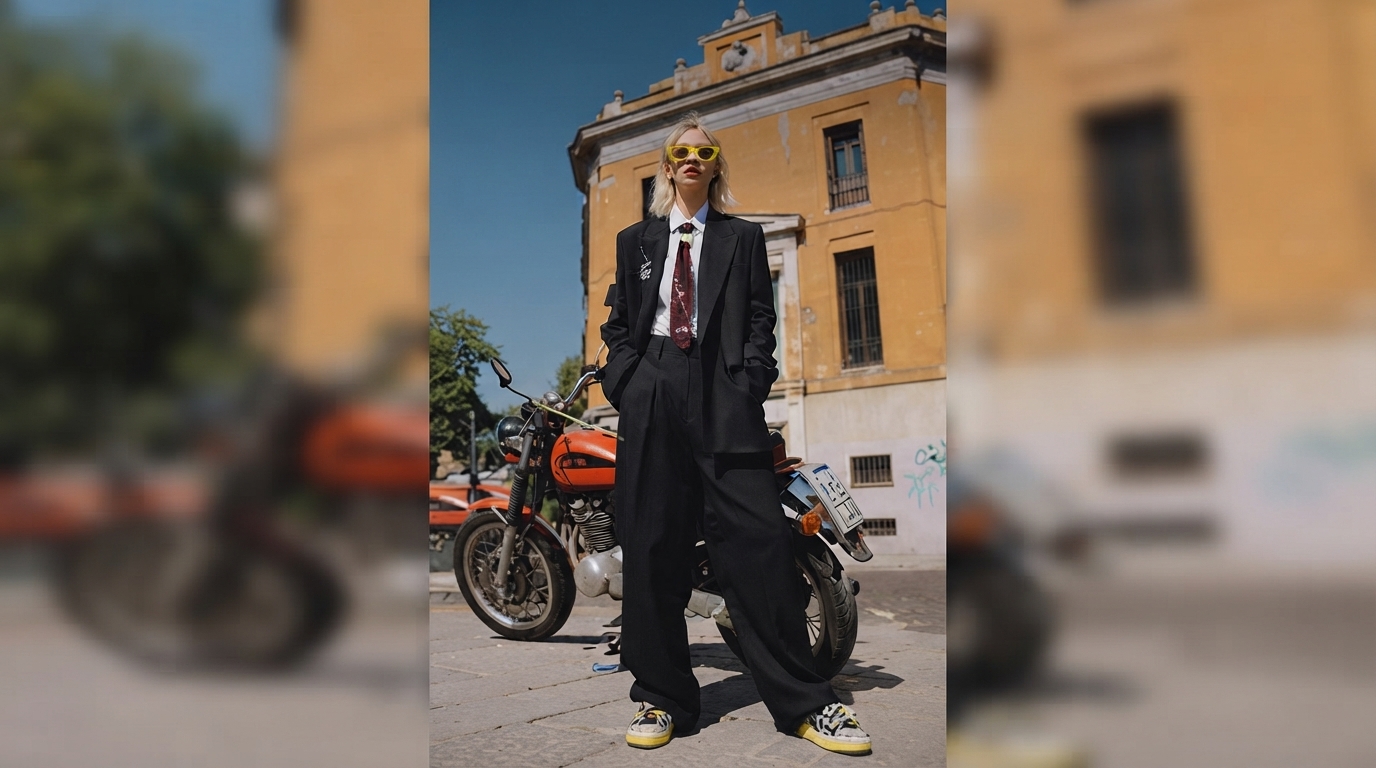
What are the 5 stages of a fashion trend?
Fashion trends don’t “just happen”—they move through a familiar cycle. When you understand the five stages, you can shop and style with better timing, whether you’re building a capsule wardrobe, planning event outfits, or choosing materials for a seasonal refresh. Our team uses this trend lifecycle to guide what we stock, how we recommend styling, and when to prioritize fabric, color, or silhouette changes.
1) Introduction (Innovation)
This is when a new idea appears: a fresh silhouette, color story, print, or fabric finish. You’ll usually see it first through runway collections, celebrity looks, emerging designers, or niche style communities. If you love being early, try the idea in low-risk pieces—accessories, layering items, or one standout top—before committing to a full look.
2) Rise (Early Adoption)
The trend becomes more visible as stylists, influencers, and fashion-forward shoppers start wearing it in real life. Brands release easier-to-wear versions, and you’ll notice more options across different price points. This is a smart stage to buy if you want the look to feel current for the longest time.
3) Peak (Mass Acceptance)
At peak, the trend is everywhere: major retailers, street style, and social feeds. Selection is widest, and it’s easiest to find your best fit, preferred color, and flattering cut. If you’re shopping here, focus on quality details—fabric weight, drape, and comfort—so your piece still performs when the hype fades.
4) Decline (Saturation)
People start moving on, and the trend can feel overdone. Prices often drop, making it a good time to pick up well-made basics in the trend’s palette or fabric—items you can restyle beyond the moment. Choose adaptable shapes over extreme versions.
5) Obsolescence (Fade-Out or Recycle)
The trend either disappears or gets shelved until it returns later with a twist. If you still love it, keep it—but style it with updated staples (modern denim cuts, current footwear proportions, cleaner layering). This is also the moment to edit your closet and keep only pieces that truly earn their space.
If you want a practical way to time fabric choices alongside trend shifts, use our seasonal planning guide here: Seasonal Fabric Forecast Checklist for Designers and Stylists.
FAQ
How can you forecast fabrics for next season?
Start with the season’s function (temperature, layering needs, occasions), then narrow to fibers and weights that match the trend direction you’re seeing. Build a small fabric “shortlist” and test how it drapes, breathes, and holds color before committing to multiple pieces.








Leave a comment