Seasonal Fabric Forecast Checklist for Designers & Stylists
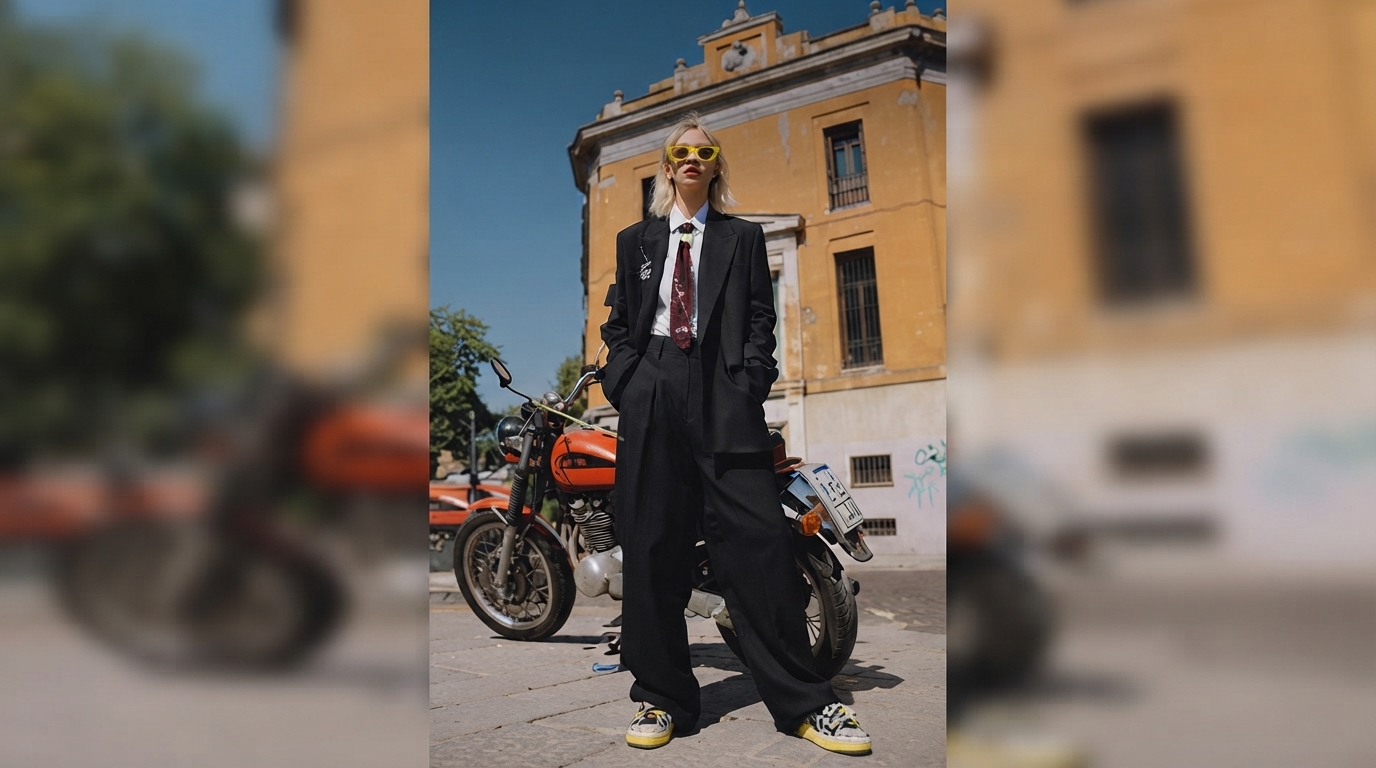
Fabric Forecast: A Seasonal Checklist for Fabric Trends in Design and Styling
Seasonal fabric shifts can make or break a collection’s mood, silhouette, and sell-through. A reliable fabric forecast keeps the conversation grounded in what actually changes from season to season—texture, drape, weight, and finish—so sourcing, design decisions, and styling pulls stay aligned from concept to final look. The checklist approach below helps spot repeatable signals early and translate them into wearable, buildable garments that read current without feeling costume-y. For more guidance, see Top Fabric Trends Designers Are Loving This Season – Sahni Fabs.
How a seasonal fabric forecast is built
A strong forecast isn’t just “what’s new.” It’s a pattern of evidence that explains why a fabric direction is showing up now—and how to spec it for real products. For further reading, see Première Vision: Spring-Summer 2025 Fabric Trends! – Peclers Paris.
- Start with lifestyle drivers: weather shifts, travel, occasion dressing, comfort priorities, and how much movement the season demands.
- Track runway and retail at the fabric level: focus on what repeats across brands rather than only the loudest statement pieces. Sources like Vogue Runway help for silhouettes, while retail tells you what’s being produced at scale.
- Separate fiber story from finishing story: the same base cloth can read completely different after garment-dye, sanding, coating, embossing, or a sheen shift.
- Confirm the “why now”: price and availability matter. So do care requirements—if a finish is too delicate, it may stay niche even if it looks trend-forward.
- Translate macro cues into specs: weight range (GSM/oz), stretch %, opacity, handfeel, and the end-use “do’s/don’ts” for patternmaking and construction.
Seasonal fabric trend signals to watch (and how to interpret them)
Most seasons don’t hinge on a single “new” fabric—rather, on what designers do to familiar bases. These signals are often the earliest clues that styling language is shifting.
- Texture as the headline: brushed, peached, bouclé, slub, rib, jacquard, and raised surfaces tend to broadcast trend changes fastest. Texture also photographs well, which accelerates adoption.
- Sheen levels follow occasion cycles: matte supports utilitarian minimalism; satin, high-luster, and coated finishes rise when events and evening dressing gain momentum (watch trade coverage from The Business of Fashion for the bigger market story).
- Soft structure returns repeatedly: compact knits, suiting with elastane, bonded/double-face constructions—anything that holds shape without feeling stiff.
- Transparency and layering cues: voile, organza, mesh, lace, and semi-sheer knits signal outfits built around depth, underpinnings, and intentional visibility.
- Tactile comfort: fleece-back, interlock, ponte, and sweater knits trend when silhouettes relax and customers prioritize ease.
Trend-ready fabrics to consider this season
If you’re building a seasonal fabric board, start with these categories and refine using measurable specs (weight, stretch, recovery, opacity) instead of only swatch photos.
Fabric trend checklist: quick evaluation by design use
| Fabric direction | Best for | What to check before buying | Styling cue |
|---|---|---|---|
| Crisp poplin / compact cotton | Shirts, dresses, sculptural volume | Wrinkle behavior, opacity, seam show-through | Sharp collars, oversized sleeves |
| Linen & linen blends | Relaxed tailoring, sets, warm-weather layers | Shrinkage, slub consistency, crease pattern | Easy suiting, tonal looks |
| Satin / liquid drape | Bias skirts, slips, blouses | Snag resistance, shine level, lining needs | Minimal silhouettes, glossy accents |
| Sheer fabrics (organza/mesh) | Layering pieces, overlays, details | Tear strength, seam finishing, transparency | Depth styling, visible underlayers |
| Textured bouclé/tweed | Jackets, minis, vests, trims | Fraying, weight, itch factor, pattern matching | Polished sets, contrast edging |
| Denim & denim-look twills | Pants, jackets, dresses, sets | Recovery, crocking, shrinkage, topstitching | Double denim, structured casual |
| Coated / leather-like | Outerwear, statement skirts, bags | Cracking, heat sensitivity, breathability | High-contrast looks, shine moments |
| Ponte / structured knits | Body-skimming dresses, pants, blazers | Pilling, stretch %, return, seam slippage | Clean lines, comfort tailoring |
Design and styling: turning fabric trends into wearable pieces
Sourcing checklist: what to verify before committing
- Fiber content and certification claims: confirm documentation when sustainability or performance is part of the product promise (resources like Textile Exchange can help frame terminology and standards).
- Weight and handfeel in numbers: GSM/oz, thickness, stretch %, and recovery will predict fit and longevity far better than a screen image.
- Care pathway: test wash, press, and heat sensitivity—especially for coated finishes and satins that can watermark or shine.
- Colorfastness and crocking: critical for dark denim, coatings, and high-saturation dyes; failures show up fast in returns.
- Supply continuity: if a style might carry over into the next drop, confirm re-orderability and batch consistency.
Downloadable checklist for faster trend decisions
- Fabric Forecast – Seasonal Fabric Trends Checklist (digital download)
- Muscle Relaxation Toolkit for Total Tension Relief – 3-in-1 Bundle for Deep Muscle Relaxation
- Peaceful Nights System for Worried Sleepers – 4-in-1 Bundle to Calm Kids’ Night Fears
FAQ
How often should a fabric forecast be updated?
Check monthly for retail signals and material repeats, then do a deeper seasonal refresh 2–4 times per year. If you’re developing product, update earlier than the season itself to match sourcing and production lead times.
What’s the fastest way to tell if a fabric trend will work for a specific garment?
Match the fabric’s properties to the garment’s function—drape, stretch, opacity, structure—then validate with a small sample test. Prioritize recovery, seam behavior, and care results before committing yardage.
Do trending fabrics always require new silhouettes?
No. Many trends are adoptable through material swaps, finishing changes, and updated styling; classic blocks can look current with a new texture, sheen level, or layering approach.










Leave a comment