Off-Leash Training for Dogs: Benefits, Risks, and Safety
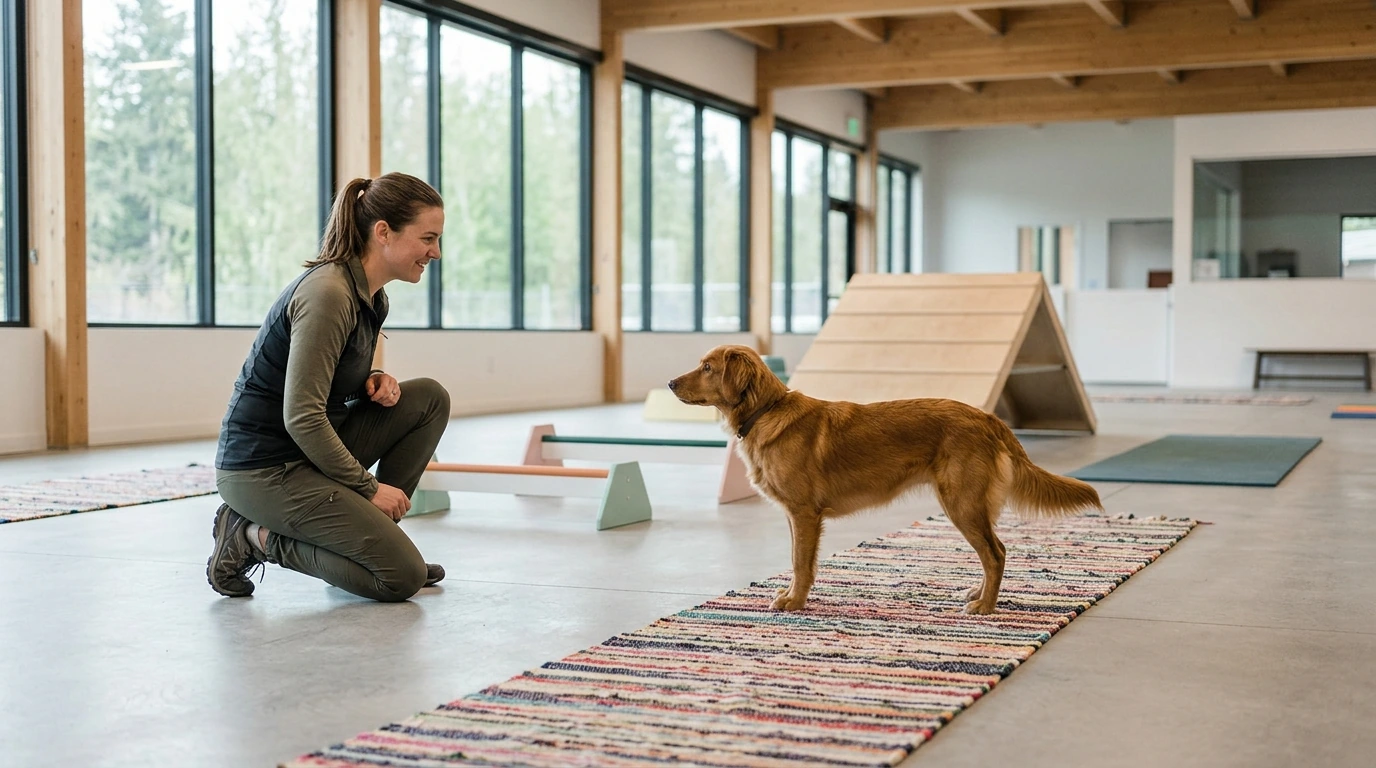
Is off-leash training good for dogs?
Off-leash training can be very good for dogs when it’s built on safety, strong communication, and realistic expectations. Done well, it gives many dogs a healthier outlet for movement and exploration, boosts confidence, and deepens responsiveness because the dog learns to choose the handler even when distractions exist. It can also make everyday life easier—think hiking, beach walks, or moving between spaces without constant leash tension.
That said, off-leash freedom isn’t automatically “better” than a leash. The biggest benefit only shows up when a dog has a reliable recall, can disengage from distractions, and can remain focused around other dogs, people, and wildlife. Without those skills, off-leash time can increase risk: running into traffic, chasing animals, approaching strangers, or practicing ignoring cues (which can quickly become a habit).
When off-leash training is a great idea
Off-leash work is especially helpful for dogs that need more room to move and can handle training steps thoughtfully. It’s a strong choice if:
- Your dog is motivated by rewards and learns consistently.
- You have access to safe spaces (fenced areas, long quiet trails, controlled fields).
- You’re willing to practice recall and focus frequently, not just “test” it occasionally.
When off-leash training may not be appropriate (or not yet)
Some dogs need extra time or management before off-leash is realistic. Use caution if your dog has a history of bolting, strong prey drive, fearfulness, reactivity, or selective hearing around distractions. In these cases, a long line can provide “freedom with backup” while training progresses.
How to do it responsibly
Start with foundations: name response, check-ins, and recall under low distraction. Gradually increase difficulty and distance while keeping success high. Proof the recall around real-life triggers, and practice an emergency recall cue reserved for high-value rewards. For a step-by-step approach to building reliable recall, focus, and confident freedom, see the complete guide here: off-leash training guide.
FAQ
What is the safest way to start off-leash training?
Begin in a fenced area or on a long line, reward check-ins heavily, and practice recall at short distances before adding distractions. Progress only when your dog succeeds consistently in the current setting.
















Leave a comment