Off-Leash Training: Reliable Recall, Focus & Freedom
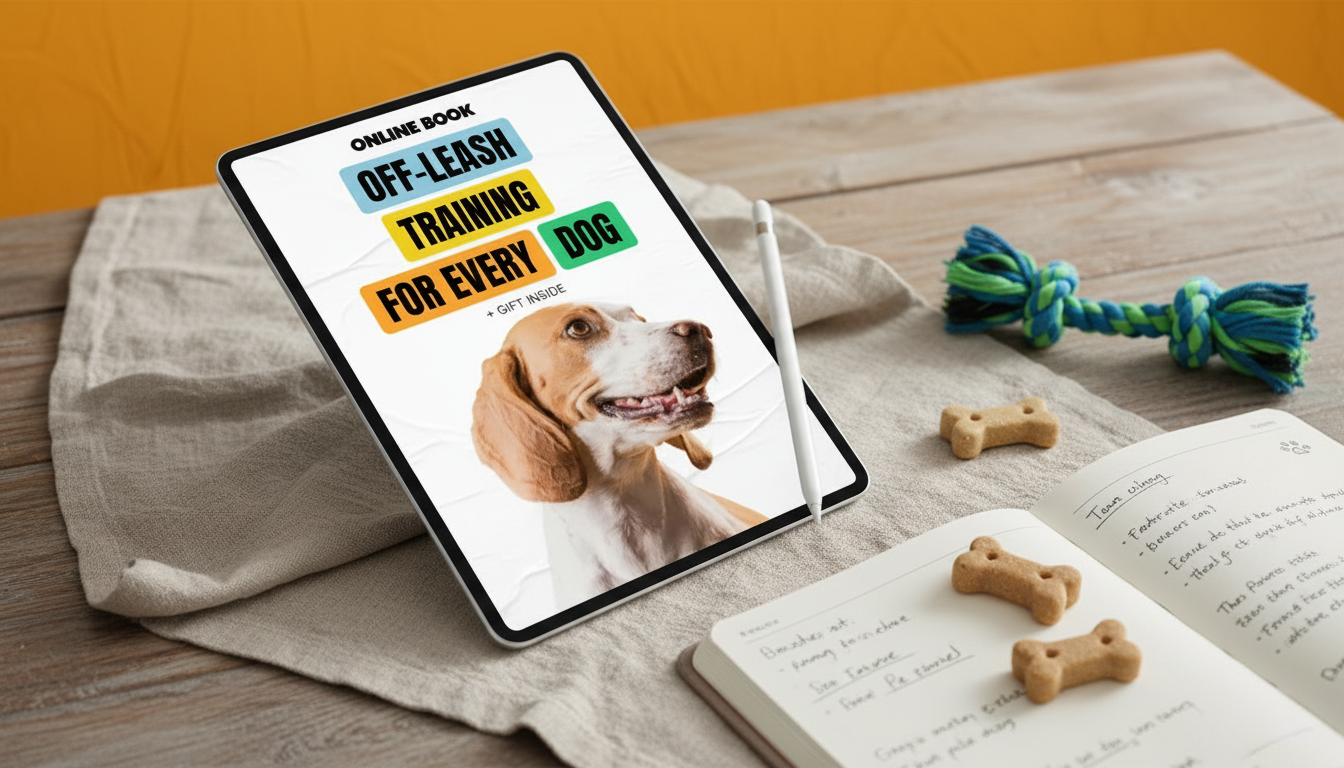
Off-Leash Training Tips for Every Dog: Reliable Recall, Focus, and Confident Freedom
Off-leash skills aren’t a single command—they’re a set of habits built through structure, rewards, safety, and smart progression. With the right foundation, most dogs can learn to check in, respond to recall, and move confidently without pulling or bolting around everyday distractions. The most reliable results come from low-stakes practice, short successful repetitions, and gradual increases in distance, duration, and distractions.
Before Going Off-Leash: Safety, Laws, and Readiness Checks
Start with the boring stuff—it’s what keeps training from turning into an emergency. Confirm local leash laws and choose legal, low-risk areas such as fenced fields, private yards, or quiet courts where dogs are allowed. If off-leash access isn’t permitted, a long line can provide nearly all the training benefits without the risk.
Next, check health and comfort. Pain, itchy skin, poorly fitted gear, or anxiety can dramatically reduce responsiveness. Temperament and history matter, too: dogs with intense chase drive, prior bolting, or fear reactivity typically need a slower progression with more management.
Use a 15–30 ft long line as a bridge between on-leash and off-leash work. Avoid “testing” recall off-leash too early—one successful escape can teach your dog that ignoring you works. Prepare an emergency plan: visible ID tag, microchip info updated, a recent photo, and a practiced “let’s go” cue (an upbeat U-turn that means move with you now).
Build the Foundation: Engagement, Reinforcement, and Marker Skills
Reliable off-leash behavior begins with engagement. Teach a clear marker—either a clicker or a consistent word like “yes”—to pinpoint the exact moment your dog makes the right choice. A crisp marker speeds learning because your dog knows precisely what earned the reward.
Reinforce check-ins early and often. When your dog looks at you, drifts back toward your side, or chooses you over the environment, pay it—even if you didn’t ask. This builds a default habit of staying connected.
Choose rewards strategically. Low distraction might only need kibble; higher distraction may require tiny meat or cheese, a favorite tug, or a quick “chase the toy” burst. Keep sessions short (3–5 minutes) and upbeat, multiple times per day. If your dog ignores a cue, don’t repeat it like background noise—reduce difficulty and rebuild success.
Recall That Holds Up: A Simple Progression That Scales
Start indoors with easy wins. Call your dog room-to-room, then build to mild distractions like sniffing or a toy on the floor. When the indoor recall is fast, move to a fenced outdoor space. Begin with short distances, then add movement—jog away so your dog “chases to you,” which often creates a faster, happier response.
Off-Leash Walking Skills: Focus Without Constant Micromanagement
A Week-by-Week Practice Plan (Adjust to Your Dog’s Pace)
| Stage | Environment | Main Goal | Typical Session | When to Advance |
|---|---|---|---|---|
| Stage 1 | Indoors | Fast response to name + recall cue | 3–5 minutes, 10–15 recalls with high rewards | Dog turns and runs to you immediately most reps |
| Stage 2 | Fenced yard / quiet area | Recall past mild distractions | 5 minutes, recall → reward → release to sniff | Dog returns even when mildly interested in smells |
| Stage 3 | Long line outdoors | Distance + reliability | 10 minutes, 5–10 recalls mixed with walking | Dog recalls without line tension most reps |
| Stage 4 | Busier parks (long line) | Distraction proofing | Short reps near triggers at safe distance | Dog can disengage and return consistently |
| Stage 5 | Legal off-leash zones | Real-world maintenance | Recall drills sprinkled into normal walk | Reliable recall even when surprised or excited |
Common Problems and Quick Fixes
Dog ignores recall
Dog plays keep-away
Dog recalls slowly
Dog bolts toward dogs/people
Dog is anxious off-leash
Gear and Setup That Makes Success More Likely
A Practical Guide to Keep Training Consistent
For additional training guidance from established organizations, visit the American Kennel Club training resources and the Association of Professional Dog Trainers resource center.
Digital Download Option for Structured Off-Leash Practice
If a checklist-style structure helps you stay consistent, a downloadable guide can keep drills simple and repeatable on busy weeks. Off-Leash Training Tips for Every Dog (digital eBook download) focuses on step-by-step recall, focus games, calm walking habits, and troubleshooting so you can progress from easy setups to real-life distractions without rushing.
Some handlers also like adding recovery tools for themselves so training stays patient and steady over time. Options such as the Muscle Relaxation Toolkit for Total Tension Relief – 3-in-1 Bundle for Deep Muscle Relaxation and the Peaceful Nights System for Worried Sleepers – 4-in-1 Bundle to Calm Kids’ Night Fears can support calmer routines at home, which often makes it easier to keep dog training consistent.
FAQ
How long does it take to train reliable off-leash recall?
Many dogs show major improvement in a few weeks, but truly reliable recall typically takes months of consistent practice. Advance only after consistent success (around 8/10 reps) as you increase distance, duration, and distractions.
Can any dog be trained to walk off-leash safely?
Many dogs can improve dramatically, but not every dog is a safe off-leash candidate in every environment due to prey drive, fear, reactivity, or local safety constraints. A long line is a strong alternative that provides freedom while preventing dangerous rehearsal.
What should be done if a dog runs away when called?
Don’t chase. Use a cheerful voice, run the other direction, or briefly hide to trigger a “find you” response, then reward heavily when your dog arrives. Rebuild reliability with long-line practice so ignoring recall doesn’t become a habit.
















Leave a comment