Overcome Bad Driving Anxiety: 5 Practical Steps
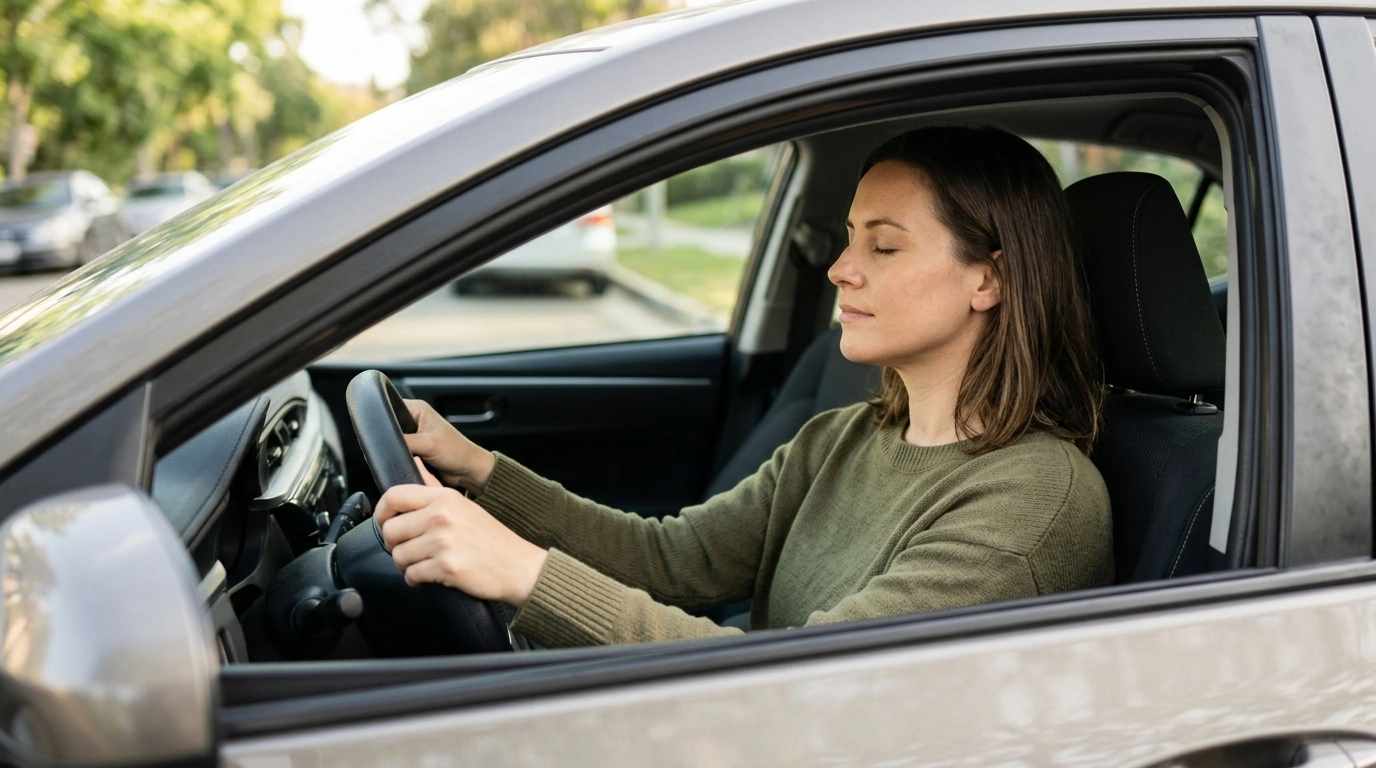
How to get over bad driving anxiety?
Getting over bad driving anxiety is usually less about “pushing through” and more about rebuilding trust in yourself through small, repeatable wins. Our team sees the best results when you focus on a plan you can practice consistently, not a single big leap.
1) Name your specific trigger (not just “driving”)
Anxiety drops faster when you target the exact situation: merging, left turns, night driving, highways, parking lots, or driving with passengers. Write down your top 2–3 triggers and rank them from easiest to hardest so you can practice in order.
2) Use a graded practice route
Start with a 5–10 minute loop on familiar streets at low-traffic times. Repeat the same route until your body stops treating it like a threat, then add one new challenge (one busier intersection, one lane change, or a slightly longer distance). Consistency matters more than distance.
3) Set up your car to reduce “background stress”
Before you drive, adjust your seat, mirrors, and steering wheel so you’re not straining. If it helps you feel more in control, add practical comfort and visibility upgrades like a supportive seat cushion, a non-slip steering wheel cover, a wide-angle mirror, or a simple phone mount for hands-free navigation prompts.
4) Build a pre-drive and in-drive reset routine
Try a 60-second reset before turning the key: inhale slowly, exhale longer than you inhale, relax your shoulders, then name one objective for the drive (example: “smooth stops”). If panic spikes while driving, keep your eyes up, loosen your grip, and focus on steady speed and extra following distance rather than “fixing” the feeling.
5) Reframe setbacks as data
A shaky drive doesn’t erase progress; it shows what needs more practice. Keep a simple log: where you drove, what felt hard, and one thing you handled well.
For a deeper breakdown of causes, common triggers, and confidence-building steps, read our guide: Driving Anxiety: Causes, Triggers, and How to Rebuild Confidence.
FAQ
What should I do if I feel anxious as a passenger?
Practice the same calming routine you’d use as a driver: slow exhale, relaxed shoulders, and a single focus point (like the horizon). If you trust the driver, letting them know what helps—quiet, no sudden lane changes, or more following distance—can reduce your body’s “alarm” response.
















Leave a comment