Vibration Plate Routines for Sleep, Relief, and Fat Loss
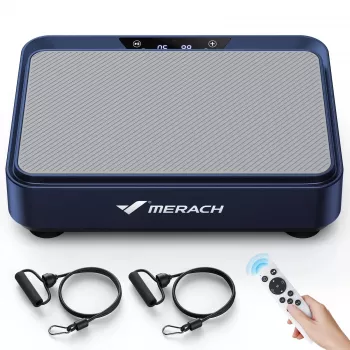
Vibration Plate Routines for Easier Movement, Calmer Evenings, and Everyday Fat Loss Support
A vibration plate can make short, low-impact sessions feel more productive—especially on days when joints feel stiff, energy is low, or workouts need to stay gentle. By adding controlled vibration to simple positions (like an easy stance or a supported squat hold), many people find it easier to loosen up, maintain a movement habit, and wind down in the evening. Below are practical routines for muscle relaxation, calmer nights, and steady calorie-burning support—plus setup tips and safety guidelines.
What a Vibration Plate Does (and What It Doesn’t)
A vibration plate creates rapid oscillations through the platform. When you stand, hold a position, or move slowly on it, your muscles tend to contract and relax repeatedly, which can make basic exercises feel more “switched on” without heavy impact.
- Common uses include warmups, mobility work, light strength holds, circulation support, and cooldown/recovery sessions.
- It works best as a complement to walking, strength training, and supportive nutrition when body composition is the goal.
- It isn’t a medical treatment for chronic pain conditions or sleep disorders; treat it as a comfort and routine-support tool alongside healthy habits.
If stress is part of what tightens your body up, regular movement can help. The Mayo Clinic highlights exercise as a practical way to support stress management: Exercise and stress—get moving to manage stress.
Comfort & Pain-Relief-Oriented Use: Gentle Patterns That Feel Good
For comfort-focused days, the biggest win is keeping sessions short and positions stable. Think “less, but often,” aiming to step off feeling looser rather than fatigued.
- Start with short exposure: 5–10 minutes total for the first week, focusing on comfort rather than intensity.
- Use a slight knee bend and a neutral spine to reduce joint loading; avoid locking your knees.
- Try support stances first: hands on a sturdy surface, one foot on the plate, then switch; progress to both feet when steady.
- Add slow mobility: calf stretch, hamstring hinge, gentle hip shift, and shoulder/upper-back opening.
- After long sitting: 1–2 minutes of easy stance + calf raises can support circulation and reduce stiffness.
Comfort tip: if vibration feels “sharp” in your joints, widen your stance slightly, soften your knees more, and decrease intensity. A small posture change often makes a big difference.
Evening Wind-Down: Using Vibration as a Sleep Aid Routine
A vibration plate can fit into an evening routine as a brief “downshift,” especially when legs feel heavy or restless. Keep intensity low; nighttime is not the time to chase a burn.
- Keep sessions brief so you don’t feel wired before bed.
- A calming template: 2 minutes easy stance + 2 minutes gentle calf raises + 2 minutes supported squat hold + 1 minute slow breathing while standing.
- Pair with lights-down habits: warm shower, reduced screens, and a consistent bedtime window.
- Stop at least 30–60 minutes before trying to sleep if vibration feels energizing; earlier evening may work better.
- If legs feel restless at night, try a short, gentle session earlier in the day and reassess.
For a straightforward baseline, the National Sleep Foundation’s sleep hygiene guidance is a helpful reference point: Sleep hygiene.
Fat-Burning Support: How to Make Short Sessions Add Up
Vibration plate workouts are typically not marathon calorie burners. Their value is how easy they are to repeat—especially when impact needs to stay low—so daily movement stays consistent. For general calorie-burn context across everyday activities, Harvard Health’s estimates can help you keep expectations grounded: Calories burned in 30 minutes.
Beginner 2-Week Plan (Low-Impact, Repeatable)
| Day | Session length | Focus | Notes |
|---|---|---|---|
| Mon | 6–8 min | Comfort + circulation | Easy stance, calf raises, supported squat |
| Wed | 6–8 min | Mobility | Gentle hip hinge and stretch stance |
| Fri | 6–8 min | Comfort + posture | Quarter squat holds; slow breathing |
| Sat/Sun | Optional 5–10 min | Recovery | Keep intensity very light |
| Week 2 (4–5 days) | 10–12 min | Intervals | 40s work / 20s rest; 2 rounds |
Safety Checklist and Who Should Avoid Vibration Plates
Practical Setup Tips for Better Results
Product Spotlight: Simple Tools to Support the Habit
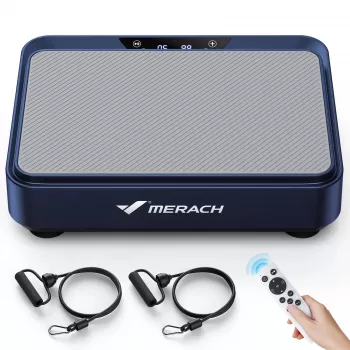
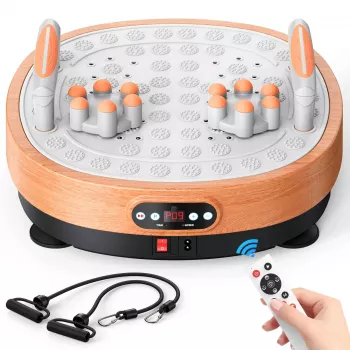
- Vibration Plate Exercise Machine for Pain Relief, Sleep Aid & Fat Burning (in stock) — a compact choice for gentle holds, lower-body activation, and quick interval circuits in 6–12 minutes.
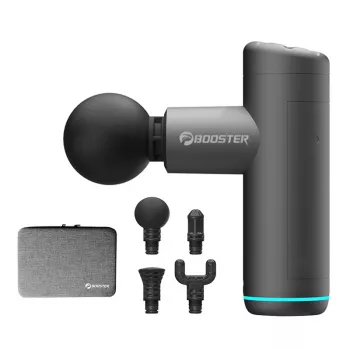
- Muscle Relaxation Toolkit for Total Tension Relief – 3-in-1 Bundle for Deep Muscle Relaxation (in stock) — a helpful add-on for post-session tension relief when you want deeper soft-tissue work.
- Luxury High-Back Recliner Sofa Set (in stock) — for a consistent evening wind-down space, especially if elevating your legs helps you relax after being on your feet.
FAQ
How long should a beginner use a vibration plate each day?
Start with 5–10 minutes total, about 3–4 days per week. If comfort stays high and recovery is easy, build toward 10–15 minutes by adding a few intervals or an extra round.
Can a vibration plate help with sleep?
Some people find gentle evening sessions relaxing, especially when paired with consistent wind-down habits. Keep intensity low and stop 30–60 minutes before bed if you notice it feels energizing.
Does a vibration plate burn fat on its own?
It can support calorie burn and muscle engagement, but meaningful fat loss depends mainly on overall activity and nutrition. Use the plate to make movement easier to repeat and to support recovery so you stay consistent.










Leave a comment