Smart Thrift Shopping: Style, Quality, and Savings
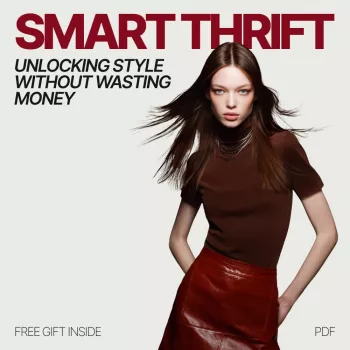
Smart Thrift: Unlocking Style Without Wasting Money
Thrifting can deliver standout personal style and real savings—if the process is intentional. A few simple rules make the difference between a closet full of “almost” and a lineup of pieces that get worn constantly. Use the system below to plan before you go, scan racks faster, judge quality in under a minute, and avoid the money traps that turn a “deal” into clutter.
Build a Simple Thrift Plan Before You Go
Walking into a thrift store without a plan is like grocery shopping hungry: everything looks tempting. Go in with constraints that protect your budget and your closet space.
- Set a spending cap (and consider a “one splurge” rule) so small add-ons don’t snowball at checkout.
- Keep a short list (3–5 items max) based on real gaps—like “black belt,” “wool sweater,” or “straight-leg jeans.”
- Choose a palette and silhouette goal (workwear refresh, weekend basics, statement outerwear) to avoid random one-offs.
- Save your measurements (inseam, rise, chest width, shoulder width) in your phone by measuring garments that already fit well.
- Match the store type to the mission: charity thrift for variety, consignment for curated brands, vintage for era-specific cuts.
- Time it right: early weekday mornings for fresh racks; end-of-season for markdowns.
| Step | What to Decide | Why it Saves Money |
|---|---|---|
| Budget | Hard cap + optional “one splurge” rule | Prevents cart creep and duplicate basics |
| List | 3–5 gaps in the wardrobe | Stops buying “almost right” items |
| Sizing | Your key measurements | Cuts down on returns and tailoring surprises |
| Targets | 2–3 stores max per trip | Avoids fatigue and rushed purchases |
| Care Plan | Laundry/cleaning method for finds | Avoids expensive cleaning mistakes |
Want the full step-by-step system in one place? Keep Smart Thrift: Unlocking Style Without Wasting Money – A Strategic Guide to Thrift Shopping open on your phone while you browse.
Scan Smarter: A Rack-by-Rack Strategy
The goal isn’t to see everything—it’s to spot the best value quickly, then slow down only when something earns a closer look.
- Start with high-impact categories: outerwear, denim, knitwear, shoes, and bags often deliver the best cost-per-wear.
- Use a two-pass method: first pass for fabric/brand cues; second pass for size, details, and condition.
- Move fast with touch tests: feel for weight and drape; check recovery on knits and denim by lightly stretching and releasing.
- Check beyond your usual aisles: men’s for sturdy basics and oversized layers; kids’ for accessories and novelty finds.
- Skip complex rescues unless the fit is rare or the material is truly premium.
Quality Checks That Take Under a Minute
Fast quality checks prevent “cheap” from turning into “why did I buy this?” Use this quick scan before you commit.
- Fabric: prioritize wool, cotton, linen, silk, and durable blends; be cautious with thin, pilled synthetics unless you specifically want that look/performance.
- Construction: look for tight stitching, finished seams, sturdy zippers, even hems, and reinforcement at stress points.
- Fit markers: shoulder seams should align; waistbands should sit flat; rise and inseam should match your saved numbers.
- Damage scan: check underarms, cuffs, hems, seat, knees, and along zipper lines.
- Stretch test: gently tug knit cuffs and waistbands—if they don’t rebound, the piece may be permanently stretched out.
For extra confidence when reading tags, care symbols, and fiber content, the Federal Trade Commission’s care labeling guidance is a helpful reference for how apparel labels are regulated.
Spot Red Flags That Turn “Cheap” Into “Costly”
Some problems are cosmetic and easy; others quietly drain time and money. These are the most common deal-breakers.
- Permanent stains, thinning fabric, moth holes, heat damage—often not worth repair effort or risk.
- Dry-clean-only without clear value: estimate cleaning costs before buying, especially for bulky coats.
- Shoes with crumbling soles or warped insoles: repairs can outpace the purchase price quickly.
- Tailoring traps: avoid major shoulder/armhole alterations; favor hems, waist takes, and strap adjustments.
- Trend-only pieces without a plan: if it can’t pair with at least three items you already own, pass.
Create Outfits, Not a Pile: A Practical Styling Framework
Thrifted style looks elevated when each piece has a job to do. Use a simple framework that forces real-world outfits, not fantasy purchases.
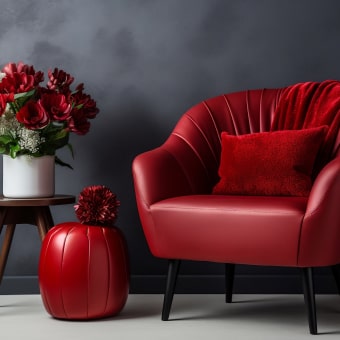
Thrifting isn’t only for clothing. A single, well-chosen home accent can make a room feel curated—consider a piece like the Vintage Resin Vase as a “statement neutral” that plays well with changing decor.
Care, Cleaning, and Small Fixes That Protect the Deal
Thrifting also supports a more circular approach to clothing and household goods—EPA textile waste data provides helpful context on why extending the life of garments matters: United States Environmental Protection Agency (EPA) — Textiles: Material-Specific Data.
A Strategic Guide to Make Thrifting Repeatable
When you’re ready to donate what no longer fits your life, using established donation channels helps keep items in circulation; see Goodwill Industries International — Donating Stuff for practical donation guidance.
FAQ
What are the best items to thrift for quality and value?
Outerwear, denim, wool knitwear, leather goods, and well-made shoes/bags tend to hold up over time and deliver strong cost-per-wear. These categories often use sturdier materials and better construction than fast-fashion basics.
How can thrift shoppers avoid wasting money on impulse buys?
Use a short list, set a firm budget cap, and run the 3-outfit test before buying. A quick lap around the store before checkout helps you drop anything that was only exciting in the moment.
Is it worth tailoring thrifted clothing?
Tailoring is usually worth it for simple changes like hems, waist adjustments, and strap tweaks. Avoid major shoulder or armhole work and large resizing unless the piece is exceptional and the total cost still makes sense.













Leave a comment