Kids BMX Bike With Training Wheels: Fit, Setup & Safety
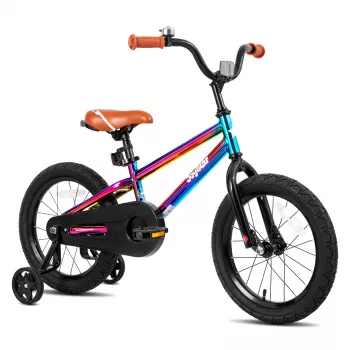
Kids BMX Style Bike with Training Wheels: Confident First Rides With a Freestyle Look
A BMX-inspired kids bike makes early riding practice feel exciting while keeping the experience steady and predictable. The freestyle look can boost motivation, and training wheels provide that extra bit of stability while pedaling, braking, and steering become second nature. Below is a practical guide to choosing a BMX style starter bike, setting it up for smoother learning, and spotting the right time to move beyond training wheels.
What Makes a Kids BMX Style Bike Different
A kids BMX style bike is designed to feel sturdy and “real” without demanding advanced skills right away. Compared to many entry-level bikes, the BMX-inspired approach tends to focus on durability and simple, confidence-building handling.
- Compact, sturdy frame designed for quick handling and an upright, confident riding posture.
- BMX-inspired styling that feels “big-kid” while still staying appropriate for early skill-building.
- Simple, durable components that tolerate bumps, curb transitions, and frequent stop-and-go practice sessions.
- Training wheels add stability so riders can focus on pedaling and steering instead of catching every wobble.
Who Training Wheels Help Most (and When They Don’t)
Training wheels can be a great bridge between “not yet” and “I’ve got this,” but how they’re set up matters as much as having them in the first place.
- Helpful for brand-new riders who need time coordinating pedal strokes, steering corrections, and braking.
- Useful for kids who are eager to ride outside but still developing confidence with balance and starting/stopping.
- Less helpful if training wheels are set too low, creating a “tip-to-tip” rocking motion that can slow real balance progress.
- Some children do better starting on a balance bike first; others prefer the immediate independence of pedaling with training wheels.
If the bike constantly “clunks” from one training wheel to the other during straight riding, raise them slightly so the tires only touch when the bike begins to tip. That small change can help kids start learning balance without losing the safety net.
Fit and Sizing: The Quick Checks That Matter Most
For beginner riders, fit is about control, not “growing room.” A bike that’s too big is harder to start, harder to stop, and more likely to create nervous, twitchy steering.
- Standover clearance: there should be comfortable space between the top tube and the child when standing flat-footed.
- Seat height: set so the rider can place the balls of both feet down while seated during early practice.
- Handlebar reach: elbows slightly bent and shoulders relaxed; avoid a stretched posture that makes steering twitchy.
- Brake access: child should be able to reach and squeeze the brake lever smoothly without straining.
- If between sizes, prioritize control and confidence over “growing into it.”
Fast Fit Checklist for First Rides
| Fit Point | What to Look For | Why It Helps |
|---|---|---|
| Standover | Comfortable clearance when standing | Safer stops and easier starts |
| Seat height | Balls of feet touch while seated (beginner stage) | Builds confidence and reduces tip-overs |
| Handlebar reach | Relaxed shoulders, slight elbow bend | Better steering control and comfort |
| Brake lever reach | Easy squeeze with small hands | Shorter stopping distance and fewer panicked stops |
| Training wheel height | Slightly off the ground when bike is upright | Encourages gradual balance while still preventing falls |
Key Features to Look For in a BMX Style Starter Bike
New riders benefit from a bike that feels predictable, forgives imperfect steering, and holds up to daily practice. Focus on the details that reduce frustration and keep sessions fun.
- Sturdy frame build: holds up to learning bumps and frequent drops onto the kickstand area.
- Stable geometry: predictable steering that won’t surprise new riders when they turn.
- Reliable braking: consistent stopping power; teach “slow, stop, feet down” early.
- Grippy tires: better traction on sidewalks, packed paths, and playground asphalt.
- Comfort touchpoints: saddle and grips that reduce hand fatigue and keep attention on learning.
Setup Tips for Smoother Learning
A careful setup can turn a wobbly first day into a much more confident first week. Plan a quick check before the first ride and a follow-up after a few practice sessions.
Safety Essentials for Neighborhood Riding
For additional safety guidance, review recommendations from the Consumer Product Safety Commission and the American Academy of Pediatrics.
How to Know When It’s Time to Remove Training Wheels
Featured Pick: Kids BMX Style Bike with Training Wheels
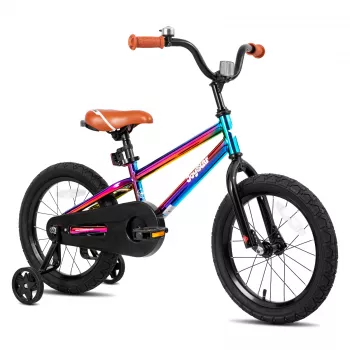
If you want a starter bike that feels like a freestyle ride while staying beginner-friendly, the Kids BMX Style Bike with Training Wheels is a practical option for driveway laps, neighborhood cruising, and park paths.
More In-Stock Finds for Post-Ride Comfort and Home
- Muscle Relaxation Toolkit for Total Tension Relief – 3-in-1 Bundle for Deep Muscle Relaxation
- Vintage Resin Vase
FAQ
How tight should training wheels be set on a kids bike?
They should be firmly attached with no wobble, and adjusted so the bike sits close to upright. Ideally, the training wheels sit slightly off the ground when the bike is perfectly vertical, so they catch tipping without constantly propping the bike up.
When should a child switch from training wheels to riding without them?
Make the switch when starts, gentle turns, and stops look controlled and the child isn’t relying on the wheels to stay upright in every turn. Raising the training wheels gradually over a few sessions often makes the transition smoother.
What’s the safest way to size a kids bike for a beginner rider?
Prioritize control: comfortable standover clearance, the ability to touch down with feet during early learning, and easy reach to brakes and handlebars. A bike that’s too big can delay progress and increase tip-overs.












Leave a comment