Hydrogen Inhalation Machine at Home: Features & Safety
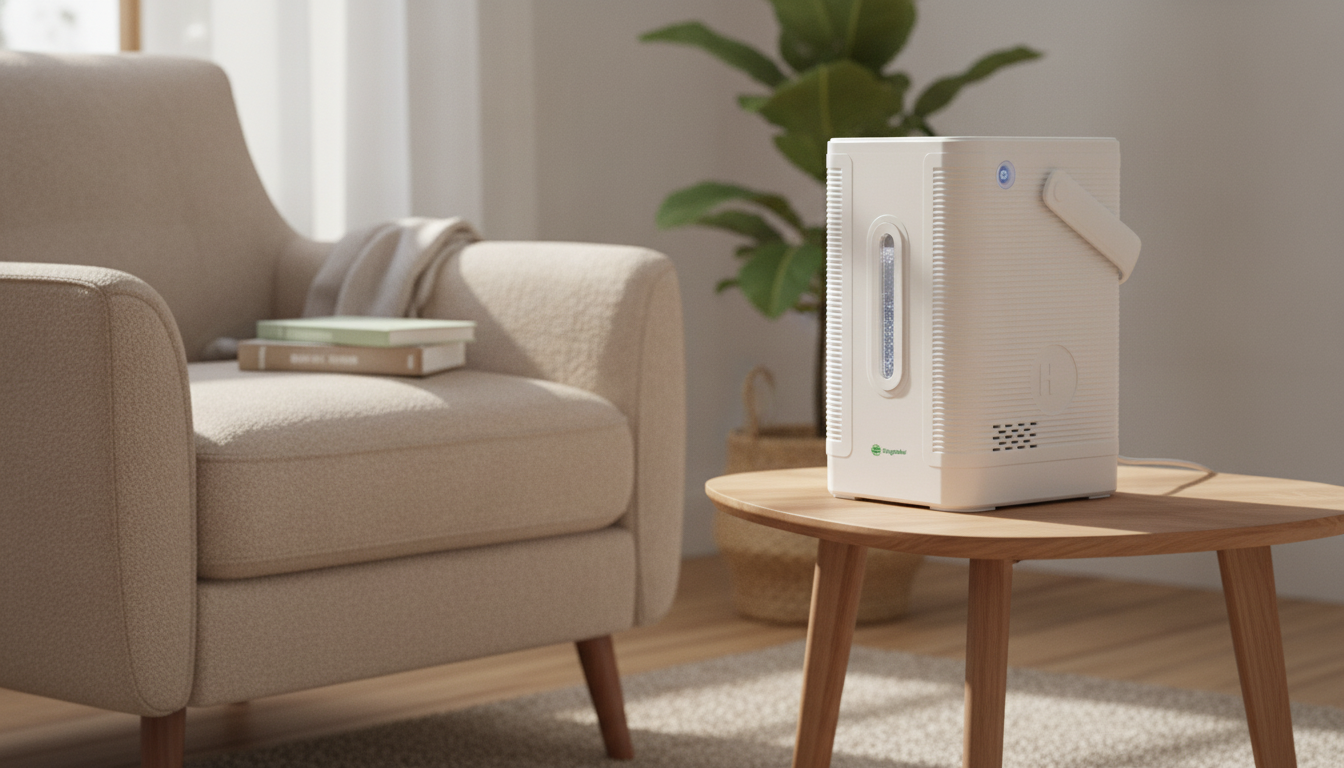
Hydrogen Inhalation Machine: Practical Guide to Features, Use, and Safety at Home
Hydrogen inhalation machines are designed to generate a controlled flow of hydrogen gas (often via water electrolysis) for breathing through a cannula or mask. A good home setup depends less on chasing the highest output and more on steady operation, sensible routines, and strict attention to ventilation and ignition-source rules. Below is a practical breakdown of how these devices typically work, what to compare before buying, and the maintenance and safety habits that matter most in everyday use.
What a Hydrogen Inhalation Machine Does
A hydrogen inhalation machine converts water into hydrogen gas and delivers it through tubing to a nasal cannula or mask. Typical components include a main unit, a water reservoir, filtration or moisture-management parts, flow controls, and an outlet port for the breathing interface.
Many people use these devices as part of a wellness routine—often for relaxation or recovery-focused breathing sessions. Research into potential applications of molecular hydrogen is ongoing, and evidence for specific outcomes varies by condition and study design. For a broad view of current research activity, see the NIH’s PubMed search results for hydrogen inhalation studies: https://pubmed.ncbi.nlm.nih.gov/?term=molecular+hydrogen+inhalation.
How Hydrogen Generation and Delivery Typically Works
Most home units use electrolysis to split water into hydrogen and oxygen. Depending on design, oxygen may be vented separately or managed as part of a mixed gas output. From there, the machine aims to deliver a consistent, comfortable flow while reducing moisture carryover and protecting the system from backflow.
- Moisture control: Water seals or moisture traps help prevent droplets from traveling into tubing.
- Airflow protection: Filters and check valves help keep delivery cleaner and reduce backflow risk.
- Stable flow: Adjustable flow settings support comfort; a steady output is typically more useful than pushing maximum settings.
- Status monitoring: Some units add indicators or alerts for water level, temperature, or operating state.
Benefits People Commonly Seek (and How to Set Expectations)
Most at-home users treat hydrogen inhalation as a structured breathing session: a set time, a consistent setup, and a calm environment. That structure alone can help reinforce a wind-down routine, especially when paired with gentle breathing and a predictable schedule.
Hydrogen is also being studied as a signaling molecule with antioxidant-related effects, but outcomes are not universal and can differ depending on how hydrogen is delivered and what’s being measured. The safest framing is as a wellness tool that may complement healthy habits—not a replacement for medical care, diagnosis, or urgent symptom management.
A simple way to judge whether the routine is worthwhile is to track basics for two to three weeks: session length, comfort, perceived stress, sleep notes, and exercise recovery observations. If nothing changes, adjust the routine (not the rules) by focusing on consistency, calmer breathing, and a comfortable flow.
Safety Considerations for Home Use
Hydrogen gas is flammable, so safe home use is about controlling the environment and following the manufacturer’s directions precisely. The CDC’s safety profile for hydrogen is a helpful reference for hazards and handling considerations: https://www.cdc.gov/niosh/npg/npgd0335.html.
Key Features to Compare Before Buying
Quick Comparison Checklist for Hydrogen Inhalation Machines
| Item to Check | Why It Matters | What to Look For |
|---|---|---|
| Flow adjustment | Comfort and consistency across sessions | Multiple flow levels, stable output, easy-to-read control |
| Water handling | Reliable operation and less scaling | Simple reservoir access, water-level indicator, guidance on water type |
| Moisture trap / water seal | Reduces water carryover into tubing | Visible trap, easy drain/clean process |
| Filters and backflow protection | Cleaner delivery and safer operation | Replaceable filters, check valve or similar protection |
| Timer and auto-shutoff | Prevents overlong runs and supports routines | Programmable timer, auto stop, clear status indicators |
| Operating environment | Minimizes flammability and overheating risks | Ventilation guidance, heat management, stable placement requirements |
Setup and Daily Use Routine
Cleaning, Maintenance, and Part Replacement
Who This Type of Device May Fit Best
Common Issues and Simple Troubleshooting
Product Options Available Now
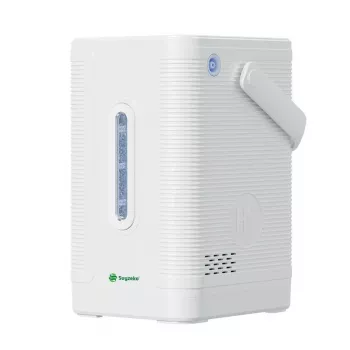
- Hydrogen Inhalation Machine: A dedicated unit for hydrogen generation and inhalation delivery, suited for building a consistent at-home routine.
- Muscle Relaxation Toolkit for Total Tension Relief – 3-in-1 Bundle for Deep Muscle Relaxation: A complementary option for post-session comfort and relaxation-focused routines.
- Luxury High-Back Recliner Sofa Set: A supportive seating upgrade for longer, more comfortable breathing sessions in a well-ventilated space.
FAQ
Is hydrogen inhalation safe to do at home?
It can be used at home only with strict ventilation and by keeping the machine away from flames, smoking, stoves, heaters, and spark sources. Follow the manufacturer’s instructions for placement and run time, and consult a clinician if you have medical conditions or use oxygen therapy; stop immediately if unusual symptoms occur.
How long should a typical session be?
Start with shorter sessions at a comfortable flow and use the device’s timer to keep the duration consistent. Increase gradually only if you tolerate it well and your device manual supports longer run times.
Do I need distilled water for a hydrogen inhalation machine?
Many machines recommend distilled water to reduce mineral buildup and electrode scaling, which can affect performance and maintenance frequency. Always follow your unit’s manual and keep to the suggested descaling schedule.














Leave a comment