35,000 RPM Cordless Nail Drill Guide: Bits, RPM & Safety
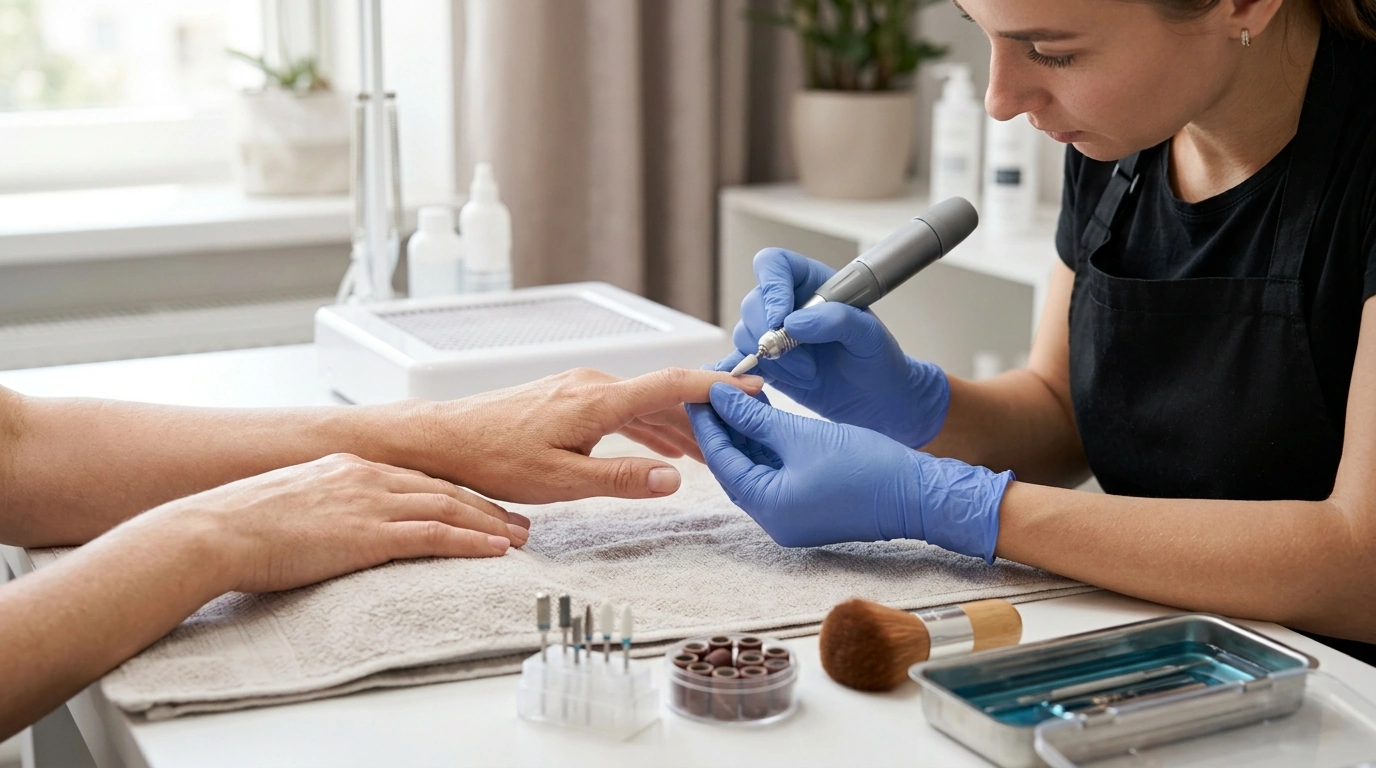
Rechargeable Electric Nail Drill 35,000RPM Cordless E File for Manicure and Pedicure
A cordless e file can speed up prep, shaping, and product removal while giving more control than manual tools—especially when the handpiece is comfortable, the RPM range is adjustable, and the battery lasts through a full set. This guide breaks down what 35,000 RPM means in real use, how to choose the right bit for each step, and how to work safely on natural nails, gel, and acrylic.
What a cordless 35,000 RPM nail drill is used for
A 35,000 RPM cordless nail drill isn’t meant to run at top speed all the time. The benefit is headroom: enough power for tougher steps (like reducing acrylic bulk) while still letting you dial down for delicate detailing.
- Cuticle and sidewall cleanup: controlled detailing around the proximal fold and lateral nail folds with small, fine bits
- Surface prep: removing shine, smoothing ridges, and blending product near the cuticle area
- Product refinement: shaping apex and sidewalls for gel or acrylic enhancements
- Removal: reducing bulk of gel, builder gel, poly gel, or acrylic before soaking (when applicable)
- Pedicure work: smoothing callused areas with appropriate sanding bands or foot-specific bits (used carefully and hygienically)
Key features to look for in day-to-day use
- Adjustable RPM with stable torque: helps prevent stalling when refining thicker product
- Forward/reverse rotation: useful for right- and left-handed operation and switching sides of the nail
- Comfortable handpiece: lower vibration and balanced grip reduces fatigue during longer sessions
- Bit compatibility: common shank sizes (often 3/32 in) make it easier to replace or upgrade bits
- Simple controls and clear display: quick RPM changes help match speed to each step
RPM ranges and what they’re best for
RPM is only one part of the “safe filing” equation. Heat and damage usually come from a combination of speed, pressure, angle, and staying in one spot too long. A smart workflow uses lower speeds on natural nails, moderate speeds to refine gels, and higher speeds mainly for reducing bulk on enhancements.
- Low speeds for natural nails: reduces heat and lowers the risk of over-filing
- Medium speeds for refining gel and builder gel: helps smooth product without chatter
- Higher speeds for bulk reduction on enhancements: shortens removal time when paired with the right carbide/ceramic bit
- Heat management matters: speed, pressure, and bit type together determine friction and heat
- Better results: come from light pressure and consistent movement rather than pressing harder
Practical RPM guide by task
| Task | Suggested RPM range | Recommended bit type | Notes |
|---|---|---|---|
| Natural nail prep (remove shine) | 3,000–8,000 | Fine sanding band or fine diamond | Use minimal pressure; keep moving to avoid heat |
| Cuticle/sidewall detailing | 5,000–12,000 | Small diamond/flame/ball (fine) | Work at a shallow angle; avoid digging into skin |
| Gel polish removal (thin layers) | 8,000–15,000 | Medium sanding band or ceramic | Reduce bulk first; finish gently near natural nail |
| Builder gel/polygel refining | 12,000–20,000 | Ceramic or carbide (fine/medium) | Feather near cuticle; do not contact bare nail at high RPM |
| Acrylic bulk reduction | 18,000–30,000 | Carbide (medium/coarse) | Short passes; lighten pressure as product thins |
Cordless power: battery, portability, and control
Going cordless changes how the drill feels in the hand. With no cable tugging your wrist, it’s easier to keep a steady, shallow angle—especially when working around the dominant hand or turning the finger for sidewall access.
- Why cordless helps: fewer snags and better maneuvering around the client’s hand or your own
- Battery expectations: run time depends on RPM, torque demand, and how often the drill is started/stopped
- Charging habits: topping up between sessions and avoiding full depletion can help long-term battery health
- Portability: useful for travel kits, mobile techs, or small spaces without a dedicated nail station
- Control features: quick-access speed changes and a reliable pause/stop function improve safety
Bits and sanding bands: matching the tool to the job
A good drill performs best when paired with the right bit. If you’re building an at-home kit, start with safer, finer options and add more aggressive bits only when you’re comfortable controlling angle and pressure.
Safe technique to reduce heat and prevent thinning the natural nail
For hygiene basics in any setting, follow authoritative guidance like the CDC hand hygiene recommendations and general safety practices referenced by agencies such as the U.S. Food & Drug Administration (FDA) and OSHA.
Step-by-step: a clean manicure and pedicure workflow with an e file
Care, cleaning, and storage
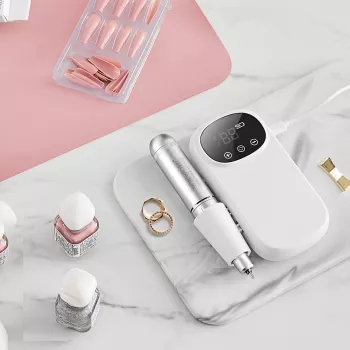
Product spotlight: Rechargeable Electric Nail Drill 35,000RPM Cordless E File
Shop the featured tool here:
Rechargeable Electric Nail Drill 35,000RPM Cordless E File for Manicure Pedicure.
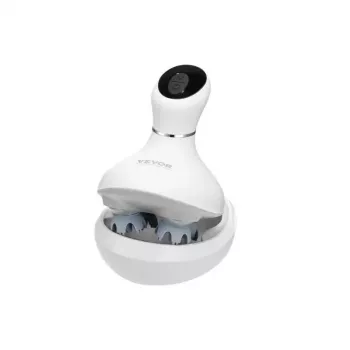
For longer sessions, hand and forearm comfort matters too. If you’re building a self-care routine after detailed work, consider adding a recovery option like the Muscle Relaxation Toolkit for Total Tension Relief – 3-in-1 Bundle for Deep Muscle Relaxation.
FAQ
Is 35,000 RPM too fast for natural nails?
No—because RPM is adjustable. Natural nails are typically worked at low-to-mid speeds with fine bits, light pressure, and constant movement; the highest RPM is mainly for bulk reduction on enhancements, not bare nail contact.
Which bit should be used to remove gel polish without damaging the nail?
Start with a medium sanding band or a ceramic bit to reduce bulk, then switch to a finer grit and lower RPM as you approach the natural nail. If you’re unsure, stop at a thin base layer and finish with gentle buffing or soak-off.
Why does an e file feel hot during removal?
Heat usually comes from friction: too much pressure, staying in one spot, a dull bit, or using a higher RPM than the step calls for. Lighten pressure, keep moving, reduce speed, change the bit, and take short breaks to let the nail cool.













Leave a comment