11-Pot Multi-Tier Plant Stand: Style a Vertical Garden
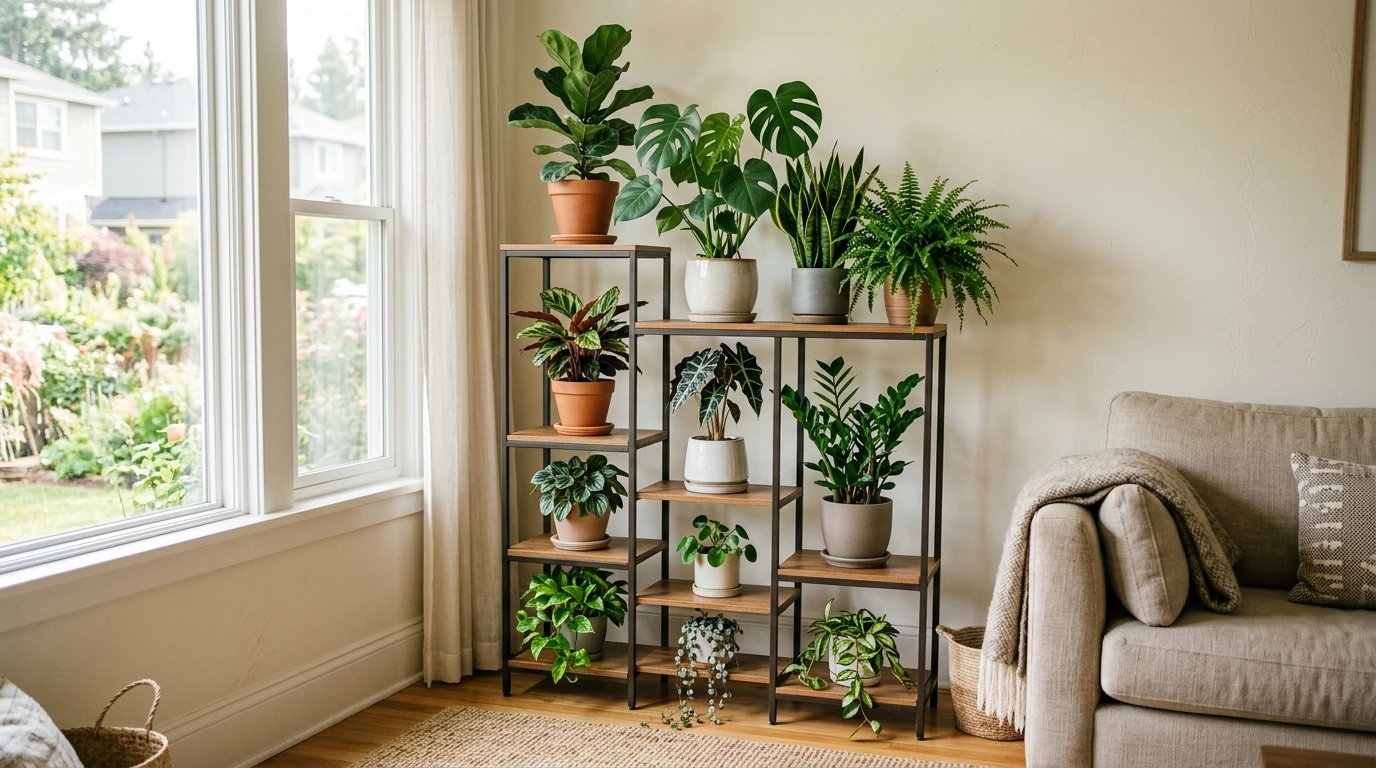
Multi-Tiered Plant Stand for Indoor Living: 11 Pots, One Vertical Garden
When floor space is limited but the plant list keeps growing, a tall, multi-tiered stand is the simplest upgrade: it lifts greenery into better light, clears crowded sills, and turns scattered pots into a cohesive corner. Our 11-pot metal-and-wood rack is designed to build height without feeling bulky—so a small collection can look intentional, and a big collection can finally fit.
What a tall, multi-tiered stand solves (beyond “more space”)
A vertical plant rack doesn’t just “hold more pots.” It changes how your room functions and how your plants behave.
- Creates vertical “plant real estate” so windowsills and tabletops stay usable.
- Helps plants share light: upper tiers catch brighter light, lower tiers work for shade-tolerant varieties.
- Makes watering and rotation easier because pots are organized in one zone instead of spread across the room.
- Adds structure to a plant corner: a single stand can visually anchor a sofa end, entry nook, or dining corner.
If you’re also aiming for a healthier indoor environment, it helps to keep plant care consistent (regular dusting, pruning, and avoiding overwatering). For broader indoor air considerations, the U.S. EPA’s Indoor Air Quality guidance is a solid reference point, and the Royal Horticultural Society’s houseplant guidance is a reliable refresher on everyday plant needs.
Plan the placement: light, traffic flow, and everyday convenience
Where you put a tall stand matters as much as what you put on it. Our team recommends choosing a spot that supports daily routines—because the easier it is to water and rotate, the better your plants will do.
- Pick the “bright side” of the room first. A plant stand works best when it’s within reach of natural light, not tucked deep into a dim corner.
- Leave a small buffer for movement. A tall rack looks best when it isn’t constantly bumped—place it where people don’t cut through the space.
- Keep watering in mind: choose a spot with an easy path to the sink, watering can, or a nearby tray setup.
- If the stand will sit near a vent or heater, reserve the closest tier for hardy plants (or decor) and keep sensitive foliage slightly farther away.
Simple placement guide for a tall indoor plant rack
| Location idea | Why it works | Quick tip |
|---|---|---|
| Beside a bright window | Maximizes light across tiers | Rotate pots weekly for even growth |
| Living room corner | Turns unused space into a focal point | Add a small floor mat or tray under the stand for drips |
| Entryway with indirect light | Greenery softens first impressions | Choose tougher plants that handle temperature swings |
| Dining area edge | Adds height without taking table space | Keep fragrant blooms higher to enjoy the scent |
Why metal + wood feels right indoors
Material mix is part of what makes a plant corner feel “designed” instead of accidental. A metal frame reads clean and structured, while wood-toned shelves bring warmth that blends with everyday furniture.
- A mixed material rack brings balance: metal provides a clean frame, while wood-toned shelves keep the look warm and home-friendly.
- Tiered shelves help separate plant shapes—trailing vines can spill from higher levels while compact plants stay neat below.
- The vertical form makes it easier to build a “layered” look: foliage textures at eye level, statement leaves higher up, and smaller accents down low.
Set up your 11 pots like a designer (without overthinking it)
Eleven pots can look curated—or chaotic. The difference is a simple plan: vary plant “habits,” repeat a few pot finishes, and give each tier a role.
Tier-by-tier planting ideas (easy mix-and-match)
| Tier role | Best plant habits | Style notes |
|---|---|---|
| Top tiers | Upright or sun-loving plants | Use one “hero” plant for height and drama |
| Middle tiers | Bushy foliage and bloomers | Balance colors: one patterned leaf + one solid green |
| Lower tiers | Shade-tolerant plants, heavier pots | Anchor the look; keep it tidy and grounded |
| Edge tiers | Trailing vines | Let vines drape to add softness and movement |
Care, protection, and stability: keep it beautiful and low-stress
A quick setup checklist for a polished plant corner
| Step | What to do | Result |
|---|---|---|
| 1 | Place heaviest pots on lower tiers | Stable base |
| 2 | Put brightest-light plants higher | Healthier growth |
| 3 | Add trailing plants on edges | Softer silhouette |
| 4 | Leave small gaps between foliage | Cleaner look, easier care |
In-stock picks our team loves for this setup
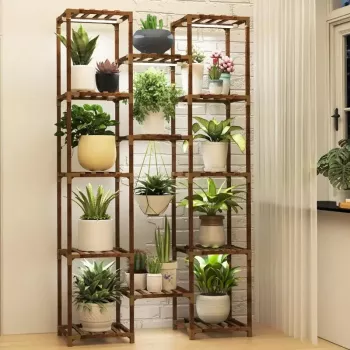
- Multi-Tiered Plant Stand – 11 Pot Indoor Flower Shelf, Tall Metal & Wood Rack
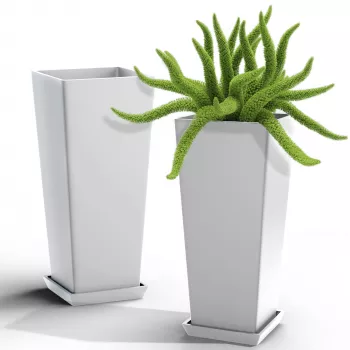
- Vintage Resin Vase
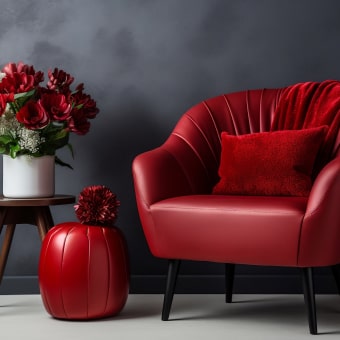
- Luxury High-Back Recliner Sofa Set
FAQ
How do 11 pots stay looking organized instead of crowded?
Repeat two or three pot finishes, mix plant heights and leaf shapes, and leave small breathing gaps between tiers so foliage doesn’t stack tightly. Group plants by similar watering needs, then add one or two trailing plants to soften edges without creating clutter.
Where should a tall indoor plant stand go for the best light?
Place it near your brightest window area where most tiers receive strong indirect light. Assign higher tiers to higher-light plants and rotate pots weekly so each plant grows evenly instead of leaning toward the window.
How can shelves be protected from water marks and soil mess?
Use saucers or clear liners under every pot, and wipe shelves shortly after watering to prevent mineral rings from drying in place. Well-draining pots reduce overflow, and a quick weekly wipe-down keeps soil crumbs and leaf debris from building up.










Leave a comment