The 2026 Fabric Forecast: Materials, Texture & Color
What is trending in fabrics in 2026?
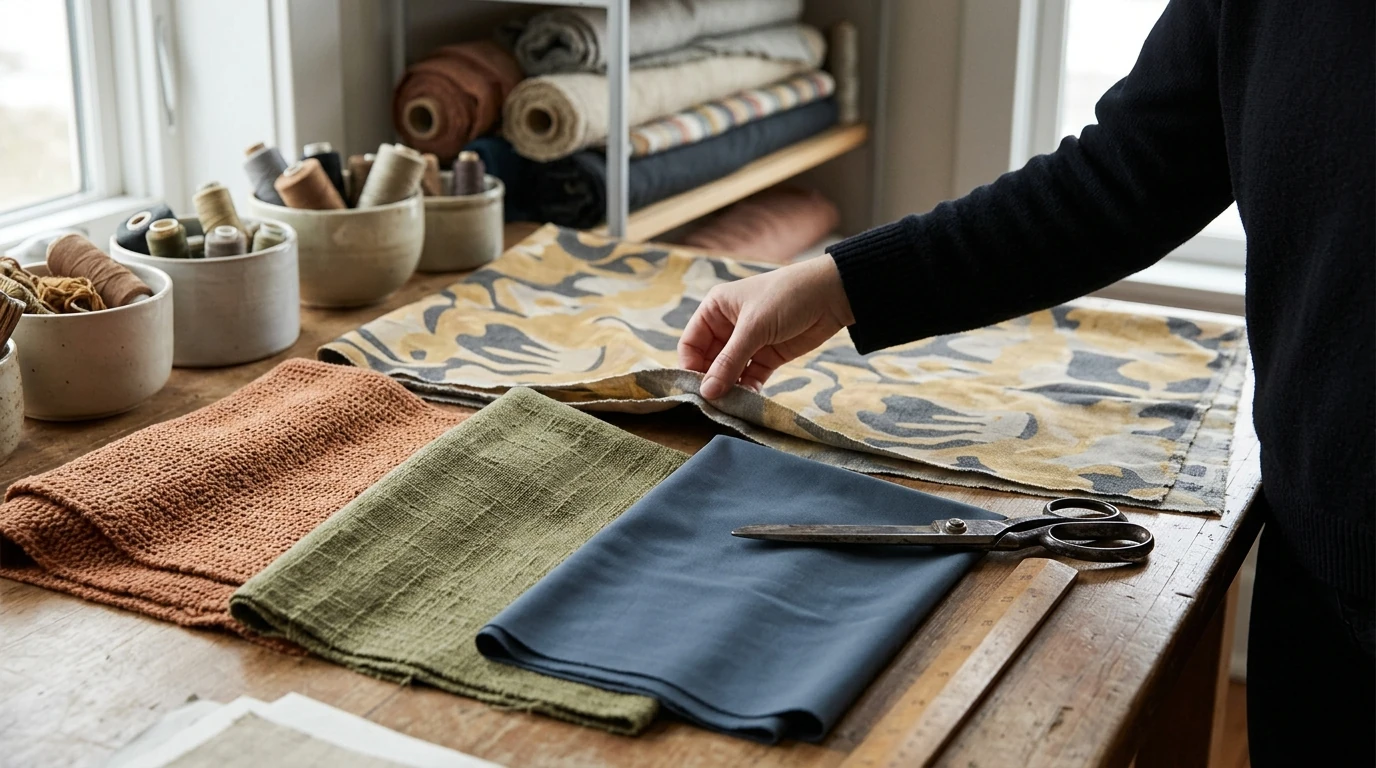
Fabric trends for 2026 are moving toward materials that feel distinctive, wear well, and reflect greater attention to how textiles are made. Expect natural fibers, recycled and lower-impact materials, rich surface texture, and versatile performance fabrics to influence both apparel and interiors. Rather than one dominant look, the season favors thoughtful combinations of comfort, character, and function.
Which materials and textures are gaining attention?
Linen, cotton, hemp, and wool remain appealing for their familiar feel and adaptable uses. Designers are also exploring recycled fibers and bio-based alternatives, though availability and performance vary by supplier. Check material composition and care details before specifying a fabric; sustainability claims can mean different things, so look for clear documentation.
Texture is another defining direction. Slubbed yarns, brushed surfaces, soft bouclé, open weaves, and subtle quilting add depth without relying on bold prints. Sheer and lightweight fabrics can bring movement to layered looks, while heavier woven cloths offer structure and a tactile, long-lasting feel.
What colors and patterns suit the 2026 fabric mood?
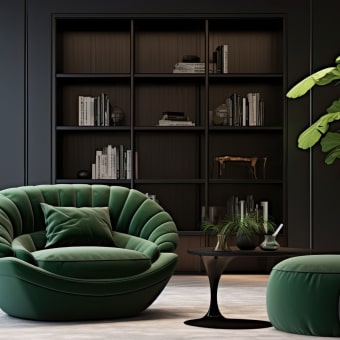
Expect grounded shades such as warm neutrals, earthy greens, and mineral-inspired tones to sit alongside more expressive accents. Tonal combinations let texture take the lead, while carefully placed color adds energy. In prints, organic shapes, softened stripes, and nature-influenced motifs offer visual interest without overwhelming a room or outfit.
These are broad directions, not strict rules. A fabric’s color can shift with lighting, surrounding materials, and finish, so review a physical swatch before making a final selection.
How can you use these trends in a project?
Start with the use case: consider comfort, durability, cleaning, drape, and exposure to sunlight. Then pair one standout texture or pattern with quieter materials to create balance. For upholstery or high-traffic settings, prioritize tested performance; for garments, assess how the fabric moves and feels against the skin. Ordering samples helps confirm that the color and hand match your plans.
For a season-by-season planning approach, see the seasonal fabric forecast checklist for designers and stylists.
FAQ
How can you make a fabric choice feel timeless?
Choose a durable material in a color that works with your existing palette, then add trend-forward details through smaller accents. Check care needs and order a swatch before committing.









Leave a comment