Coffee Brewing Methods Explained: Pour-Over to Espresso
What are the main coffee brewing methods?
The main coffee brewing methods fall into a few core styles, each changing flavor, body, and clarity by controlling contact time, filtration, pressure, and temperature. Choosing a method is less about “best” and more about matching what you like in the cup—bright and clean, rich and heavy, or bold and intense.
Pour-over (drip by hand)
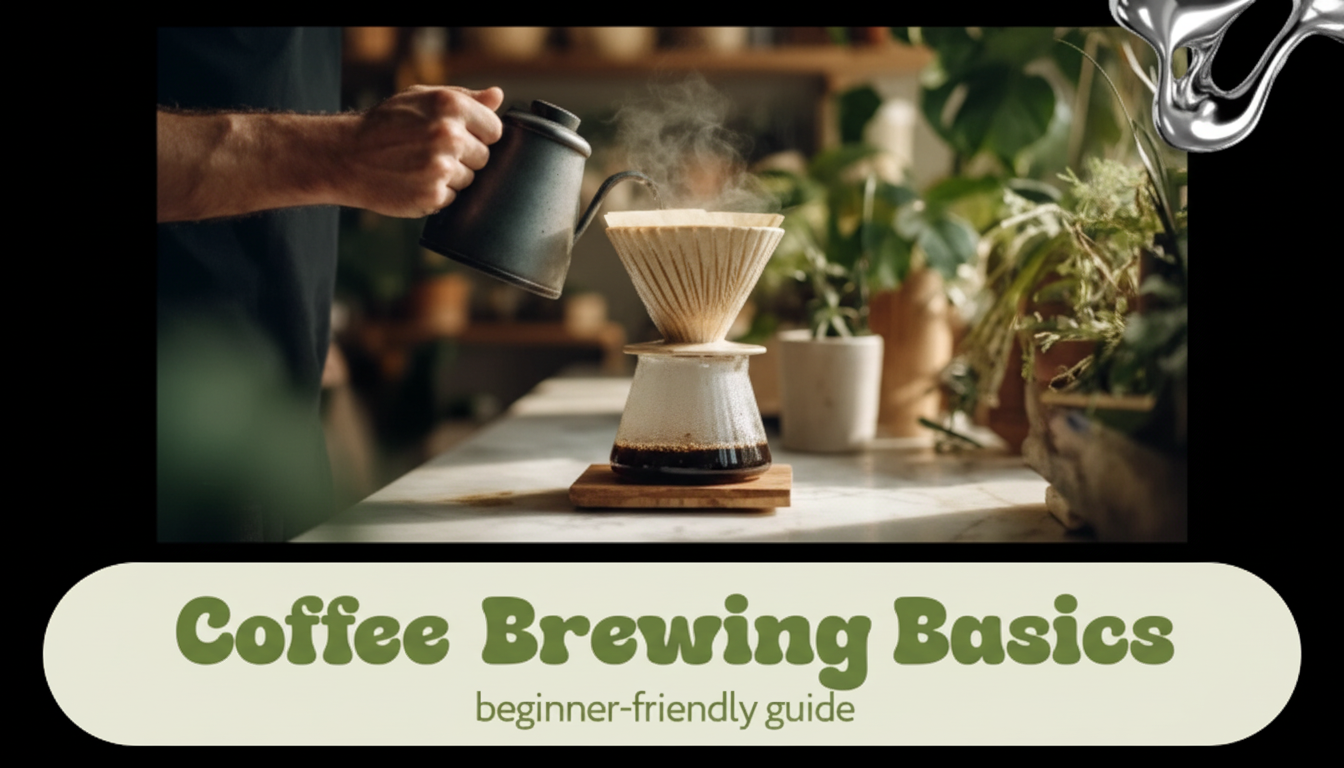
Pour-over methods like V60, Chemex, and Kalita use a paper (or sometimes metal) filter and a steady pour of hot water over grounds. The result is usually a clean, aromatic cup with crisp acidity and clear flavor notes, especially with lighter roasts.
Automatic drip coffee maker
Batch brewers automate the same basic idea as pour-over: hot water moves through a bed of coffee and a filter into a carafe. They’re convenient for multiple cups and can produce excellent coffee when the ratio, grind, and water temperature are dialed in.
French press (immersion)
French press steeps coffee grounds directly in hot water before plunging a metal filter. Because more oils and fine particles make it into the cup, it tends to taste fuller-bodied and more robust, with a heavier mouthfeel.
AeroPress (hybrid)
AeroPress combines immersion with gentle pressure. It’s fast, forgiving, and versatile—capable of producing anything from a clean, filter-like brew to a more concentrated, espresso-style cup depending on recipe and grind.
Espresso (pressure)
Espresso forces hot water through finely ground coffee under high pressure, creating a concentrated shot with a creamy crema. It’s the foundation for lattes, cappuccinos, and Americanos, and it’s highly sensitive to grind size and dose.
Cold brew
Cold brew steeps coarse grounds in cold or room-temperature water for many hours, then filters. It’s typically smooth, lower in perceived acidity, and often served as a concentrate diluted with water or milk.
For practical guidance on dialing in ratios, grind size, and small tweaks that make any method taste better, visit the full guide: Coffee brewing basics, ratios, and grind tips.
FAQ
What grind size should I use for different brewing methods?
Use coarse for French press and cold brew, medium for drip machines, medium-fine for pour-over, fine for AeroPress (often), and very fine for espresso. Adjust slightly finer for faster brews and slightly coarser if the cup tastes bitter or over-extracted.














Leave a comment