Calm Your Child’s Nervous System Before Bed (Fast)
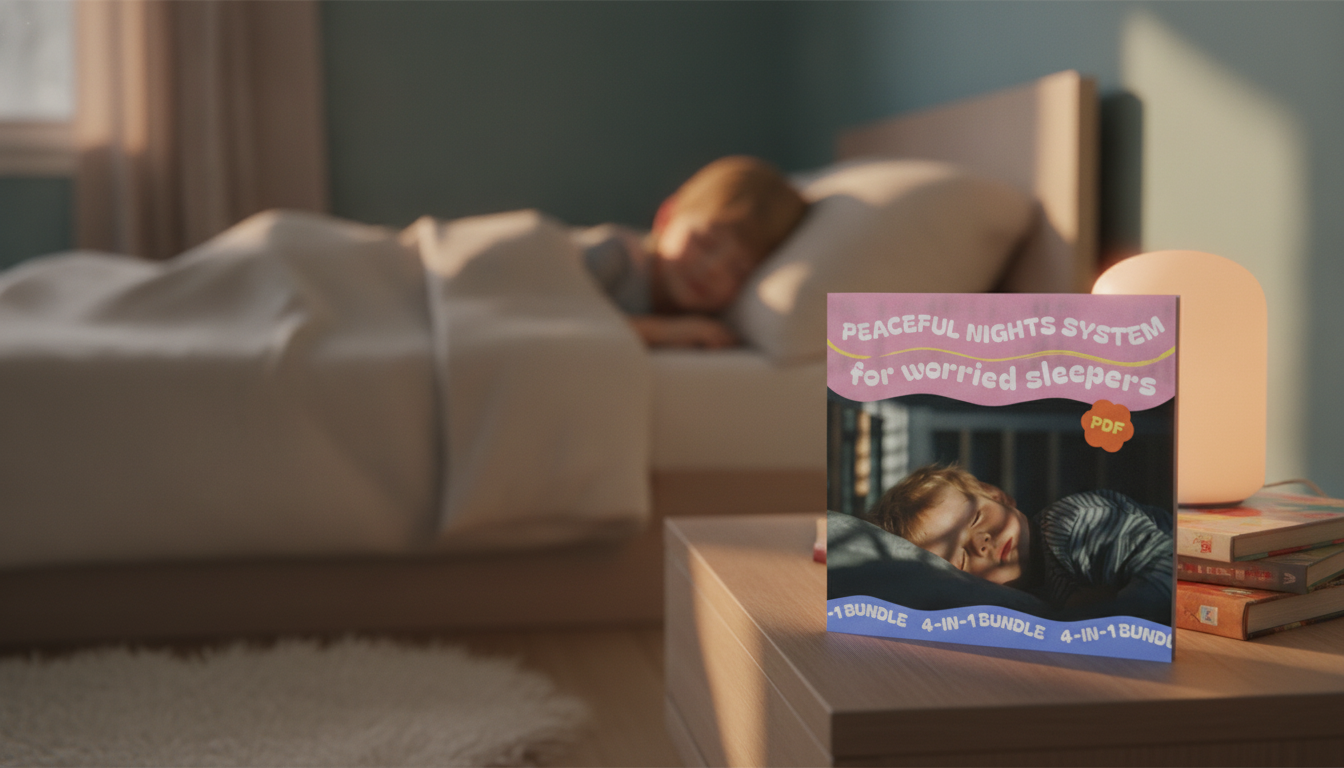
How to calm a child’s nervous system before bed?
A child’s nervous system settles best with a predictable, low-stimulation wind-down that signals “safe and sleepy.” Aim for the same sequence nightly, keep the environment dim and quiet, and focus on slow breathing and gentle body cues that shift from alert mode to rest mode.
Start with a steady, screen-free runway
About 45–60 minutes before lights out, lower the household energy: dim lights, turn off fast-paced media, and move to calm activities (coloring, puzzles, reading). Screens and bright lighting can keep the brain in “daytime” mode, so swapping them for warm light and quiet helps the body release sleep-ready signals.
Use calming sensory inputs
Many kids regulate through simple, soothing sensations. Try a warm bath or shower, cozy pajamas, and a consistent sleep environment (cool, dark, and quiet). If your child likes it, gentle pressure—like a snug blanket or a firm tuck-in—can feel organizing and comforting.
Do a short body reset: breathing + progressive relaxation
Keep it simple and playful. Try “smell the flower, blow the candle” breathing: inhale through the nose for 3–4 seconds, exhale slowly for 5–6 seconds, repeated 5 times. Then do a quick body scan: squeeze fists for two seconds, release; shrug shoulders, release; scrunch toes, release. This teaches the body the difference between tense and relaxed.
Help worries land somewhere other than the pillow
If your child gets stuck on anxious thoughts, set a two-minute “worry check-in” earlier in the routine. Write down concerns or draw them, then choose one small plan (or a “we’ll talk tomorrow” note). Ending with a comforting script—“You’re safe, your body can rest, I’m nearby”—adds predictability when emotions run high.
For a longer, step-by-step bedtime plan (including routines for worried kids), see the full guide here: calm bedtimes for worried kids.
FAQ
What should I do if my child wakes up anxious at night?
Keep interactions calm and brief: a sip of water, a quick reassurance, and the same soothing cue (breath, phrase, or song) each time. Avoid long talks or bright lights so the brain doesn’t “wake up” fully.
















Leave a comment