Muscle Relaxation Practice: Simple PMR Routine
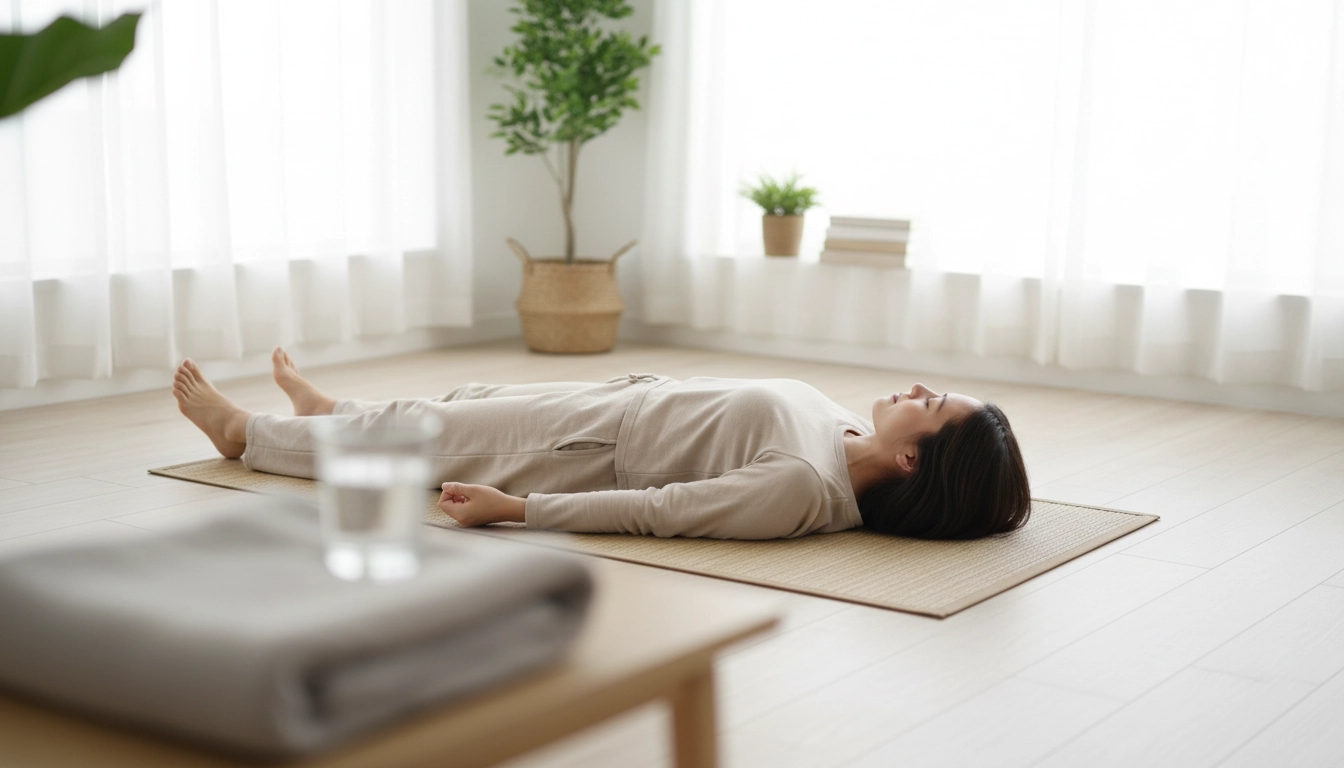
How do you practice muscle relaxation?
Muscle relaxation works best when it’s done on purpose, in a quiet moment, and repeated often enough that your body learns the “off switch” for tension. A practical way to start is progressive muscle relaxation (PMR): you tighten a muscle group briefly, then let it go fully, moving through the body in a steady order.
Step-by-step: a simple muscle relaxation routine
Find a comfortable position (sitting or lying down) and take 3 slow breaths, letting your exhale be slightly longer than your inhale. Then follow this sequence, tensing each area for about 5 seconds and relaxing for 15–20 seconds:
1) Hands and forearms: make fists, then release and let your fingers soften.
2) Upper arms: gently flex, then let the arms feel heavy.
3) Shoulders: lift toward ears, then drop them away from your neck.
4) Face/jaw: scrunch lightly, then unclench the jaw and smooth the forehead.
5) Chest and upper back: inhale to firm the chest, then exhale and let it melt.
6) Belly: tighten the abdomen, then relax and allow natural breathing.
7) Glutes: squeeze, then release.
8) Thighs: press legs gently, then soften.
9) Calves: point toes or tighten calves, then let them loosen.
10) Feet: curl toes, then let them spread and rest.
Make the relaxation “stick”
Keep the tension phase mild (never painful), and focus on the contrast between “on” and “off.” If your mind wanders, return attention to the feeling of warmth, heaviness, or ease in the relaxed area. Many people get better results by pairing PMR with a calming cue—like slow nasal breathing or a consistent bedtime routine.
Go deeper with a guided toolkit
If you want a more structured approach—especially for full-body tension relief—use a guided plan that combines multiple methods. See the complete guide here: 3-in-1 Muscle Relaxation Toolkit: Total Tension Relief.
FAQ
What is the difference between stretching and muscle relaxation?
Stretching lengthens muscles to improve mobility, while muscle relaxation trains your nervous system to release unnecessary tension. They can complement each other, but relaxation focuses more on letting go than reaching a range of motion.











Leave a comment