Why Kids Suck Their Thumbs: Triggers, Feelings & Fixes
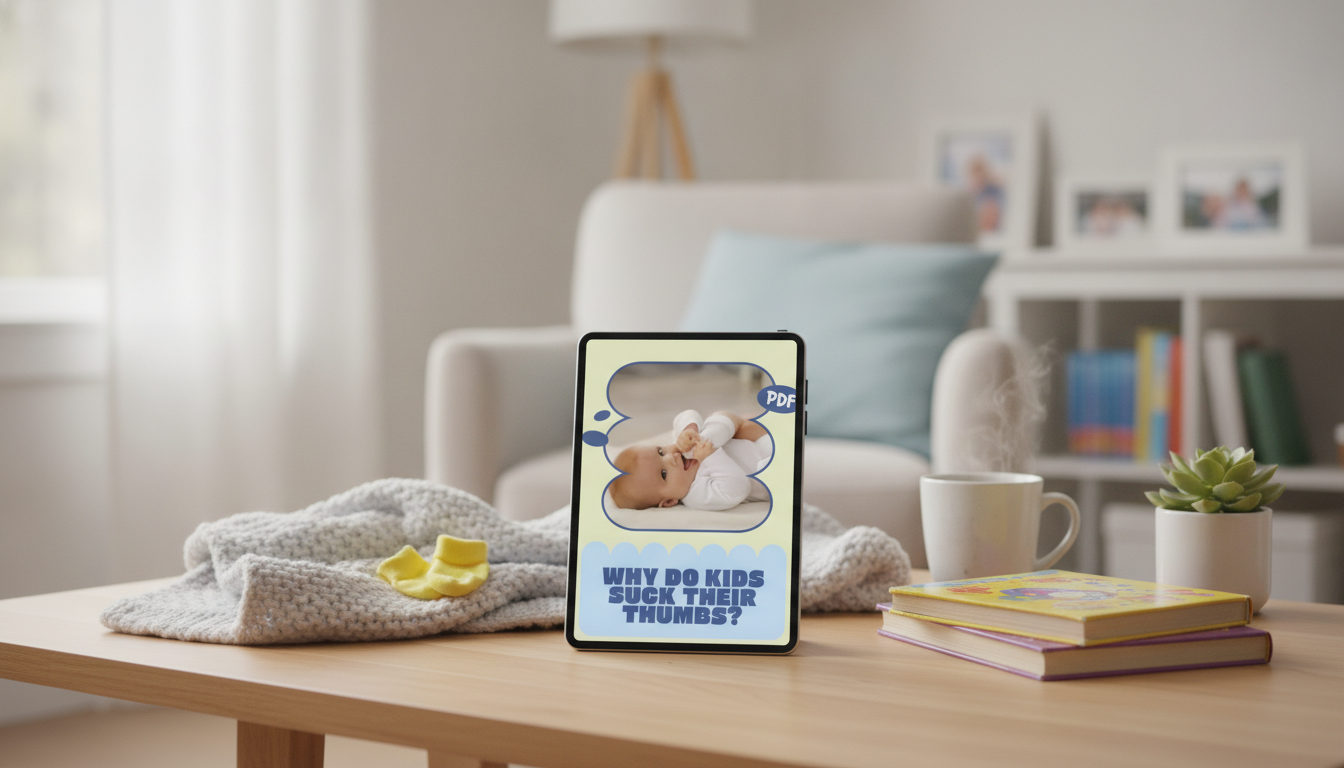
Why Kids Suck Their Thumbs: A Gentle Guide to Habits, Feelings, and Helpful Next Steps
Thumb sucking is a common self-soothing behavior that can show up during tired moments, transitions, or big feelings. For many children it’s a temporary comfort tool, not a “bad habit.” What matters most is what the behavior is doing for your child—helping them settle, feel safe, or manage stress—so you can support change calmly when it’s time.
Below are the most common reasons thumb sucking happens, the emotional clues it can point to, and practical next steps that reduce power struggles and protect connection.
Thumb sucking as comfort: what it does for a child
- Self-regulation: Sucking can lower stress and help the nervous system settle, especially during fatigue or overstimulation.
- Predictability: The body repeats what has worked before, so the behavior becomes a reliable “reset button.”
- Sleep association: Many children link sucking with falling asleep—or staying asleep through light wake-ups.
- Sensory needs: Oral input can be calming for kids who seek certain sensations (chewing, mouthing, sucking).
- Temperament and development: Some children are more sensitive to change and lean on soothing routines longer.
If you’d like a deeper, step-by-step approach with scripts and routines, Why Do Kids Suck Their Thumbs – A Gentle Parenting Guide Explaining Kids Thumb Sucking, Habits, Emotions & Practical Solutions lays out gentle strategies that focus on skills—not shame.
Common triggers and emotional clues to look for
- Tiredness: More frequent thumb sucking near naps, bedtime, or after busy days.
- Transitions: Daycare drop-off, a new sibling, travel, moving homes, or starting school.
- Big feelings: Anxiety, frustration, embarrassment, loneliness, or feeling “small” in a big environment.
- Overstimulation: Noisy gatherings, crowded stores, or long stretches without downtime.
- Under-connection: Increased thumb sucking after separations or when caregivers are less available.
- Body clues: Hunger, thirst, or discomfort (ear infections, teething, allergies) can increase soothing behaviors.
Triggers, what thumb sucking may be communicating, and gentle responses
| When it happens | Possible need | Gentle response to try |
|---|---|---|
| Bedtime or during night wake-ups | Safety and sleep support | Add a steady bedtime routine, comfort object, and a brief check-in script (“You’re safe, I’m here.”) |
| After preschool/daycare | Decompression and connection | Offer 10 minutes of quiet reconnecting (snack + book + cuddle) before questions or tasks |
| During screen time or car rides | Boredom or sensory regulation | Provide an oral alternative (water bottle with straw, age-appropriate chew option) and a fidget |
| In social settings | Shyness or anxiety | Coach a simple coping plan: stay close, hold hands, practice a greeting, then take breaks |
| When upset or frustrated | Emotional regulation | Name the feeling, offer choices, and teach a replacement tool (deep breaths, squeeze a pillow, humming) |
What’s typical, and when to pay closer attention
- Many children reduce thumb sucking naturally as language, coping skills, and independence grow.
- Frequency matters: occasional soothing is different from constant daytime sucking that interferes with play, speech, or social comfort.
- Dental considerations: prolonged, intense sucking can affect tooth alignment or palate shape; earlier guidance can help if changes are noticed.
- Skin and health: watch for cracked skin, calluses, or frequent infections on the thumb.
- Emotional load: if thumb sucking spikes alongside persistent anxiety, sleep struggles, or major life changes, extra support may be helpful.
For additional medical guidance, the American Academy of Pediatrics’ parent resource at HealthyChildren.org and the American Dental Association both discuss oral habits and when to seek help.
Gentle parenting approach: reduce shame and build skills
- Avoid teasing or scolding: shame increases stress, and stress makes soothing habits more “sticky.”
- Get curious, not controlling: notice patterns (time, place, emotion) and respond to the underlying need.
- Use neutral language: “Thumbs are for comfort. Let’s find comfort that keeps your body healthy too.”
- Co-regulate first: connect before correcting—calm the body, then problem-solve.
- Make it collaborative: invite your child to help choose replacement tools and a plan for tricky moments.
Practical steps that work without power struggles
Nighttime support: keeping comfort while changing routines
If thumb sucking increases with nighttime worries, Peaceful Nights System for Worried Sleepers – 4-in-1 Bundle to Calm Kids’ Night Fears can complement a calming routine with structured supports for anxious moments after lights out.
When to involve a pediatrician, dentist, or therapist
The Mayo Clinic also outlines habit-shaping strategies that emphasize consistency and calm limits.
A calm, step-by-step plan for the next two weeks
A supportive resource for families who want a structured approach
- For parents who prefer a guided plan, Why Do Kids Suck Their Thumbs – A Gentle Parenting Guide Explaining Kids Thumb Sucking, Habits, Emotions & Practical Solutions offers explanations, emotional insights, and practical strategies to reduce thumb sucking without shame.
- Useful for caregivers who want scripts, routine ideas, and ways to support regulation during stress, transitions, and bedtime.
- Pairs well with calming sleep supports if thumb sucking increases at night or during worries.
FAQ
At what age should thumb sucking stop?
Many kids outgrow thumb sucking on their own, so a single “right age” isn’t as helpful as looking at intensity, frequency, and any dental changes. If adult teeth are coming in or you notice shifting teeth or palate changes, a dentist can give guidance tailored to your child.
How can thumb sucking be stopped without punishment or shame?
Start with connection first, identify triggers (tired, anxious, overstimulated), and offer replacement comfort tools right when the urge hits. Use small thumb-free times, gentle cues, and praise your child for noticing and trying—rather than demanding perfection.
Can thumb sucking affect teeth or speech?
Prolonged, intense thumb sucking can affect tooth alignment and palate shape over time, especially as adult teeth begin to come in. Speech effects are usually less direct, but if you’re concerned about oral development or articulation, a dentist or pediatrician can help you decide what support is needed.
















Leave a comment