How to Budget on Weekly Pay: A Payday Checklist

Weekly pay gives you a regular chance to check in with your money, but it can also make monthly bills feel like moving targets. A little planning on each payday can help you see what is available now and what needs to be reserved for later.
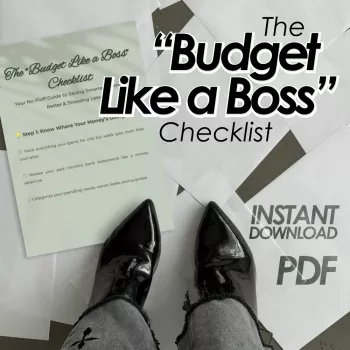
Our Weekly Pay Budget Boss Checklist is a digital budgeting planner designed to help you organize weekly income, prepare for upcoming expenses, and give each paycheck a purpose. Whether your pay stays steady or changes from week to week, you can use a repeatable routine to make decisions with the information you have.
Why a Weekly Payday Plan Helps
When you are paid weekly, your income arrives on a different rhythm from many of your bills. Rent, utilities, subscriptions, and insurance may be due monthly, while groceries and transportation need attention throughout the month. Without a plan, it can be easy to overlook a payment that is still a few weeks away.
A payday checklist brings those different timelines together. Instead of waiting until a bill is due, you can review what is coming and decide how much of this week’s pay to set aside. You can also make room for necessities, savings, and personal spending without losing sight of your available balance.
Our Weekly Pay Budget Boss Checklist is in stock for $3.99 USD. It is an affordable digital planning option for building a payday routine, though no planner can guarantee a particular financial outcome.
Build Your Payday Checklist
Start with the take-home pay that actually reaches your account. If your hours, tips, commissions, or other income change, record the amount received rather than relying on your highest recent paycheck. Note any other money available for the week, while keeping track of funds already committed to bills.
Next, list the expenses and goals that need attention. Your checklist might include:
- Upcoming bills and their due dates
- Groceries, transportation, and other essentials
- Savings goals or a cushion for unexpected costs
- Flexible expenses, such as entertainment or personal purchases
Assign a dollar amount to each category and add the amounts together. Your total should not exceed the income and uncommitted funds you have available. If it does, revisit flexible spending first and adjust the plan to fit. When essentials still exceed available money, consider contacting bill providers about payment options or seeking local assistance.
Set Aside Money for Monthly Bills
Dividing a monthly bill by four can be a simple starting point for estimating a weekly set-aside. For example, a $400 bill suggests setting aside $100 from each of four paychecks. But your actual pay dates and the bill’s due date matter: you may not have four paychecks available before the next payment.
Check the balance you have already saved and count the paydays remaining before each bill is due. If there is a shortfall, you may need to reserve more from an earlier paycheck, reduce another category, or contact the provider about timing. Once a bill is covered, you can start preparing for the following payment.
The following plan shows how one $600 weekly paycheck could be allocated. These amounts are examples, not recommendations; your own costs and priorities may look different.
| Category | Amount | Purpose |
|---|---|---|
| Housing and bills | $250 | Set aside for upcoming payments |
| Groceries and essentials | $150 | Cover this week’s necessities |
| Savings | $50 | Build a cushion for future needs |
| Flexible spending | $100 | Plan for personal spending |
| Buffer | $50 | Allow room for unexpected costs |
| Total | $600 | Match allocations to take-home pay |
The buffer and savings categories serve different purposes: a buffer can cover a surprise during the current week, while savings can be reserved for a longer-term need. If a bill is due sooner than expected, you might temporarily move money from flexible spending or another category to cover it.
Make the Checklist Work for Your Income
If your earnings fluctuate, build your initial plan around a conservative paycheck you can reasonably expect. Prioritize essential costs and approaching bills first. When extra income arrives, decide where it is most useful instead of assigning it before you receive it.
Each payday, review your account balances, upcoming due dates, and any categories that ran short. A higher grocery bill or a change in transportation costs may mean adjusting the next plan. The goal is a useful routine that reflects your life, not a fixed set of numbers you must follow forever.
Some months include five paychecks. That fifth check may feel like a bonus, but it could also be needed for bills due early in the next month. Review those obligations first, then consider putting any money that remains toward savings, debt, or another priority.
Start Your Weekly Budget Routine
Flexible spending can include purchases you have planned for, such as our in-stock Vintage Resin Vase. Before buying a nonessential item, consider whether it fits the money you have available after covering your priorities.
For more budgeting tools and guidance, explore the Consumer Financial Protection Bureau’s Your Money, Your Goals resources or the FDIC’s Money Smart for Adults program. Small adjustments made consistently can help you keep your plan current as your needs change.
FAQ
How do I budget monthly bills when I get paid weekly?
List each bill’s amount and due date, then set aside money from your paychecks. Check that enough will be available before each payment is due.
Can I budget weekly if my paycheck changes?
Start with a conservative income estimate and prioritize essential costs. Decide how to use any extra income once you receive it.
What should I do with a fifth paycheck in a month?
Check upcoming bills and other obligations first. Then consider allocating any available money to savings, debt, or other priorities.















Leave a comment