USB/XLR RGB Dynamic Mic: Clear Voice for Streams
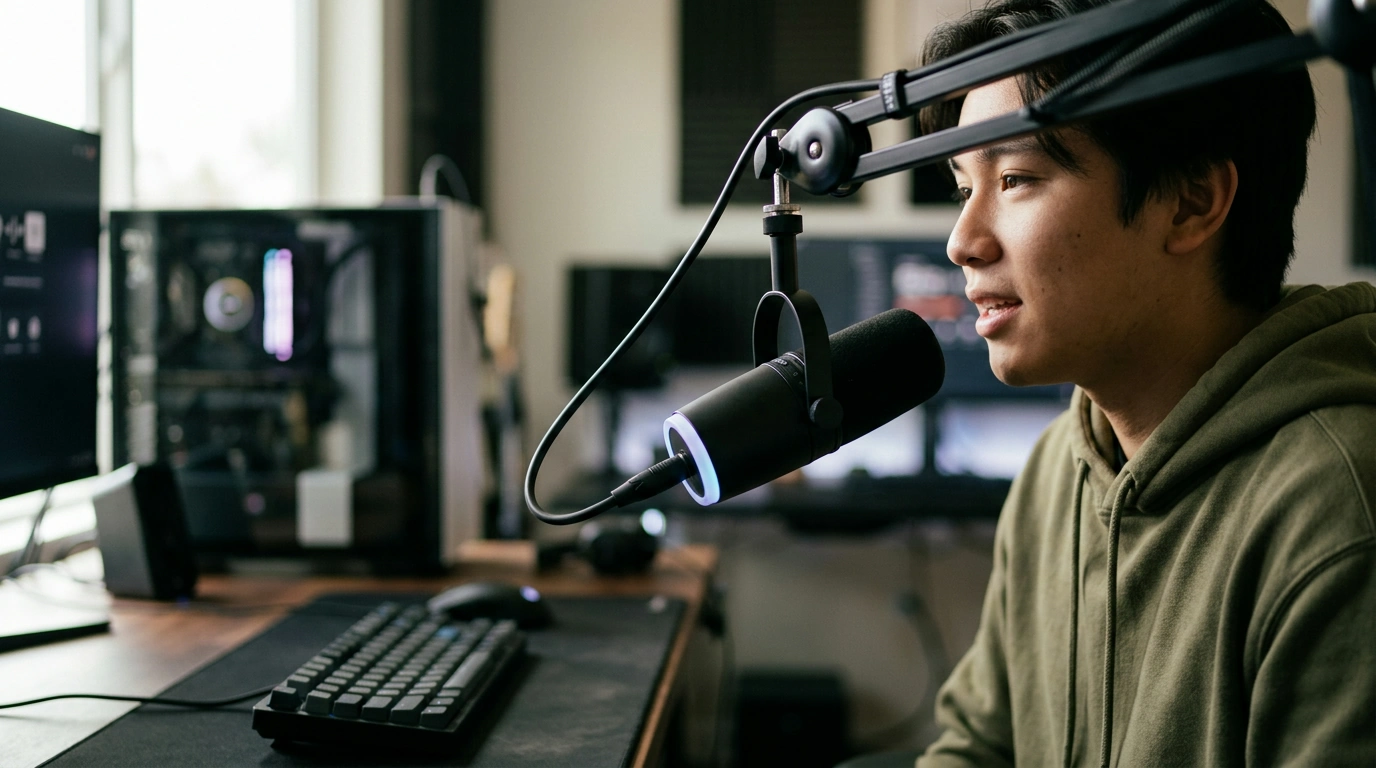
RGB Gaming Microphone with USB/XLR: dynamic, voice-forward audio without the hassle
Clean voice audio changes everything—whether you’re calling plays in a squad match, running a live stream, recording a podcast, or cutting narration for a video. Our team built the RGB Gaming Microphone with USB/XLR, Dynamic Cardioid Mic for Streaming & Recording around a dynamic cardioid pickup pattern that helps keep the focus on your voice while dialing back everyday room noise. You also get a practical upgrade path: start with simple USB today, then move into an XLR interface or mixer later—without replacing the mic that’s already working for you. For more guidance, see FIFINE AmpliGame AM8 Review: A Flexible USB/XLR ….
What this mic is made for
If you’ve ever rewatched a VOD and heard more keyboard than voice, you already know why pickup pattern and workflow matter. This mic fits especially well for: For further reading, see FIFINE AmpliGame AM8 Review: A Flexible Mic for Gaming ….
- Streaming and gaming voice chat where background noise is a constant fight (PC fans, keyboards, roommates).
- Spoken-word recording like podcasts, commentary, voiceovers, and class presentations.
- Creators who want one microphone that can start plug-and-play over USB and later integrate into an XLR setup.
- Setups that benefit from a tighter, voice-forward pickup pattern rather than capturing the whole room.
Dynamic cardioid: a practical choice for real rooms
In everyday home setups, you rarely have perfect acoustics—and you shouldn’t need them just to sound clear. Dynamic microphones are commonly chosen for close-up speech because they tend to be less sensitive to distant sounds than many condensers, which can help when your room isn’t treated. Pair that with a cardioid pickup pattern (strongest at the front, reduced at the sides and rear), and you get a mic that’s easier to live with when there’s a keyboard, PC tower, or hallway noise nearby.
To get the best out of any cardioid mic, placement matters more than “maxing out” your gain. Keep it close, stay consistent, and aim thoughtfully. If you want a deeper reference on patterns and what “cardioid” really means in practice, Shure’s guide is a solid starting point: Microphone Polar Patterns Explained.
Quick placement checklist for clearer speech
| Setup step | Goal | Simple tip |
|---|---|---|
| Distance | Stronger voice, less room | Start at 3–6 inches and adjust from there |
| Angle | Reduce breath noise and plosives | Aim slightly off-center rather than directly on-axis |
| Noise sources | Keep unwanted sound out of the pickup zone | Place the rear of the mic toward your PC/keyboard when possible |
| Consistency | Stable volume and tone | Keep the same posture and mic distance during streams |
USB and XLR: pick the workflow that fits today (and tomorrow)
Some creators want “connect and go.” Others want routing, multiple sources, and hands-on control. Dual connectivity means you can match your mic to your current setup instead of building your setup around your mic.
USB vs XLR at a glance
| Connection | Best for | What you’ll need | Why it’s useful |
|---|---|---|---|
| USB | Quick streaming, calls, basic recording | Computer + USB port | Simple setup with minimal extra gear |
| XLR | Interfaces/mixers, multi-source audio setups | Audio interface or mixer + XLR cable | More control and easier expansion as your channel grows |
If you’re sorting out levels and device choices inside OBS, OBS Studio’s basics documentation is a straightforward reference: OBS Studio — Audio Setup (Basics).
RGB in a gaming setup: visibility, vibe, and desk presence
Dialing in a clean stream or recording
Fast troubleshooting guide
| Issue | Likely cause | Fix to try first |
|---|---|---|
| Voice sounds far away | Mic too distant or gain set low | Move mic closer, then adjust input level |
| Too much room/echo | Hard surfaces and high sensitivity | Get closer, add soft materials nearby |
| Breath pops on P/B sounds | Direct airflow hitting capsule | Angle the mic slightly off-center |
| Background noise creeping in | Noise sources too close or behind mic front | Turn the mic so the rear faces the noise source |
If you want a broader comparison of mic types while you plan your setup, Audio-Technica’s explainer is a helpful overview: Dynamic vs Condenser Microphones.
Who this microphone fits best
In-stock picks from our store
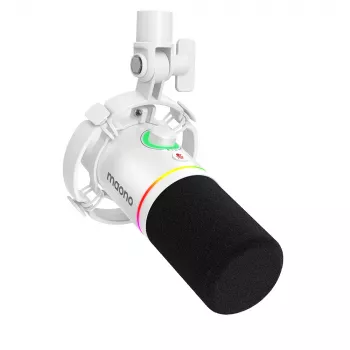
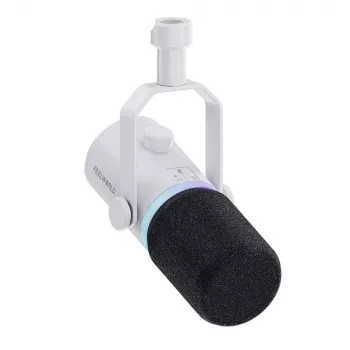
- RGB Gaming Microphone with USB/XLR, Dynamic Cardioid Mic for Streaming & Recording — a voice-forward mic with flexible connectivity for streaming and recording.
- Muscle Relaxation Toolkit for Total Tension Relief – 3-in-1 Bundle for Deep Muscle Relaxation — a comfort add-on for long editing sessions and extended stream nights.
- Luxury High-Back Recliner Sofa Set — a premium seating upgrade if your recording corner doubles as a lounge or studio space.
Product snapshot
| Item | Details |
|---|---|
| Name | RGB Gaming Microphone with USB/XLR, Dynamic Cardioid Mic for Streaming & Recording |
| Price | 74.01 USD |
| Stock status | In stock |
FAQ
Should USB or XLR be used for streaming?
USB is the simplest choice when you’re going straight into a PC and want a fast setup. XLR is ideal when you’re using an interface or mixer for more control and easier expansion. Choose based on the gear you have now and whether you plan to upgrade your audio chain later.
Will a dynamic cardioid mic reduce keyboard and room noise?
A cardioid pattern focuses on sound from the front and reduces sound from the sides and rear, and dynamic mics are often less sensitive to distant noise than many condensers. Placement is still the deciding factor: keep the mic close, point the rear toward noise sources, and soften the room with basic furnishings to cut reflections.
How close should the microphone be for clear voice audio?
Start around 3–6 inches from your mouth and keep that distance consistent for steady tone and volume. Angle the mic slightly off-axis to reduce plosives and breath noise. If your voice sounds thin, move the mic closer before boosting gain.












Leave a comment