Stylish Layering Made Easy: Smart Outfits Year-Round
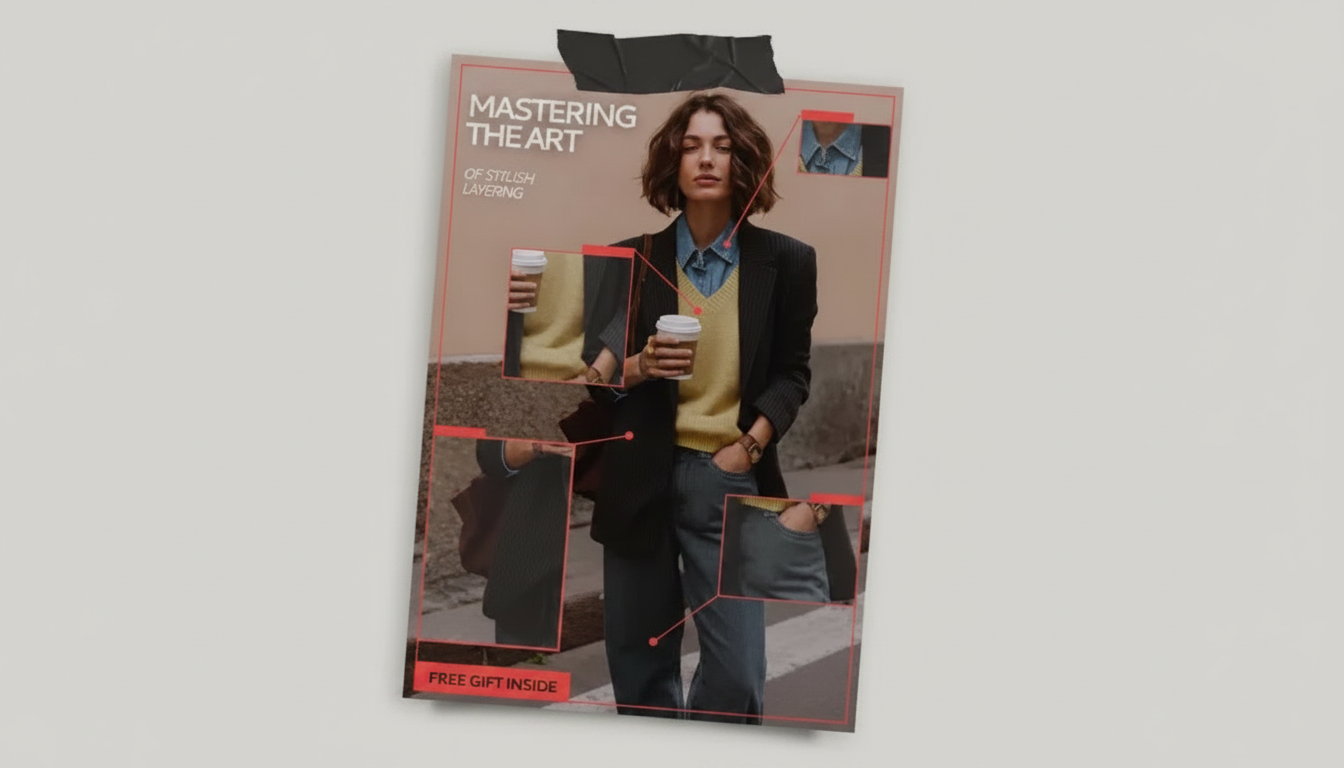
Mastering Stylish Layering: Smart Outfits for Every Season
Layering is equal parts comfort, function, and personal style. With a few repeatable methods—balancing proportions, mixing textures, and choosing the right base and outer layers—outfits look intentional instead of bulky. The goal is to create a clean silhouette with enough flexibility to handle unpredictable weather, chilly offices, and day-to-night plans. For more guidance, see Mastering the Art of Layering – Olsen Fashion.
What Makes Layering Look Polished (Not Piled On)
Great layering starts with a clear reason. Are you adding warmth for a commute, coverage for a dress, or structure to elevate a simple tee-and-jeans day? Once the purpose is set, build from thin to thick: a smooth base, a mid layer for warmth or visual interest, and an outer layer that shapes the whole look.
- Start with a clear purpose: warmth, coverage, or adding structure to a simple outfit.
- Build from thin to thick: lightweight base, mid layer for interest, outer layer for shape.
- Create a focal point: one statement piece (coat, scarf, boots, or color pop) keeps the look intentional.
- Keep one area streamlined: waist, sleeves, or neckline to avoid an all-over bulky silhouette.
- Repeat a color twice: (e.g., top + shoes) so multiple layers read as coordinated.
Layering Formulas by Temperature and Occasion
| Situation | Base Layer | Mid Layer | Outer Layer | Style Detail |
|---|---|---|---|---|
| Cool office day | Fitted tee or blouse | Fine-knit cardigan | Tailored blazer | Add a belt or tuck the base to define the waist |
| Cold commute | Thermal long-sleeve | Sweater or hoodie | Wool coat or puffer | Use a scarf to frame the face and add contrast |
| Mild weekend | Tank or tee | Overshirt or light sweater | Denim jacket or trench | Roll sleeves to show wrists for a lighter feel |
| Rainy day | Breathable top | Thin knit | Waterproof shell | Choose sleek footwear to prevent the look feeling heavy |
The Three-Part Layering Framework
When outfits feel “off,” it’s often because one of the three core layers is missing—or competing for attention. Keeping each layer’s job clear makes styling faster and more consistent.
- Base layer: comfortable, close to the body, and smooth under other fabrics (tees, tanks, bodysuits, lightweight knits).
- Mid layer: adds warmth and dimension (cardigans, sweaters, vests, overshirts).
- Outer layer: sets the silhouette (blazers, trenches, coats, puffers, leather or denim jackets).
- Simple rule: keep the base fitted, let the mid layer be slightly relaxed, and finish with a structured outer layer.
If you want a quick upgrade, focus on your outer layer. Even a basic base and mid layer look intentional when topped with a crisp blazer or a well-proportioned trench.
Seasonal Styling: Easy Adjustments That Change Everything
Layering doesn’t need a full wardrobe overhaul—just seasonal swaps that make your outfits feel current and comfortable.
- Spring: trade heavy knits for breathable cotton, then add a trench or light jacket. Keep palettes fresh with one bright accent (like a bag or sneaker).
- Summer (light layering): use airy layers for sun and A/C—linen shirts over tanks, lightweight cardigans, or a loose button-up tied at the waist.
- Fall: lean into texture mixing—denim + knit + suede. Add tights or taller socks as a subtle extra layer that reads styled, not random.
- Winter: prioritize insulation without bulk—thin thermal base, warm mid layer, wind-blocking outer. Finish with hat, scarf, and gloves to seal warmth.
Fabric choice matters as much as the number of layers. Understanding how textiles trap heat, breathe, and drape can help you choose pieces that layer smoothly; see Britannica’s overview of textile structure and fabric properties for a helpful foundation.
Proportion Tricks for Instant “Put-Together”
Polished layering is mostly proportion management. A small tweak—like a cuff, tuck, or hem length—can turn “bundled up” into “styled on purpose.”
Texture and Color Layering Without Clashing
For broader context on how clothing choices and styling evolved across time and culture, Britannica’s overview of clothing and fashion is a solid reference.
Common Layering Problems (and Quick Fixes)
A Practical Guide for Building Smart Layered Outfits
If you like having repeatable outfit “formulas,” a quick reference can make daily dressing much easier. For step-by-step outfit templates, seasonal checklists, and layering methods that simplify what to wear, explore Mastering the Art of Stylish Layering | Fashion eBook Guide to Smart Outfits, Seasonal Styling & Layering Methods to Look Stylish.
For a more well-rounded comfort-focused routine (especially during colder months when heavy layers and long days can feel physically taxing), you can also browse Muscle Relaxation Toolkit for Total Tension Relief – 3-in-1 Bundle for Deep Muscle Relaxation.
FAQ
How many layers should an outfit have to look stylish?
Two to three layers works for most days: a base plus either a mid layer or outer layer, and add the third when the temperature drops. Accessories like scarves can count as a “soft layer” without adding bulk, as long as you can still move comfortably.
How can layering work in warm weather without feeling hot?
Use breathable fabrics like cotton and linen, and choose open-front or loose button-up layers you can remove easily. Keep the base sleeveless or lightweight, then add one airy overshirt for sun coverage or strong A/C.
What’s the easiest way to avoid looking bulky when layering?
Go thin-to-thick, keep the base fitted, and finish with a structured outer layer that defines the shape. If you still feel puffy, streamline one area (like sleeves) and add definition with a tuck or belt.











Leave a comment