Smart Sensor Toilet: Heated Seat + Dual Flush Guide
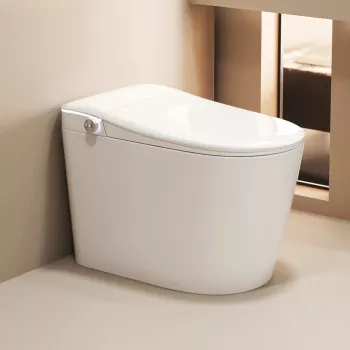
Smart Auto Sensor Flush Toilet with Heated Seat and Dual-Flush System: Comfort, Hygiene, and Water Savings
A heated seat, touch-free flushing, and a dual-flush option can transform everyday bathroom routines into something cleaner, quieter, and more comfortable. A smart auto sensor flush toilet with a heated seat and dual-flush system brings those upgrades into one integrated fixture—reducing the “little annoyances” that add up (cold seats, extra cleaning, and wasting water on every flush). Below is what to expect from this type of toilet, what to verify before ordering, how installation typically goes, and the simple habits that keep sensors and finishes working reliably.
What makes this toilet “smart” in daily use
“Smart” isn’t just a buzzword when it changes how the bathroom feels and functions. With an auto sensor flush, the toilet can trigger a flush without pressing a lever or button, which helps limit contact with one of the most-touched surfaces in a bathroom. In busy households or guest baths, that touch-free step can also reduce smudges and frequent wipe-downs.
A heated seat is the other daily-use feature that’s immediately noticeable. It’s especially appreciated in colder climates, in bathrooms that run drafty, and during overnight use when the room temperature is lower. Instead of bracing for a cold surface, the seat stays consistently comfortable.
Dual-flush operation adds a practical layer of control: a lower-volume flush for liquid waste and a higher-volume flush for solid waste. Over time, that flexibility can reduce overall water consumption compared with single-flush toilets that use the same amount every time. For more context on high-efficiency toilet performance and water-saving goals, the EPA’s WaterSense toilet guidance is a helpful reference.
Many smart toilets also use a more modern, integrated body style that reduces seams and hard-to-reach edges. Fewer crevices can mean less buildup around joints and fewer places for dust to cling behind the bowl.
Key features to look for before buying
Smart toilets can vary widely in how “smart” they behave. Before committing, focus on the details that affect everyday reliability:
- Sensor behavior: Look for auto-flush plus a manual override, and consider adjustable sensitivity to reduce unnecessary flushing (particularly in small bathrooms or tight clearances).
- Heated seat control: Confirm multiple temperature levels, reasonable warm-up behavior, and an eco mode or timer option if energy use is a concern.
- Dual-flush options: Verify two distinct flush choices and how they’re activated (button, remote, side panel, or automatic logic based on use).
- Power requirements: Most units require a nearby GFCI outlet. Check cord length and outlet placement so you don’t rely on exposed extension cords.
- Noise and night use: A soft-close seat and quieter flush design make a big difference in shared homes; some models also include subtle lighting for nighttime navigation.
Quick checklist before ordering
| Check item | Why it matters | What to confirm |
|---|---|---|
| Rough-in distance | Ensures the toilet fits your existing drain placement | Measure from finished wall to the center of the floor drain (often 12 in) |
| Electrical outlet | Needed for seat heating and sensors | GFCI outlet location and accessibility |
| Water supply location | Prevents hose strain and simplifies hookup | Valve position and clearance behind/to the side |
| Bathroom clearance | Improves comfort and code compliance | Space in front and to the sides of the bowl |
| Floor condition | Prevents leaks and rocking | Level floor and a clean flange area |
Comfort, hygiene, and accessibility benefits
Accessibility can also improve when controls are easier to activate than a traditional lever, depending on the unit’s layout. People with limited mobility may prefer a clearly placed button or panel over twisting to reach behind the tank. For space planning and clearance guidance in remodels, the National Kitchen & Bath Association (NKBA) is a widely recognized resource.
Installation considerations and compatibility
During installation, use a new wax ring (or the manufacturer-recommended seal) and verify the flange is secure and properly set. After the toilet is mounted, test the sensor range and confirm both flush modes perform as expected before doing any final caulking. If you’re comparing plumbing standards and certification bodies, the International Association of Plumbing and Mechanical Officials (IAPMO) provides helpful context on code and product conformity.
Everyday maintenance and long-term care
Who this upgrade is best for
Product spotlight
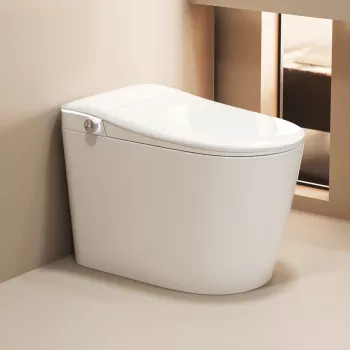
The Smart Auto Sensor Flush Toilet with Heated Seat and Dual-Flush System is built to combine touch-free convenience with comfort and water-saving flush flexibility. It’s a strong fit for primary bathrooms, guest baths, and renovation projects where a nearby GFCI outlet is available. Before purchasing, verify rough-in size, outlet placement, and bathroom clearances for a smooth installation.
Also available in our store
- Muscle Relaxation Toolkit for Total Tension Relief – 3-in-1 Bundle for Deep Muscle Relaxation
- Vintage Resin Vase
- Luxury High-Back Recliner Sofa Set
FAQ
Does an auto sensor flush toilet still work if the power goes out?
Most smart functions (sensor flushing and seat heating) require electricity, so performance may be limited during an outage. Many models include a manual flush/override, so it’s important to confirm how this specific unit operates without power.
How much water can a dual-flush system save compared with a single-flush toilet?
Savings vary by household, but dual-flush toilets often reduce water use meaningfully because liquid waste can use a smaller flush volume. The more often the lighter flush is used appropriately, the greater the long-term reduction compared with a single-flush setup.
What electrical outlet is needed for a heated-seat smart toilet?
A nearby GFCI-protected outlet is typically recommended in bathrooms. Confirm the outlet location, accessibility, and cord reach, and follow local electrical code for any new or relocated outlet work.















Leave a comment