550Wh Solar Power Station: Runtime and Output Guide
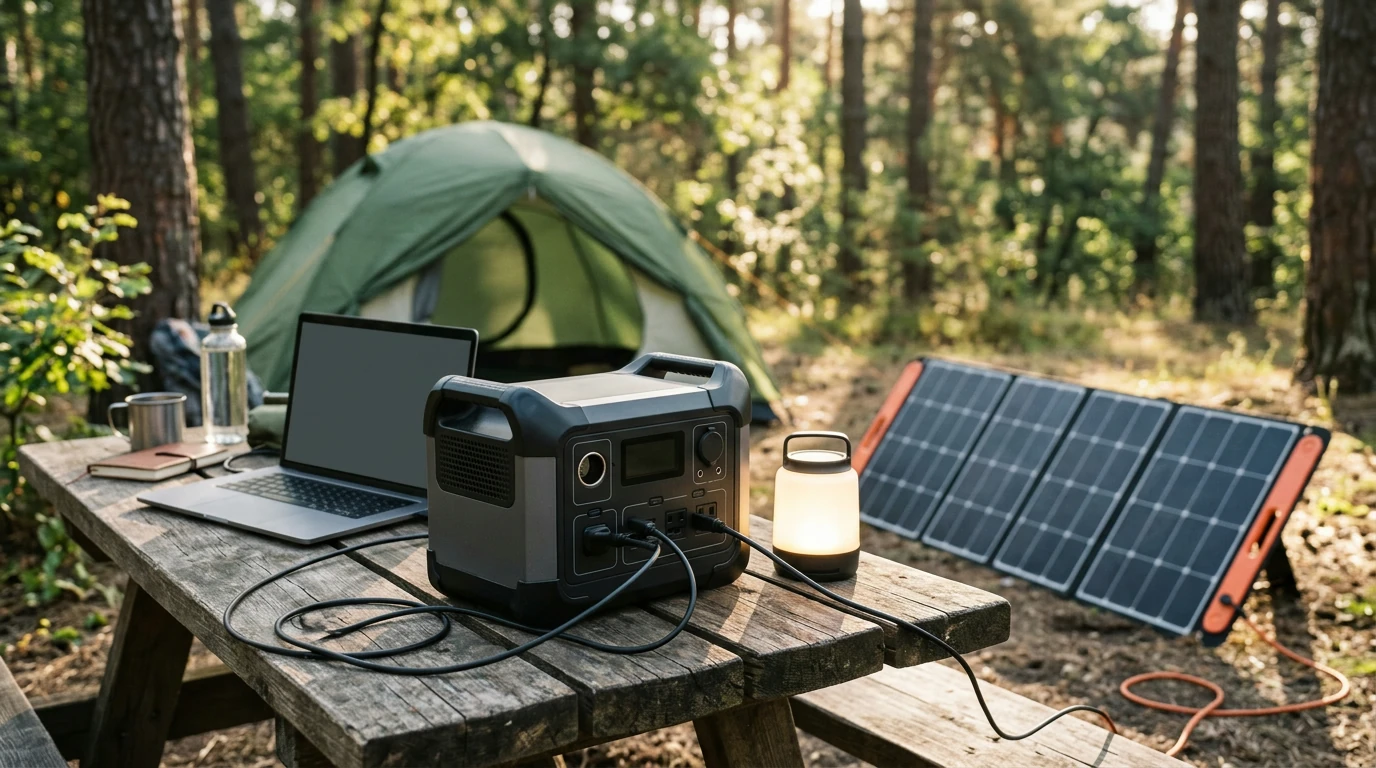
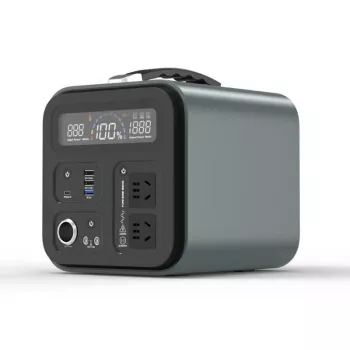
When a wall outlet is out of reach, a portable power station can help you keep compatible devices running. Our 550Wh solar power station combines stored energy with a 600W pure sine wave AC output, plus USB and DC outputs for compatible equipment.
Whether you are planning a camping trip or preparing for a power interruption, the most useful starting point is understanding what you want to power and how much electricity it needs. A little planning can help you choose the right output and make realistic runtime estimates.
Power for More Than One Setting
At a campsite, a power station can provide a convenient connection for compatible lights and electronics without relying on a nearby building. At an outdoor workspace, it can help keep suitable devices available while you work away from a wall outlet. During a power interruption, it can provide a temporary source of power for selected devices within its limits.
Before connecting anything, look for the device’s power rating on its label, adapter, or operating instructions. Add together the power requirements of devices you plan to use at the same time, and leave room for any startup demand. A device’s plug fitting into an outlet does not necessarily mean the station can support it.
Explore our Portable 550Wh Solar Power Station for current purchasing details.
Understanding 550Wh and 600W
The two ratings describe different things. The 550 watt-hours, or 550Wh, represent stored energy. The 600-watt rating describes the station’s AC power output. A device may be within the AC output limit but still use the available energy quickly if its power draw is high.
For a simple ideal estimate, divide 550Wh by the device’s power draw in watts. These examples assume a steady draw and do not account for energy lost when power is converted or delivered.
| Device power draw | Ideal calculation | Estimated ideal runtime |
|---|---|---|
| 10W | 550Wh ÷ 10W | 55 hours |
| 50W | 550Wh ÷ 50W | 11 hours |
| 100W | 550Wh ÷ 100W | 5.5 hours |
Actual runtime will be shorter because of conversion losses and other operating conditions. Devices may also draw different amounts of power over time, so use these figures as a starting point rather than a guarantee. The U.S. Energy Information Administration offers more background on how electricity is used.
For appliances, check both continuous power and startup power. Some equipment needs more power briefly when it starts than it draws during normal operation. Compare both requirements with the station’s specifications before connecting it, especially when other devices are already in use.
Choosing Between AC, USB and DC Outputs
Our station offers pure sine wave AC, USB, and DC outputs, giving you options for connecting compatible devices. Pure sine wave AC produces a smooth waveform suitable for many electronic devices. Even so, confirm your equipment’s electrical requirements before use.
USB and DC connections can be useful when your device is designed for those types of power. Check the connector type and the output specifications against the device or adapter requirements. Do not assume that every cable, voltage, or charging method will work simply because it uses a familiar-looking connector.
When planning several connections, consider the combined load as well as the individual device requirements. If you need a device for an extended period, reducing other loads can help preserve the stored energy available to it.
Planning for Solar Charging and Safe Use
Solar charging depends on compatible equipment and available sunlight. Before choosing a panel, compare its specifications with the power station’s input requirements and make sure the connection is suitable. A solar panel is not specified as included, so review the product details before making your plans.
Sunlight changes with weather, location, and the position of a panel. Allow flexibility in your schedule rather than relying on a fixed recharge time. For an introduction to how solar energy works, visit the U.S. Department of Energy’s solar energy basics.
Keep the station dry and follow its operating instructions. Choose a suitable location for use, protect connections from moisture, and disconnect equipment according to its instructions. Our team recommends planning around essential devices first so you can match your available power to your priorities.
Planning Your Space at Home
Portable power is one part of making a space work for you. If you are also updating a place to relax when utility power is available, explore our Luxury High-Back Recliner Sofa Set. Consider your room layout and everyday needs separately from your backup-power plan.
FAQ
How long will the 550Wh power station run my device?
Divide 550Wh by your device’s power draw in watts for an ideal estimate. Actual runtime will be shorter because of conversion losses and operating conditions.
Can this power station run a 600W appliance?
Check the appliance’s continuous and startup power requirements against the station’s specifications. An appliance at the rated AC limit may leave no margin for other loads.
Does the power station come with a solar panel?
A panel is not specified as included. Check the product details before purchasing a panel and confirm that it matches the station’s input requirements.













Leave a comment