Nonbinary Wardrobe Fit Checklist: Measure, Shop, Tailor
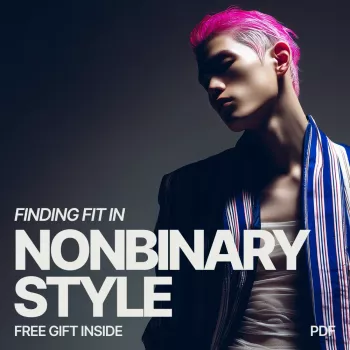
Finding Fit in Nonbinary Style: A Practical Checklist for Building Your Perfect Wardrobe
A wardrobe that feels right is built on comfort, proportion, and personal cues—not someone else’s rules. When you focus on how clothing moves with you and how it shapes your outline, shopping gets simpler and outfits feel more like yours. Use the checklist below to clarify what you want, capture measurements that actually help, and build a mix-and-match closet that reads the way you intend across workdays, weekends, and special occasions.
Start with three anchors: comfort, silhouette, and signal
Before you buy anything new, set three “anchors” that guide every decision. These anchors work whether you shop in any department, thrift, or tailor pieces to fit.
- Comfort: Identify non-negotiables. Think fabric feel (soft vs. crisp), stretch, mobility, sensory sensitivity (seams, tags, collars), and temperature needs. If something is distracting in motion, it won’t become more comfortable later.
- Silhouette: Choose shapes that feel affirming—straight, relaxed, cropped, elongated, boxy, tapered—without worrying about labels on the rack. Silhouette is your “visual language,” and it’s customizable day to day.
- Signal: Decide how you want outfits to read: neutral, masc-leaning, femme-leaning, fluid, playful, or formal. Also decide where you want flexibility (for example, neutral base with expressive accessories).
To reduce daily decisions, pick 2–3 “uniform” formulas you can repeat and vary. Examples: relaxed trouser + fitted tee + overshirt; wide-leg jean + tucked knit; skirt + boxy sweatshirt + boots.
If you want a printable, step-by-step version of this process, the Finding Fit in Nonbinary Style: A Practical Checklist for Building Your Perfect Wardrobe is a quick way to organize your anchors, measurements, and outfit formulas in one place.
Measurements that make shopping easier (and less frustrating)
Sizes vary wildly across brands, so the goal isn’t chasing a single number—it’s creating “fit targets” you can compare to size charts and garment measurements.
- Take full-body measurements with a soft tape: chest/bust, underbust (optional), waist (natural and where pants sit), hips/seat, shoulder width, inseam, rise, sleeve length, and neck (for collars).
- Translate numbers into fit targets: preferred ease at chest/waist/hips (how loose you like it), your desired inseam break (stacked vs. clean hem), preferred rise, and where you like shoulder seams to land.
- After try-ons, use photos and notes. Record which brands and cuts worked, plus what needed altering (hem, waist, shoulder, sleeve). This turns shopping into a repeatable system.
- Prioritize fit-critical zones for the garments you wear most: shoulders for jackets, waist/seat for trousers, chest/armhole for shirts.
Quick measurement-to-fit checklist
| Garment | Check first | Common fix | Fast try-on cue |
|---|---|---|---|
| Blazer/Jacket | Shoulders + armhole | Sleeve hem, waist suppression, body length | Shoulder seam lands near shoulder edge; arms raise comfortably |
| Button-up shirt | Neck + chest + shoulder | Side seams, sleeve length, darts removed/added | No pulling at buttons; collar closes without choking |
| Trousers/Jeans | Rise + waist + seat | Hem, waist take-in/let-out, taper | Sits where you want without sliding; seat not tight when sitting |
| Skirt | Waist placement + hip ease | Hem, waist, side seams | Moves easily when walking; waistband doesn’t roll |
| Dress | Upper torso + waist/hip ease | Straps, bust/underarm, hem | No pinching at underarm; can sit comfortably |
| Shoes | Length + width | Insole, stretch, sizing swap | Toes not cramped; heel doesn’t slip |
Build a mix-and-match base with intentional proportions
A flexible wardrobe usually starts with bottoms, because they set the line of your outfit. Choose 2–3 core bottoms that match how you like your silhouette to read.
- Pick core bottoms such as a straight-leg trouser, wide-leg jean, tailored short, midi skirt, or tapered pant.
- Balance volume: Pair wide bottoms with a more fitted or cropped top; pair slim bottoms with boxier layers.
- Use layers to modulate shape: Overshirts, chore coats, bombers, cardigans, vests, and long coats add structure without forcing a gendered look.
- Choose a consistent color strategy: neutrals + one accent, monochrome, or an earthy palette with a single bright pop.
When you repeat a few proportion “moves” (cropped over wide, longline over slim, boxy over straight), your outfits look cohesive even when you’re mixing elements from different style traditions.
Shopping strategy: departments, fabrics, and try-on scripts
Shopping gets easier when you treat clothing like equipment: you’re evaluating performance, comfort, and the outline it creates.
If try-ons leave you tense or sore, it can help to build a short reset routine before you decide. The Muscle Relaxation Toolkit for Total Tension Relief – 3-in-1 Bundle for Deep Muscle Relaxation can be paired with a fitting-room day so you’re judging clothes based on fit—not physical stress.
Small tailoring moves that change everything
Daily checklist: getting dressed with confidence
For broader context on nonbinary identities and respectful, person-centered care frameworks, see the Human Rights Campaign: Non-Binary and the WPATH Standards of Care (Version 8).
FAQ
How can a wardrobe feel nonbinary without relying on stereotypes?
Focus on fit, proportion, and comfort cues first, then mix elements like structure and drape in ways that feel affirming. Repeating what consistently feels right will create a clear personal style without turning presentation into a rulebook.
What are the most important measurements for better fit across different brands?
Prioritize shoulders and neck for tops and jackets, rise/waist/seat for bottoms, and inseam for length. Compare those numbers to brand size charts and garment measurements instead of relying on a single size label.
What’s a simple starter capsule for a flexible, nonbinary wardrobe?
Start with one structured layer (jacket or overshirt), one soft layer (cardigan or hoodie), two bottoms in different silhouettes, three tops, one dress/skirt or alternative statement piece, and one versatile pair of shoes—all chosen for comfort and repeatability.











Leave a comment