Mindful Fashion Goals: Build a Calm, Values-Led Wardrobe
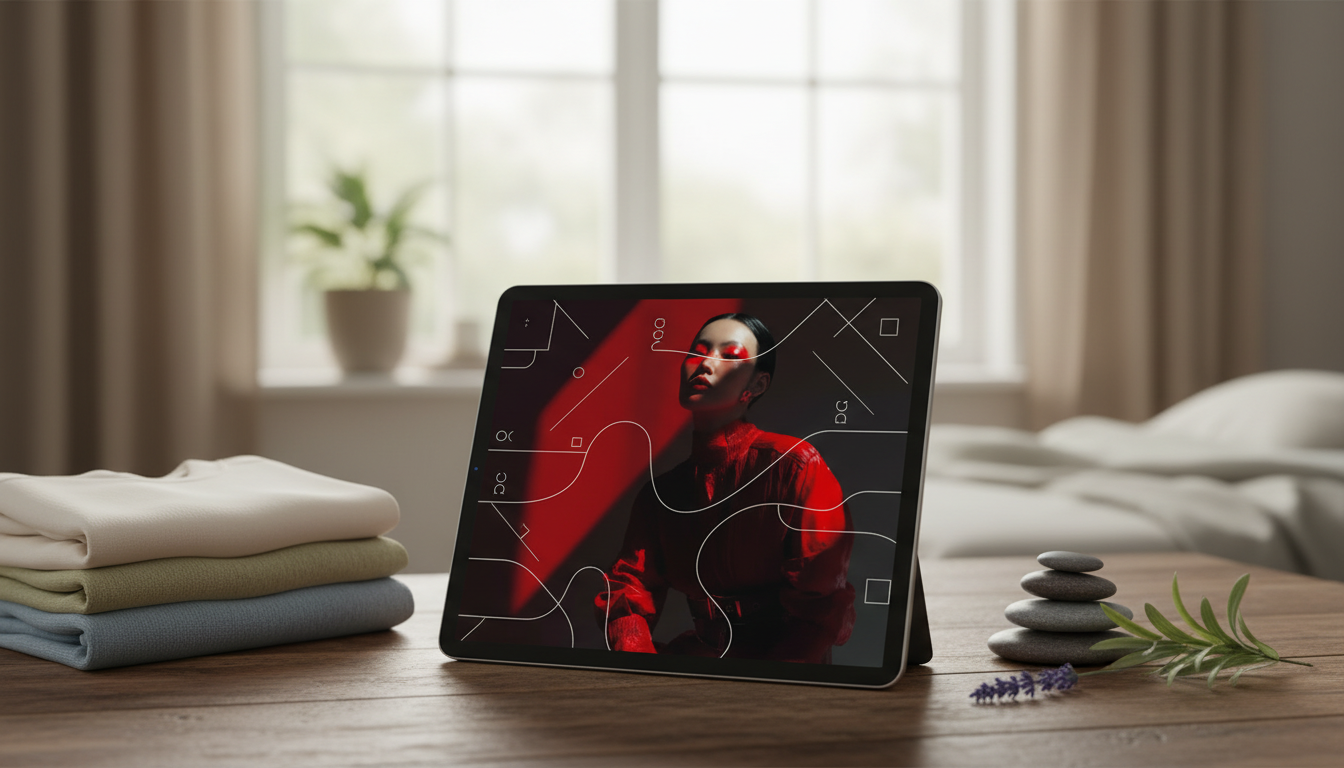
Mindful fashion goals turn getting dressed into a clear, values-led practice—less impulse shopping, more outfits that feel like “you.” By defining what matters (comfort, ethics, budget, creativity, simplicity) and setting small, trackable targets, it becomes easier to build a wardrobe that supports daily life, reduces waste, and makes styling feel calm and intentional.
What “mindful fashion goals” look like in real life
- Style with intention: choosing pieces that match lifestyle needs (work, caregiving, travel, climate) instead of fantasy purchases.
- Values-based choices: prioritizing durability, repairability, ethical production, or secondhand—depending on what matters most.
- Emotional clarity: noticing triggers that lead to impulse buys (stress, boredom, comparison) and setting boundaries that protect budget and closet space.
- A functional wardrobe: fewer “almost right” items and more repeatable outfit formulas that feel good on the body.
Many shoppers find that mindful goals naturally align with bigger industry shifts toward circularity and lower waste. If you want to understand the bigger picture, the Ellen MacArthur Foundation’s work on textiles and the circular economy is a helpful overview.
Start with a quick wardrobe reality check
- Do a 20-minute sweep: pull out the 10 items worn most often and note what they share (fabric, fit, color, ease).
- Identify friction points: what causes outfit stress—fit issues, lack of layering pieces, uncomfortable shoes, limited “outside” outfits, or laundry gaps.
- Spot duplicates and gaps: duplicates may signal a true uniform (keep) or a shopping loop (pause). Gaps often reveal the most useful next purchase.
- Choose one focus area: comfort, versatility, workwear, event dressing, travel capsule, or seasonal transition.
Keep the tone neutral: this is data, not judgment. Your closet is simply showing what your real life asks of your clothes.
Define your style with three anchors
- Lifestyle anchor: 3–5 words describing daily life (example: “walking, meetings, errands, weather swings”).
- Aesthetic anchor: 3 words capturing the vibe (example: “clean, relaxed, modern” or “romantic, textured, artsy”).
- Values anchor: 1–2 priorities that guide decisions (example: “secondhand first,” “natural fibers,” “buy less,” “support small makers”).
- Use anchors as a filter: if an item doesn’t match at least two anchors, it’s likely to be worn less.
This filter is especially useful when something is “pretty” but not practical. You don’t have to talk yourself out of buying it—you just need a system that tells the truth.
Set goals that are easy to track and hard to regret
- Pick one main goal and two supporting goals for 30–90 days to avoid overwhelm.
- Make goals specific and measurable: “Shop secondhand for 1 intentional piece” beats “be more sustainable.”
- Add a constraint: budget cap, color palette, fabric preference, or “must work with 3 existing outfits.”
- Plan a review date: goals evolve as seasons and bodies change—reviewing prevents “rules” from becoming pressure.
| Goal type | Example goal | How to measure | Simple next step |
|---|---|---|---|
| Buying less | No unplanned purchases for 30 days | Number of impulse buys (target: 0) | Create a 48-hour wait list for “maybes” |
| Wear what you own | Repeat 10 outfits on rotation this month | Outfit photos or checklist count | Save 10 outfit combos in a phone album |
| Better fit & comfort | Tailor or mend 3 pieces already owned | Repairs completed | Book one tailoring visit or learn one basic mend |
| More cohesive style | Build a 12-piece seasonal mini-capsule | Pieces selected + outfits created | Choose 2 bottoms, 4 tops, 2 layers, 2 shoes, 2 accessories |
| Ethical upgrading | Replace one frequent-wear item with a higher-quality version | Cost-per-wear estimate + durability notes | Define specs: fabric, care, brand standards, budget |
A mindful shopping framework (when buying is truly needed)
- Name the problem the item solves: “Need a warm layer for commuting” is clearer than “Need a new jacket.”
- Write a mini spec sheet: color range, fabric, fit, care needs, and what it must pair with.
- Use the “3 outfits” test: if it can’t make at least 3 outfits with current items, it’s a maybe—not a yes.
- Check friction: comfort, movement, layering, bra/shoe compatibility, and laundry routine.
- Choose a sourcing order: mend/alter → borrow → thrift/resale → small maker → brand purchase.
If you’re prioritizing lower impact, it helps to learn the broader terminology around textiles and waste. The UN Environment Programme and Fashion Revolution both publish accessible resources on fashion’s footprint and transparency.
Build outfit formulas that reduce decision fatigue
Track progress without turning it into a chore
If the process feels emotionally charged (especially when shopping is a stress outlet), pairing wardrobe goals with body-based stress relief can make follow-through easier. A resource like the Muscle Relaxation Toolkit for Total Tension Relief – 3-in-1 Bundle for Deep Muscle Relaxation can support the “pause before purchase” habit by helping regulate the impulse state.
A guided option for setting goals step by step
Mindful Fashion Goals: Create Your Style with Purpose – eBook Guide on How to Set Mindful Fashion Goals is designed to help turn vague intentions into a short list of goals that match your budget, lifestyle, and values.
FAQ
What are mindful fashion goals?
Mindful fashion goals are specific, values-led targets for how you buy, wear, repair, and style your clothing so your wardrobe works better with less waste. Examples include “no unplanned purchases for 30 days,” “mend three items I already own,” or “build 10 repeatable outfits from my current closet.”
How many goals should be set at once?
Set 1 main goal plus up to 2 supporting goals for a 30–90 day window. Fewer goals reduce decision fatigue, make progress obvious, and make it easier to adjust without quitting.
How can shopping be reduced without feeling deprived?
Use a short wait period (like 48 hours), write a simple spec sheet, and plan outfits before browsing. A “replace only when needed” rule also helps, while repairs and outfit formulas keep style feeling fresh without constant buying.











Leave a comment