Electric Tankless Water Heaters: Sizing, Wiring, Costs
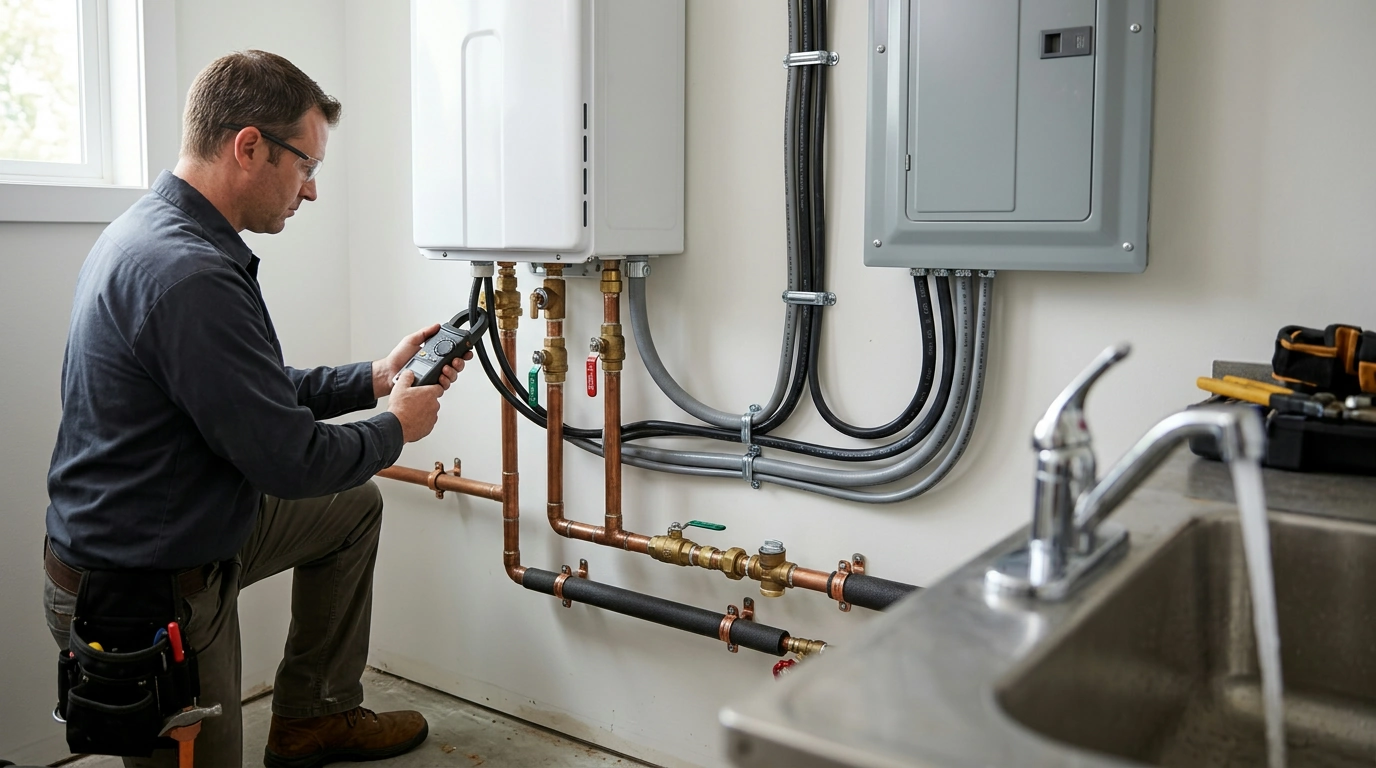
Electric Tankless Water Heater: Fast Hot Water, Lower Standby Loss, and a Cleaner Install
An electric tankless water heater warms water only when a tap turns on, which can cut wasted energy and free up space compared with bulky tank-style heaters. The best results come from matching the unit to your home’s incoming water temperature, your expected peak flow rate, and the electrical capacity available where the heater will be installed. Get those three pieces right, and you’ll enjoy quick, consistent hot water without the footprint of a storage tank.
How electric tankless water heating works
Electric tankless units are designed around speed and precision. Instead of storing hot water, they heat water as it passes through the heat exchanger.
- A flow sensor detects water movement and triggers electric heating elements to energize within seconds.
- A thermostat and control board modulate power to hold a selected outlet temperature setpoint.
- Performance is limited by how many gallons per minute (GPM) the unit can raise from incoming temperature to your target temperature.
- Most units require dedicated high-amperage circuits, so your electrical service size can determine which models are realistic.
If you’re comparing options, the most helpful spec is the unit’s flow rate at a specific temperature rise—not just a single “max GPM” number.
Benefits and tradeoffs to consider
Tankless water heating can feel like a major upgrade, but it’s not one-size-fits-all. Here’s what tends to matter most in real homes.
Key benefits
- Space-saving footprint: Compact, wall-mount designs can fit in utility rooms, closets, garages, or closer to the fixtures they serve.
- Lower standby loss: With no stored tank of hot water, there’s no ongoing heat loss from a big reservoir.
- Hot water on demand: During long draws (like back-to-back showers), you won’t “run out” as long as you stay within the heater’s capacity.
Common tradeoffs
- Higher upfront electrical work: Many installs require new breakers, heavier-gauge wiring, or even an electrical service upgrade.
- Winter performance can drop: Colder incoming water means the unit must work harder, often reducing the max usable flow.
- Simultaneous fixtures compete for capacity: If a shower, dishwasher, and sink run together, the unit may reduce flow or deliver slightly cooler water.
For a deeper efficiency overview, the U.S. Department of Energy explains how demand-type heaters reduce standby losses and what to watch for in real-world use: Tankless or Demand-Type Water Heaters.
Sizing basics: matching flow rate to temperature rise
Correct sizing is the difference between “endless hot water” and lukewarm surprises. Start by estimating peak simultaneous demand, then check whether the unit can deliver that flow at your expected temperature rise.
- Add up fixture flow rates: Consider what may run at the same time—shower, sink, dishwasher, washing machine—and total the GPM.
- Calculate temperature rise: Target hot water temperature minus incoming cold water temperature (which is often lowest in winter).
- Understand the trade: Higher temperature rise requires more power. If power is capped, the unit may reduce flow or output temperature.
- Verify whole-home feasibility: For larger homes, confirm panel capacity and breaker space can support the amperage required.
Quick sizing factors at a glance
| Sizing factor | What to check | Why it matters |
|---|---|---|
| Peak simultaneous use | Count fixtures likely used together | Sets the required flow rate |
| Incoming water temperature | Seasonal cold-water temp at the home | Colder water needs more heating power |
| Target outlet temperature | Typical setpoint (e.g., 110–120°F) | Higher setpoints increase required power |
| Electrical capacity | Service amperage, panel space, wire gauge | Determines which units can be installed safely |
| Installation location | Distance to fixtures, ventilation clearances | Affects wait time and overall convenience |
To reduce demand without sacrificing comfort, efficient fixtures can help keep required flow rates manageable. EPA WaterSense provides practical guidance and labeling for water-saving fixtures: U.S. EPA WaterSense.
Electrical and installation considerations
Electric tankless heaters are compact on the wall, but they can be demanding at the panel. Planning ahead helps avoid surprise add-ons during installation.
If you’re weighing efficiency certifications across water-heating options, ENERGY STAR maintains a product overview that can help frame comparisons: ENERGY STAR Water Heaters.
Operating costs, efficiency, and what affects performance day to day
Maintenance and lifespan expectations
Featured options available now
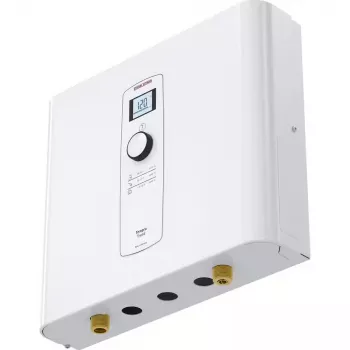
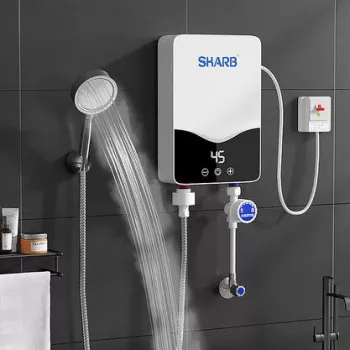
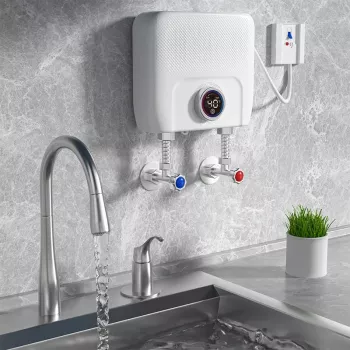
- Electric Tankless Water Heater — A compact on-demand solution for homes or targeted zones that need reliable hot water without a storage tank.
- Luxury High-Back Recliner Sofa Set — An upgrade for lounging comfort that pairs well with a comfort-focused home refresh.
- Vintage Resin Vase — A simple décor add-on for utility-room shelves, hall consoles, or bathroom styling.
FAQ
Can an electric tankless water heater run a shower and a sink at the same time?
Yes—if the unit’s rated flow at your needed temperature rise covers the combined flow of both fixtures. In colder months, available flow can drop because the heater must raise the water temperature more.
Do electric tankless water heaters need special wiring?
Often, yes. Many models require dedicated 240V circuits, multiple breakers, and specific wire gauges, and the installation should follow the manufacturer’s requirements and local electrical codes.
How often should an electric tankless water heater be descaled?
It depends on water hardness and usage. In hard-water homes, descaling every 6–12 months is common, while softer water can allow longer intervals—watch for reduced flow or less stable temperature as a sign it’s time.












Leave a comment