Eco-Friendly Travel Packing Checklist for Low-Waste Trips
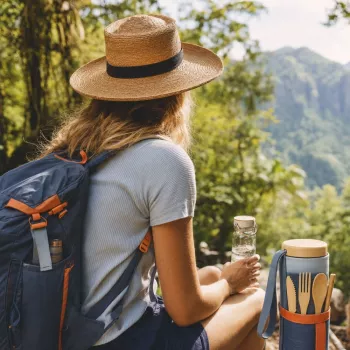
Eco-Friendly Traveler Checklist: Pack Light, Waste Less, Enjoy More
Sustainable travel gets easier when the basics are decided before the suitcase opens. A simple, repeatable checklist helps cut single-use plastics, prevents last-minute purchases, and keeps trips comfortable without overpacking. Our eco-friendly traveler checklist is designed for real-life travel days—airport security, day trips, laundry on the go, and the small choices that add up to a lower-waste routine.
If you want a ready-to-use version you can keep on your phone (or print once and reuse), our team made the Eco-Friendly Traveler Checklist (digital download) to make packing faster and more consistent trip after trip.
Start With a “Zero-Waste Core Kit” That Works Anywhere
Your core kit should be small enough that you’ll actually bring it, but useful enough that it replaces the items you’re most often handed. Start with the essentials below, then remove anything you don’t realistically use.
- Reusable water bottle: prioritize one you’ll actually carry; refill at airports, hotels, and public fountains.
- Collapsible tote or day bag: replaces shopping bags and doubles as a beach/market bag.
- Reusable cutlery or spork + small container: useful for street food, leftovers, and snacks.
- Reusable straw (optional): best for smoothie/iced drink fans; skip if it won’t get used.
- Cloth napkin or bandana: replaces paper napkins and works as a quick wipe or dust cover.
- Refillable travel bottles/solid bars: reduce mini-toiletries and make TSA checks smoother.
Quick Swap Guide: Common Travel Items vs. Lower-Waste Alternatives
| Common item | Lower-waste swap | Why it helps |
|---|---|---|
| Plastic water bottles | Reusable bottle | Cuts single-use plastic and saves money on refills |
| Plastic shopping bags | Foldable tote | Prevents bag waste and handles unexpected purchases |
| Single-use utensils | Reusable spork/cutlery | Reduces disposable plastics from takeout and food stalls |
| Mini liquid toiletries | Solid shampoo/soap bars or refillables | Less packaging and fewer leak problems in luggage |
| Paper towels/napkins | Cloth napkin/bandana | Reusable for meals, quick cleanups, and small spills |
| Disposable snack packs | Snack container + bulk snacks | Less packaging and easier portioning for long travel days |
Pack Clothing With a Rewear-and-Wash Plan (Not “Just in Case”)
The lightest suitcase is the one built around repeats. Instead of packing for every possible scenario, pack for your real schedule plus a simple wash plan.
- Choose a capsule palette: 2–3 main colors so everything mixes easily.
- Aim for rewearable layers: one warm layer, one rain/wind layer, and a versatile mid-layer.
- Bring items that dry fast: helpful for sink laundry and reduces reliance on hotel laundry services.
- Limit shoes to what you’ll use: daily walking pair + one optional pair for specific activities.
- Include one “repair-ready” mini kit: a couple of safety pins and a small sewing option can extend garment life on the road.
Our rule of thumb: if you can’t picture wearing it at least twice (or it doesn’t fill a true function like rain protection), it’s usually not earning its space.
Toiletries and Personal Care: Low-Waste Without Losing Comfort
Toiletries are where “convenience” often turns into tiny plastic bottles you didn’t need. A few swaps can keep your routine intact while reducing packaging and spills.
- Switch to solids where practical: shampoo bar, soap bar, and solid deodorant reduce liquids and packaging.
- Bring refillables for essentials that must be liquid: sunscreen and moisturizer in reusable travel bottles.
- Skip “free samples” unless needed: they often become landfill later; carry only what will be used.
- Add a simple laundry option: a small soap sheet pack or a tiny portion of laundry powder in a sealed container can prevent overpacking clothes.
- Travel-size dental care: a bamboo toothbrush (or keep your existing one longer) and toothpaste tablets if preferred.
Food, Coffee, and Snacks: The Easiest Place to Cut Single-Use
For broader everyday guidance on waste reduction habits, the U.S. EPA’s “Reduce, Reuse, Recycle” resources are a helpful baseline: https://www.epa.gov/recycle.
Transit and Day Trips: Small Habits That Reduce Waste Fast
If your trip includes parks, beaches, or trails, the Leave No Trace Seven Principles are worth a quick refresh before you go: https://lnt.org/why/7-principles/.
Use a Checklist That’s Easy to Reuse for Every Trip
Digital Download: Eco-Friendly Traveler Checklist (Ready to Print or Use on Your Phone)
If you want a structured list that’s already organized around low-waste habits, our team built the Eco-Friendly Traveler Checklist (digital download) to reduce decision fatigue before every departure. It’s designed to help you skip disposables, avoid “emergency purchases,” and repeat the same simple packing rhythm for weekend trips or long journeys.
And because travel can be physically demanding (planes, long drives, lots of walking), some travelers also like to build a recovery routine into their packing. If that’s you, consider adding our Muscle Relaxation Toolkit for Total Tension Relief – 3-in-1 Bundle for Deep Muscle Relaxation to your “after-transit” plan, so you can stay comfortable without relying on last-minute purchases at tourist prices.
FAQ
What should be in a zero-waste packing list for beginners?
Start with a small reusable core kit: a water bottle, tote, utensil/spork, snack container, cloth napkin/bandana, and refillable or solid toiletries. Add only what matches your habits so everything you pack gets used.
How can travel be more sustainable without buying a lot of new gear?
Use what you already own first: any reusable bottle, an existing tote, and whatever refillable containers you have. Focus on rewearable clothing, a simple snack plan, and reusables that replace the single-use items you encounter most often.
Are solid toiletries better for eco-friendly travel?
Often yes—solids can cut packaging, reduce spill risk, and make carry-on rules easier. The best setup is the one you’ll stick with: solids where practical, refillables where needed.












Leave a comment