Build a Signature Style People Recognize (Fast)
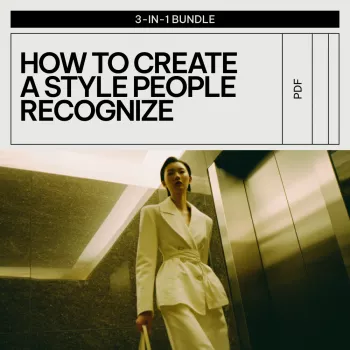
A recognizable style isn’t about wearing the same outfit every day—it’s about repeating a few intentional choices so your look feels consistent, personal, and easy to recreate. When you decide what stays the same (and what doesn’t), getting dressed becomes faster, shopping gets smarter, and your outfits start to read as unmistakably “you” in any setting.
What makes a style feel recognizable
Recognition comes from consistency across a few repeatable elements: color, silhouette, textures, accessories, and even small grooming details. Most people’s “style signature” is really just 3–5 decisions that show up again and again—think sharp tailoring + monochrome + gold jewelry, or relaxed denim + crisp button-downs + clean sneakers.
That’s why recognizable doesn’t have to mean trendy or expensive; it means coherent and intentional. The payoff is practical: less outfit guesswork, more confidence, and a visual continuity that makes your wardrobe feel like it all belongs together.
Define your fashion identity in 10 minutes
Start by choosing three identity words—how you want clothes to make you feel. Examples: “polished, creative, grounded” or “minimal, bold, romantic.” Next, choose three context words that reflect real life: office-heavy, client-facing, travel, school pickup, events. Combine them into a one-sentence style statement, such as: “Polished and modern for a client-facing week, with a creative twist in accessories.”
Finally, set a boundary: 1–2 things that are not your style (overly fussy details, loud logos, scratchy fabrics). Boundaries protect your signature from drifting.
Signature Style Blueprint (fill-in guide)
| Element | Decide with these questions | Example directions |
|---|---|---|
| Core mood | What should an outfit communicate before you speak? | Approachable polish; clean and intentional |
| Color anchors | Which 2–3 neutrals and 1–2 accents repeat easily? | Black + cream + camel; accent: emerald |
| Silhouette bias | Which shapes flatter and feel like you? | Long line, structured shoulders, high waist |
| Texture/finish | Which materials make your look distinct? | Matte knits, crisp cotton, leather accents |
| Accessory signature | What can you repeat daily? | Gold hoops, slim watch, sleek belt |
| Footwear lane | Which 2–3 shoe types cover most days? | Loafers, minimal sneakers, block-heel boots |
Build a small set of non-negotiables
Choose 5–7 “signature pieces” you can point to as unmistakably you—your blazer style, your denim cut, your dress shape, your knit type. Then add two “signature details” that repeat easily (a collar style, a sleeve shape, a scarf habit, a consistent eyeliner vibe, or a nail color family).
Next, pick one consistent styling move you can do on autopilot: always tuck, always belt, always roll sleeves, always go monochrome, always add a structured bag. The best signatures are realistic—aligned with comfort, climate, and what your days actually require.
Closet audit: keep, tailor, retire
Pull 15 outfits you genuinely wear (not the ones you wish you wore). Write down what they have in common: color families, necklines, proportions, shoe types, jewelry scale. Those overlaps are clues to your emerging signature.
Then look for “almost” items—great fabric, wrong fit. A hem, waist adjustment, sleeve shortening, or shoulder tweak can move an item from “rarely” to “weekly.” On the flip side, retire “fantasy life” pieces that compete with your identity words and sit unused. Finish with a one-page gap list: the top 10 missing items that would complete repeatable outfit formulas, so shopping stays targeted instead of random.
Choose a color palette that repeats effortlessly
Start with 2–3 neutrals you naturally reach for and make sure they mix well (navy + ivory + gray is an easy example). Then add 1–2 accent colors that flatter you and show up best in smaller doses—tops, accessories, scarves, bags, or a statement shoe. If you want guidance on color direction, resources like the Pantone Color Institute can help you name and repeat shades consistently.
Use prints sparingly and intentionally; treat them like accents that still coordinate with your base neutrals. If you’re overwhelmed, default to a “uniform lane” for a month: monochrome, tonal dressing (multiple shades of one color family), or a clean two-color combo.
Create outfit formulas (the fastest path to consistency)
Outfit formulas are repeatable structures, not identical outfits. Write 5–8 formulas that fit your actual week, then assign them to situations so getting dressed becomes automatic: work, off-duty, event, travel.
Examples that build recognition quickly:
Shop with rules that protect your signature style
Use a personal styling checklist to stay consistent
Once a month, review what you wore most and refine your formulas accordingly. Each season, refresh 1–2 items per formula instead of reinventing your whole wardrobe; the signature stays intact while the details evolve. For ongoing inspiration and industry context, browsing organizations like the Council of Fashion Designers of America (CFDA) or runway-to-street coverage at Vogue can help you spot which trends genuinely fit your blueprint.
A structured way to develop your signature style faster
- How to Create a Style People Recognize – 3-in-1 Digital Bundle on how to develop a signature style | Fashion Identity, Personal Styling Checklist & Developing a Signature Style
- Muscle Relaxation Toolkit for Total Tension Relief – 3-in-1 Bundle for Deep Muscle Relaxation (helpful if tension or decision fatigue makes getting dressed feel harder than it needs to)
FAQ
How long does it take to develop a signature style?
Most people notice real consistency in about 2–8 weeks. Starting with a small palette and 3–5 outfit formulas gets results faster than trying to overhaul everything at once.
Can a signature style change over time?
Yes—your core can stay consistent while details evolve. Keep your anchors (palette, silhouettes, signature accessories) and adjust one element per season so you grow without losing your identity.
What if my wardrobe feels random and nothing matches?
Build a neutral base, choose one accent color, and create three starter formulas you can repeat weekly. Then make a short gap list and tailor or retire “almost” items so your closet starts working as a system.











Leave a comment