Budget Like a Boss: Printable Budgeting Checklist
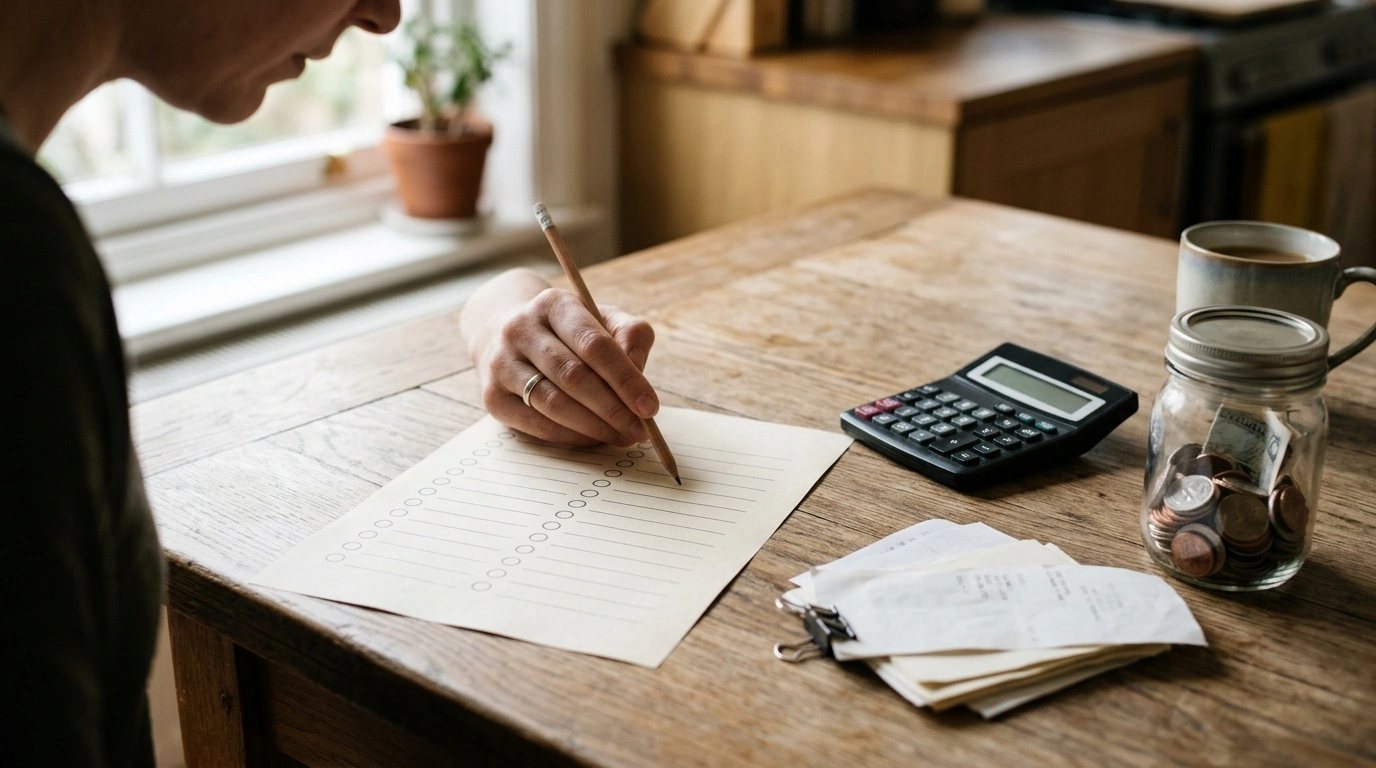
A budget doesn’t have to be complicated to be useful. A simple plan can show you what money is coming in, what needs to be paid, and what you can set aside for the things that matter to you. Our printable checklist makes those first steps easier to organize, whether you’re starting from scratch or refreshing an existing budget.
Start with a Clear Picture of Your Money
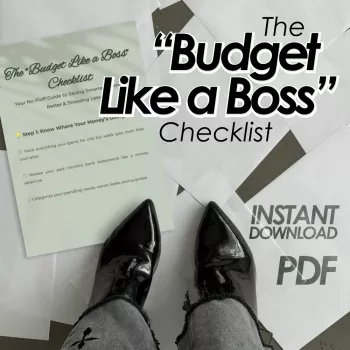
Our Budget Like a Boss Checklist is a digital download and printable budgeting guide designed to help you learn the basics of budgeting and saving. Keep it near your bills or planning materials as a reminder to work through the essentials.
Begin by listing your take-home income: the money you receive after taxes and other deductions. Include other reliable income you expect during the same period. Then write down regular expenses, such as rent or mortgage payments, utilities, groceries, transportation, and debt payments. Comparing these totals gives you a starting point for deciding where your money needs to go.
A realistic budget also leaves room for personal priorities when possible. You may value a weekly coffee, a hobby, or a contribution toward a future purchase. The goal is to make those choices intentionally while covering your necessities, not to pretend you’ll never spend money on anything enjoyable.
Build a Budget You Can Follow
Before assigning amounts, gather recent bills, bank statements, and spending records. A month or two of records can help you spot expenses you might otherwise forget, from subscriptions to parking fees. If an expense changes from month to month, use a reasonable estimate and update it as you learn more.
Next, group your spending into essentials, flexible spending, and savings. Essentials are the costs you need to cover; flexible spending includes purchases you can adjust more readily. Your savings category gives money a purpose before it gets absorbed into everyday spending.
| Category | Examples | Planning prompt |
|---|---|---|
| Income | Take-home pay and other reliable income | How much money is available? |
| Essentials | Housing, groceries, and utilities | Which costs need to be covered first? |
| Flexible spending | Dining out and entertainment | Where can spending be adjusted? |
| Savings | Emergency fund or a planned purchase | What amount can be set aside? |
Add up your planned spending and savings, then compare the total with your income. If the total is higher than your income, look for categories you can reduce or postpone. If there’s money left over, decide whether it should go toward savings, debt, an upcoming bill, or another priority.
Remember expenses that don’t arrive every month, too. Annual fees, gifts, and car maintenance can be easier to manage when you set aside a little for them regularly. For another straightforward overview, see Consumer.gov’s guide to making a budget.
Make Saving Part of the Plan
Choose a specific goal and an amount that fits your current budget. You might start an emergency fund, prepare for a bill, or save for something you’ve been planning to buy. A modest contribution is a practical starting point if that’s what you can comfortably afford.
Give your goal a target amount and, if useful, a target date. Divide the amount you want to save by the number of months available to see what monthly contribution would be needed. If that amount doesn’t fit, adjust the timeline or goal rather than relying on a number that leaves your essentials uncovered.
Check your spending regularly and redirect available money toward your goal when you can. For example, spending less than expected on takeout one month might free up a small contribution. The Consumer Financial Protection Bureau’s emergency fund guide offers more ideas for building a cushion. Results will depend on your income, expenses, and habits.
Keep Your Checklist Handy
A printable guide can make your next review feel less daunting. Use it as a reminder to look at income, spending, and savings together, rather than focusing on just one part of your finances. You can keep your notes alongside it and compare your plan with what you actually spent.
Consider a monthly review, with an extra check whenever your income, bills, or priorities change. If a category consistently runs over, adjust the amount or make a specific change to your spending. A budget is a working plan, so revising it is part of making it useful.
For a planned home purchase, you can also use your budget to decide whether and when it fits. For example, if our Vintage Resin Vase is on your wish list, compare its cost with your flexible spending or set a separate savings goal before buying.
Ready to get started? Explore our Budget Like a Boss Checklist, available as a digital download for $4.99. Our team recommends starting with the numbers you have today and updating your plan as your circumstances change.
FAQ
Is the Budget Like a Boss Checklist a physical product?
No. It is a digital download and printable budgeting guide.
Can beginners use a budgeting checklist?
Yes. A checklist can help beginners organize basic tasks such as reviewing income, expenses, and savings.
How often should I review my budget?
A monthly review is a useful starting point. Review it again when your income, expenses, or financial priorities change.















Leave a comment