Best Apps for Outfit Ideas: Closet, AI & Planning Checklist
What Apps Help Find Outfit Ideas: Ultimate Checklist for Effortless Fashion Inspiration
Outfit-inspiration apps can do more than show pretty pictures—they can help build looks from what’s already in a closet, recommend silhouettes for a body type, save mood boards, and even plan weekly outfits. This guide breaks down the most useful app categories, what to look for before downloading, and a simple checklist to turn inspiration into wearable outfits.
Start With the Result You Want
Outfit apps work best when they’re used for one clear goal at a time. Before downloading (or before opening yet another app you already have), decide what “success” looks like for the next week.
- Define the use case: daily outfit planning, event dressing, work capsule building, or trend discovery.
- Pick one primary style direction for the week: minimal, sporty, romantic, streetwear, classic, or elevated basics to reduce decision fatigue.
- Set constraints upfront: weather, dress code, comfort level, and footwear needs (commuting, walking, standing, driving).
- Decide whether the goal is to shop less or shop smarter: closet tools help you rewear; discovery tools help you refine.
The Main Types of Outfit-Idea Apps (and When to Use Each)
Most apps fall into a few categories. The best setup is often a “pair” (one discovery tool + one closet/planner tool), so inspiration can become outfits you’ll actually wear.
- Visual discovery apps: best for quick inspiration, trend spotting, and building mood boards.
- Digital closet apps: best for recreating outfits from owned pieces and reducing duplicate purchases.
- Outfit planners/calendars: best for weekly planning, travel packing, and preventing repeat outfits.
- AI styling & recommendation apps: best for “what goes with this?” prompts, color pairing, and silhouette suggestions.
- Secondhand and resale apps with styling: best for budget-friendly outfit building and unique finds.
App categories that generate outfit ideas (quick match guide)
| App category | Best for | Typical features to look for | Watch-outs |
|---|---|---|---|
| Visual discovery | Fresh outfit ideas fast | Boards, saves, related looks, outfit tags | Can lead to impulse buying; verify practicality |
| Digital closet | Using what you already own | Item catalog, outfit builder, cost-per-wear, outfit stats | Manual uploads can be time-consuming without batch tools |
| Outfit planner | Weekly outfits and packing | Calendar, weather integration, repeat tracking | Overplanning can reduce spontaneity; keep it flexible |
| AI styling | Pairing help and “complete the look” | Smart suggestions, color palettes, style quizzes | Results vary; check recommendations against fit and lifestyle |
| Resale + styling | Building outfits affordably | Bundles, stylist picks, saved searches | Sizing inconsistency; confirm measurements and return rules |
How to Choose an Outfit-Idea App Without Wasting Time
The best app is the one you’ll actually use on a busy morning. Look for these practical signals before committing.
- Check input effort: can items be added quickly (photo recognition, bulk import), or is everything manual?
- Confirm the styling workflow: does it suggest complete outfits, or only show inspiration images?
- Look for real-life filters: occasion, climate, modesty preferences, comfort, and footwear.
- Assess budget alignment: does it push constant shopping, or support closet-based styling?
- Review privacy basics: camera/photos permissions, account creation requirements, and data sharing disclosures (check the Apple App Store privacy labels and the Google Play data safety section).
- Prioritize export/share options: saving outfits, creating packing lists, and sharing boards.
A Simple Process to Turn Inspiration Into Wearable Outfits
Apps feel “magical” when there’s a repeatable routine behind them. Use this five-step loop to turn saves into outfits that survive your schedule.
- Step 1: Save 10–20 looks that match the next 7 days (work, errands, social plans, weather).
- Step 2: Identify repeat patterns: 2–3 core silhouettes, 2–3 go-to color pairings, 1 signature layer (jacket, cardigan, blazer).
- Step 3: Rebuild each look using closet items first; note any true gaps (not “nice-to-haves”).
- Step 4: Create 5–7 outfit formulas (example: straight-leg jeans + knit + structured outerwear; or midi skirt + tee + sneakers).
- Step 5: Save outfits into a weekly plan; keep 1–2 “swap” options for weather and mood changes.
If you also like tracking seasonal releases and runway timing for trend context, the CFDA resource hub is a helpful industry reference—but the best “trend” is still the one you can wear repeatedly.
Common Mistakes That Make Outfit Apps Feel Useless
Checklist: Faster Outfit Ideas With Less Overwhelm
Printable Guide and Ready-to-Use Checklists
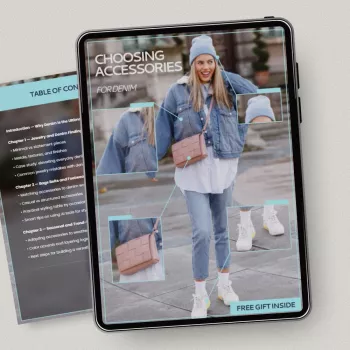
For a structured, step-by-step system—covering app selection, outfit formulas, wardrobe gaps, and weekly planning—use the downloadable checklist pack designed for effortless fashion inspiration: Ultimate Checklist for Effortless Fashion Inspiration.
Helpful add-ons for a smoother getting-ready routine
- Muscle Relaxation Toolkit for Total Tension Relief – 3-in-1 Bundle for Deep Muscle Relaxation (for decompressing after long days or travel so planning outfits feels easier)
FAQ
Which apps are best for outfit ideas without buying new clothes?
Digital closet and outfit-planner apps are the strongest options because they let you build outfits from pieces you already own, track wears, and save repeatable formulas. Start by adding 30 core items (tops, bottoms, layers, shoes) and create 5–7 mix-and-match outfits you can rotate.
How can outfit apps help build a capsule wardrobe?
Use saved looks to spot your most repeated silhouettes, then limit your weekly palette so everything pairs easily. Wear tracking helps identify true “workhorse” items, while outfit planning reveals real gaps (the one layer or shoe style that unlocks multiple outfits).
What should be avoided when using AI styling suggestions?
AI results can be inconsistent, so avoid treating suggestions as a final answer—validate against fit, comfort, dress code, and weather. Also avoid impulse buys from “complete the look” prompts; keep a personal rule that any new item must work with at least three outfits you already saved.










Leave a comment