Baby Teething Signs Checklist (48–72 Hour Tracker)
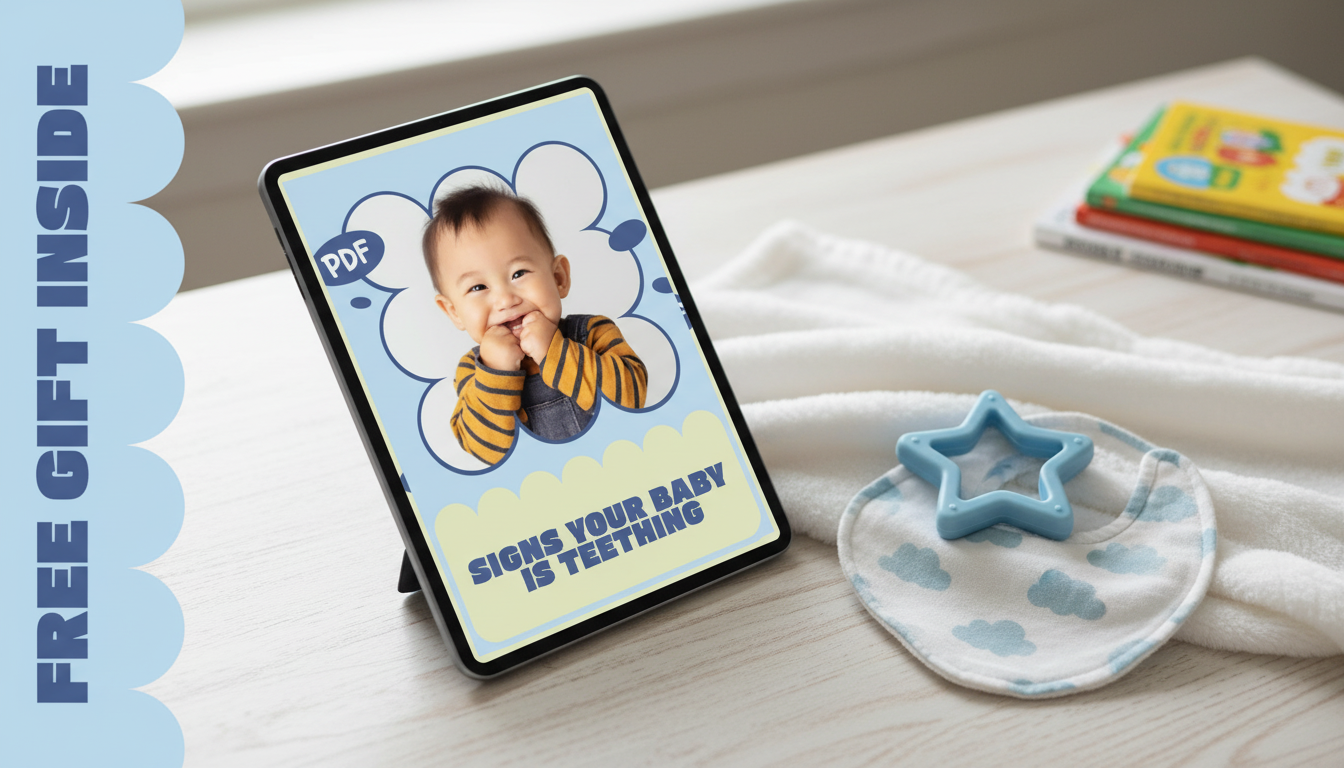
Signs Your Baby Is Teething: A Quick Checklist for New Parents
Teething can look different from baby to baby, and many common behaviors overlap with everyday fussiness, growth spurts, or minor illnesses. A simple checklist helps new parents track patterns over a couple of days, try comfort measures that are safe, and know when symptoms might be unrelated to teeth. The goal is not to “diagnose” teething, but to spot a cluster of signs and respond with soothing routines while staying alert for red flags.
When teething usually starts (and what “normal” looks like)
Many babies begin teething around 4–7 months, but the timeline can vary a lot. Some babies show signs earlier, while others won’t cut a first tooth until later in the first year. Timing alone doesn’t confirm anything—patterns matter more than the calendar.
Teething often comes in waves: a few uncomfortable days, then a calmer stretch, then another round with the next tooth. Drooling and chewing may ramp up before you see anything in the gums. In some babies, gum swelling or a slightly raised ridge shows up right before eruption.
Sleep disruptions and clinginess can also appear during teething windows—especially at night. Lying down can make gum pressure feel more intense, and babies who could previously settle quickly may suddenly need extra help for a few nights.
For general timing and what to expect, the American Academy of Pediatrics overview is a helpful reference: American Academy of Pediatrics — Teething: 4 to 7 Months.
Common signs that often point to teething
Teething is more likely when several of these show up together (rather than just one):
- Increased drooling that soaks bibs/clothes and can cause mild irritation on the chin, neck, or chest.
- Chewing more than usual on hands, toys, or fingers—babies often seek firm pressure on the gums.
- Swollen or tender gums and a slightly raised ridge where a tooth is coming through.
- Fussiness and irritability that’s worse in the late afternoon or evening.
- Feeding changes such as pulling off the bottle/breast, shorter feeds, or wanting to nurse mainly for comfort (some babies do the opposite and prefer chewing).
- Ear rubbing or cheek rubbing on the same side as the erupting tooth, due to referred discomfort.
- Mild temperature elevation can happen, but a true fever should be treated as a separate concern.
Teething sign tracker (use for 48–72 hours)
| Sign | What it can look like | Helpful notes |
|---|---|---|
| Drooling | Constant wet chin/bibs, drool rash | Use a barrier ointment on irritated skin; change bibs often |
| Chewing | Gnawing on hands/toys, biting nipples | Offer a clean, chilled teether; avoid frozen items that can injure gums |
| Gum changes | Puffy gums, visible white line, tenderness | Wash hands and gently feel gums; stop if baby is distressed |
| Sleep disruption | More night waking, shorter naps | Try extra calming at bedtime; keep routine consistent |
| Feeding changes | Pulling off, refusing, comfort nursing | Offer smaller, more frequent feeds; watch hydration (wet diapers) |
| Mood changes | Clingy, fussy, harder to settle | Use soothing techniques; track if it coincides with other symptoms |
What teething usually does not cause
Teething can be uncomfortable, but it shouldn’t be used to explain symptoms that need medical attention. The following are not typical “just teething” issues:
If you’re unsure whether a symptom fits teething, it’s reasonable to treat it as “not just teething” until a pediatric clinician says otherwise. The NHS teething guidance is also a practical cross-check for what’s typical vs. concerning: NHS — Teething.
Comfort measures that are generally considered safe
- Chilled (not frozen) teethers or a clean, cool washcloth to chew. Cold can reduce gum inflammation, but very hard frozen items can bruise sensitive gums.
- Gentle gum massage with a clean finger for short periods, stopping if baby becomes upset.
- Extra cuddling, rocking, and calming routines, especially during transitions and at bedtime when discomfort can feel stronger.
- Drool rash care: wipe gently (don’t scrub) and apply a thin barrier ointment to protect irritated skin.
- Medication only with guidance: if pain relief is needed, ask a pediatric clinician about age-appropriate options and dosing.
- Avoid benzocaine numbing gels and unverified remedies unless a clinician specifically recommends them. The FDA has issued safety warnings about benzocaine products for teething pain: U.S. FDA — Benzocaine and teething pain (safety warning).
How to use a printable checklist without overthinking it
Printable checklist option for quick, consistent tracking
Recommended resources (in stock)
- Printable teething signs checklist — a quick, one-page tracking guide for 48–72 hours.
- Peaceful Nights System for Worried Sleepers – 4-in-1 Bundle to Calm Kids’ Night Fears — a structured option for families also working on bedtime calm and consistency.
- Muscle Relaxation Toolkit for Total Tension Relief – 3-in-1 Bundle for Deep Muscle Relaxation — a parent-focused resource for winding down during stressful stretches.
FAQ
Can teething cause a fever?
A slight temperature increase can happen, but a true fever (commonly 100.4°F / 38°C or higher in infants) shouldn’t be assumed to be from teething. Contact a pediatric clinician for guidance based on your baby’s age and symptoms, especially if fever is accompanied by poor feeding, unusual sleepiness, or fewer wet diapers.
How long do teething symptoms usually last?
Discomfort often peaks for a few days around when a tooth is about to break through the gum, then eases. Symptoms can return in waves with each new tooth, so tracking for 48–72 hours helps you spot patterns and reassess if signs persist or worsen.
What are safe ways to soothe teething pain?
Commonly used options include chilled (not frozen) teethers, a cool washcloth to chew, gentle gum massage, and protecting skin from drool rash. If pain relief is needed, ask a pediatric clinician about appropriate options and dosing, and avoid benzocaine numbing gels and unverified remedies.
















Leave a comment