App-Control Self-Cleaning Litter Box Tips for Multi-Cat Homes
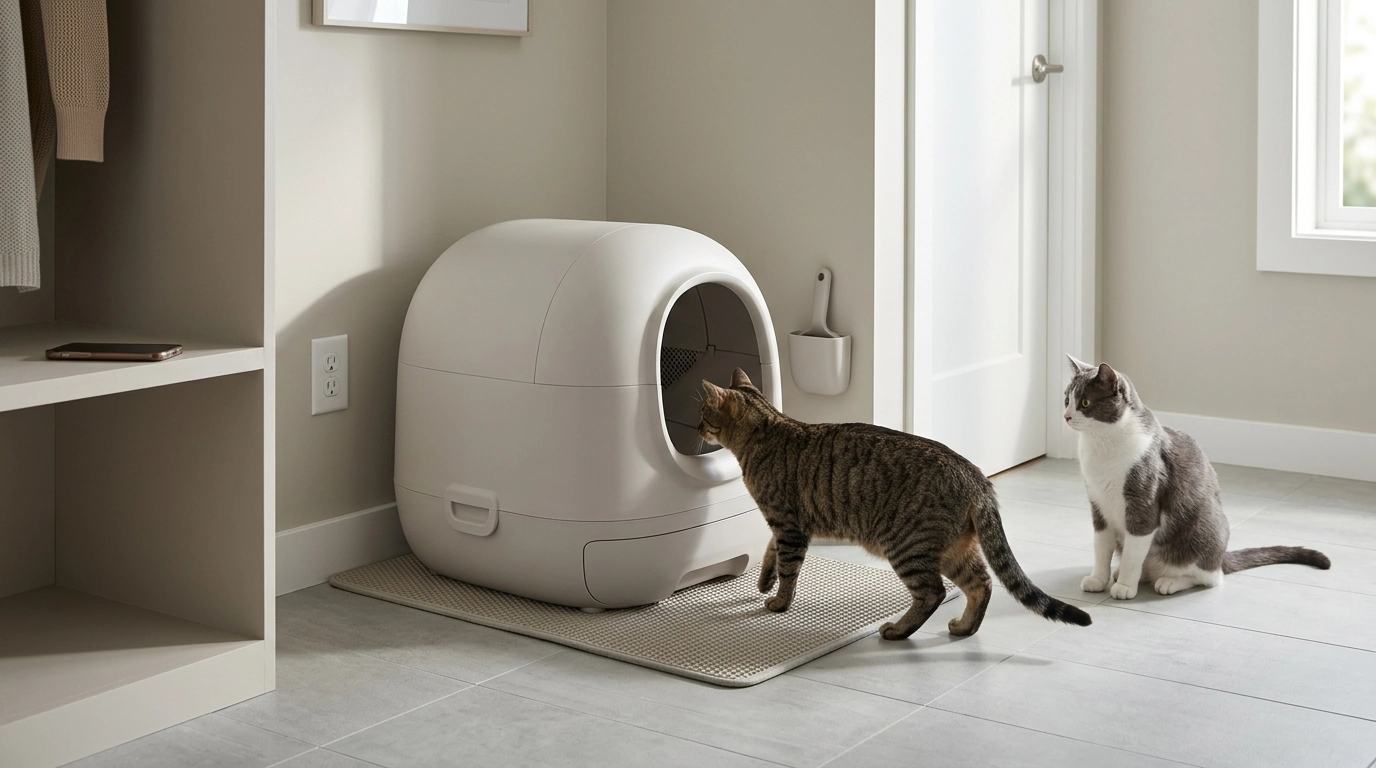
Smart Self-Cleaning Litter Boxes for Multiple Cats: Cleaner Days, Less Scooping
Keeping a litter area fresh in a multi-cat home is a daily challenge: more visits, faster odor buildup, and more frequent scooping. A smart self-cleaning litter box with app control automates waste removal, tracks usage patterns, and helps maintain a cleaner space with less hands-on work—especially when several cats share one box.
What Makes a Smart Self-Cleaning Litter Box Work Well for Multiple Cats
Not all automatic boxes handle shared use the same way. In multi-cat homes, the best systems focus on quick reset time, odor containment, and safe operation when curious cats linger nearby.
- Automatic cleaning cycles: Units that separate clumps after each visit help keep the litter bed consistent for the next cat—reducing the “ew” factor that can trigger avoidance.
- App scheduling and notifications: Alerts reduce the guesswork of when to empty the waste drawer, which is often the difference between “no smell” and “sudden stink.”
- Multi-cat usage tracking: Seeing trends can help you spot changes in frequency that may signal stress or health issues. For background on cat wellness and behavior, see the American Veterinary Medical Association (AVMA) cat care resources.
- Odor-control design: Sealed waste compartments and compatible filters/deodorizers (model-dependent) help slow odor spread in busy boxes.
- Safety features: Sensors that pause cleaning when a cat is detected are essential for shared setups and kittens that may investigate moving parts.
App Control: Daily Convenience and Better Habits
App control isn’t just about turning the box on and off—it’s about building a low-effort routine that keeps the unit operating at its best.
- Set cleaning delays: A short delay after use lets clumps form, reducing smear and improving rake/rotation performance.
- Use alerts to prevent odor spikes: Full-bin notifications, error states, and maintenance reminders help you handle issues before cats start avoiding the box.
- Review usage trends: Patterns can show peak “traffic hours,” so you can time emptying and top-offs strategically.
- Monitor individual patterns when supported: If the app offers multiple profiles, it can be helpful during diet changes or introductions.
- Keep it simple: Check the app once daily, empty the waste drawer on a consistent cadence, and top up litter as needed.
If you’re troubleshooting behavior like avoidance or accidents, it can help to review common causes of house-soiling and litter box stress from Cornell’s Feline Health Center: Feline House-Soiling.
Placement and Setup for Shared Household Success
Even the most advanced self-cleaning litter box can struggle if it’s placed in a stressful or inconvenient spot. Multi-cat households benefit from setup decisions that reduce bottlenecks and startle triggers.
- Choose a low-traffic location: Quiet, predictable areas help cats use the box confidently. Avoid placing it next to loud appliances.
- Add a litter mat: More cats means more foot traffic. A mat catches scatter and helps keep paws and floors cleaner.
- Plan for power and Wi‑Fi: If the unit requires an outlet, confirm cord routing is safe and Wi‑Fi is stable for consistent app features.
- Transition thoughtfully: Keep the old box nearby briefly, while making the new box the “better option” by keeping it fresh and inviting.
- Check size and entry height: Ensure the largest cat can turn comfortably inside and enter without hesitation.
When cats resist a new setup, stress and preference can play a role. The ASPCA’s overview of litter box issues is a useful reference for practical troubleshooting: Litter Box Problems.
Maintenance That Keeps Odor and Mess Under Control
In a multi-cat home, the box can only stay “self-cleaning” if the human maintenance stays consistent. The goal is to keep the mechanism moving freely, the sensors reading correctly, and the waste compartment from becoming an odor source.
Multi-Cat Maintenance Cheatsheet
| Task | Typical cadence (multi-cat home) | Why it matters |
|---|---|---|
| Check app alerts & box status | Daily | Catches full bin/errors before odors start |
| Empty waste drawer | Every 2–5 days (varies by cats/litter) | Prevents odor buildup and overfilled bins |
| Top up litter | 2–3 times per week | Maintains proper clump formation and smooth cycling |
| Wipe entry area & exterior | Weekly | Reduces tracking and keeps the area hygienic |
| Deep-clean interior components | Every 3–6 weeks | Prevents residue, sensor issues, and persistent smells |
When One Box Is Enough—and When It Isn’t
Product Options to Consider
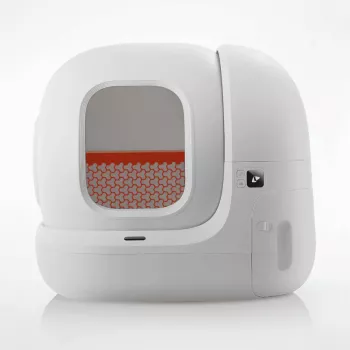
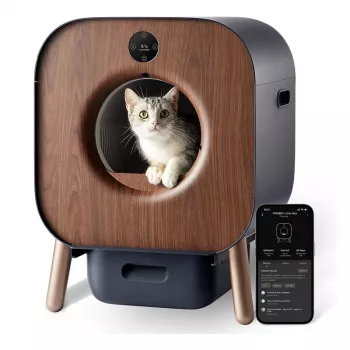
- Smart Self-Cleaning Cat Litter Box with App Control for Multiple Cats — designed to reduce manual cleanouts while supporting shared use with automated cleaning and app-based monitoring.
- Vintage Resin Vase — a simple way to elevate the look of a pet area or entryway near the litter zone (kept well away from the box and out of reach of curious cats).
- Luxury High-Back Recliner Sofa Set — a comfort upgrade for the human side of a busy household, especially in shared living spaces.
FAQ
How many cats can share a self-cleaning litter box?
It depends on your cats’ temperaments, the box’s waste-bin capacity, how reliably it cleans after each use, and how often you empty the drawer. If you see waiting, guarding, or accidents outside the box, it’s a strong sign a second box is needed.
Is app control necessary, or just a nice extra?
It’s not strictly necessary, but alerts and usage tracking can prevent missed cleanouts and help you notice sudden habit changes. The box should still operate safely without constant app interaction, but the app can make daily upkeep more consistent.
What litter works best with automatic self-cleaning boxes?
Follow the manufacturer’s guidance first, since mechanisms and sensors vary. In general, a compatible clumping litter with manageable dust and tracking tends to perform best, while non-clumping or very lightweight litters can interfere with sifting and sensor accuracy.













Leave a comment