AI Skincare Dupes Checklist: Find Budget-Friendly Matches
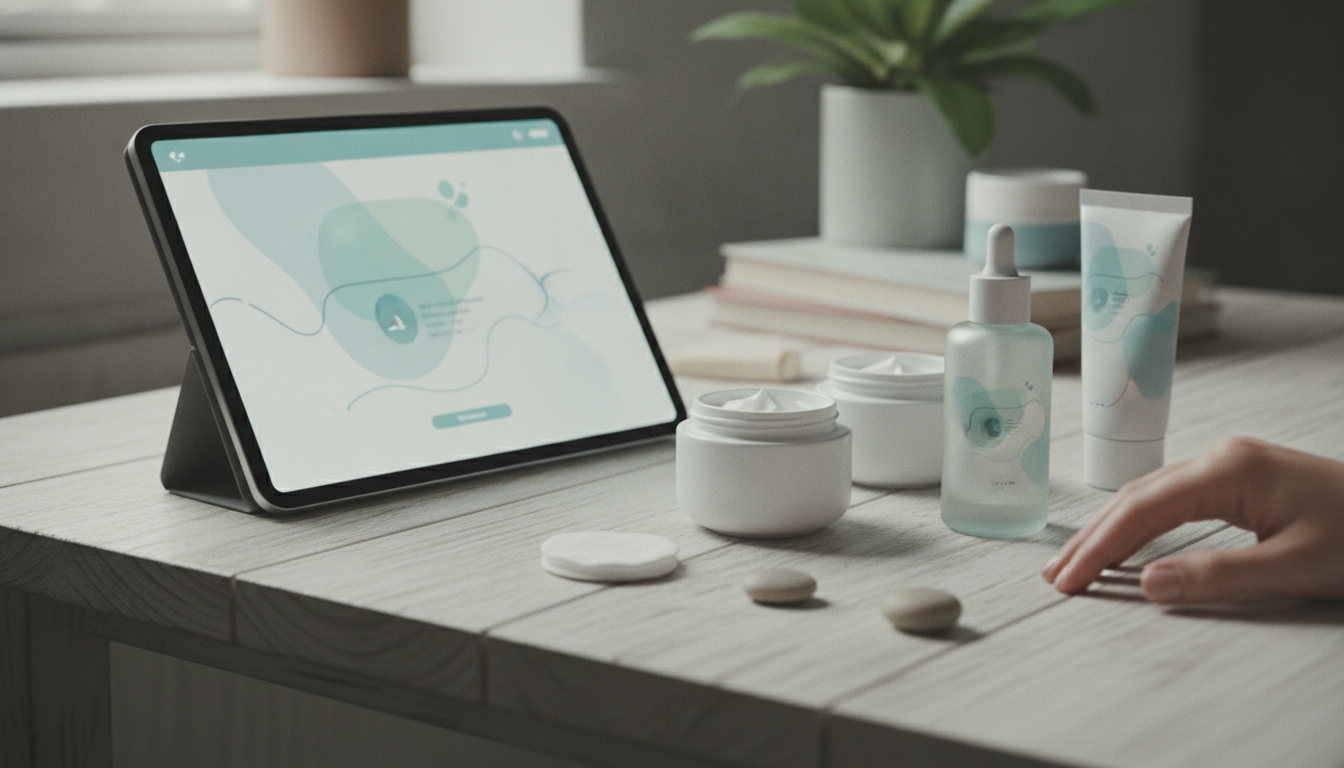
Skincare Dupes, Smarter: A Checklist for Finding Affordable Alternatives With AI
Finding a “dupe” in skincare is less about chasing a brand name and more about matching what matters: actives, concentrations (when disclosed), supporting ingredients, and how a formula behaves on skin. AI tools can speed up comparisons, but the final decision still needs a safety-and-fit check for skin type, sensitivities, and routine compatibility. The checklist below makes the process repeatable—so you can save money without relying on guesswork.
What counts as a skincare dupe (and what doesn’t)
A true dupe matches the purpose and key performance drivers: the primary active(s), the delivery system (for example, encapsulated retinoid vs. free retinol), and the product’s role (cleanser, serum, moisturizer, or sunscreen). Similar packaging, “same vibe,” or sharing one trending ingredient doesn’t make a product a dupe if the rest of the formula behaves differently on skin.
There are two common types:
- Formula dupes: Very similar ingredient lists (INCI), often with small swaps in preservatives, thickeners, or fragrance.
- Function dupes: Similar end result (brightening, barrier support, acne support) using different ingredient routes.
For prescription-strength or regulated treatments (such as tretinoin), prioritize clinically appropriate substitutes with professional guidance rather than trying to “duplicate” a prescription product with over-the-counter lookalikes. For baseline safety and labeling context, the U.S. Food & Drug Administration cosmetics overview is a helpful reference point.
The smart beauty checklist: gather the right inputs first
AI can only compare what you feed it. Before you ask for alternatives, collect the details that actually determine whether a swap works for your skin.
- Copy the full ingredient list (INCI) from the box or brand site; retailer listings can be outdated.
- Write down the product’s job in your routine and constraints: skin type, climate, fragrance preference, acne triggers, and your budget ceiling.
- Identify non-negotiables: the active(s) and the format (gel-cream, balm, milky lotion) that make it comfortable and effective.
- List deal-breakers: denatured alcohol sensitivity, essential oils, certain silicones, niacinamide flush, coconut derivatives, or specific preservatives you avoid.
- Record real-world performance: pilling under sunscreen, stinging, shine level, and how long one bottle lasts.
How AI tools help (and where they can mislead)
Used well, AI can summarize long ingredient lists, cluster products by active families, and generate a shortlist of candidates with similar INCI patterns. It can also flag common irritants or “comedogenic suspects,” but those are not universal rules—tolerance varies widely by person and by the rest of the routine.
Where AI can mislead:
- Concentration guesses: Percentages are usually unknown unless disclosed. Ingredient order doesn’t reliably translate to potency across brands.
- Same INCI, different feel: Two formulas can share many ingredients but feel totally different due to pH, grade, processing, or emulsifier system.
- Missing context: Packaging, stability, and oxidation risk (especially for vitamin C and some retinoids) don’t always show up clearly in a list.
Always validate candidates with manufacturer details, reviews from people with similar skin, and patch testing. For skin reactions and product safety basics, the American Academy of Dermatology Association provides practical guidance.
Step-by-step: using AI to shortlist candidates
Step 1: Define your “must-match” list
List primary active(s), approximate strength if known, and whether it’s leave-on or rinse-off. A leave-on BHA serum and a rinse-off BHA cleanser can’t be judged the same way.
Step 2: Extract the functional backbone
Ask an AI tool to categorize ingredients into buckets: actives, humectants, emollients, occlusives, soothing agents, surfactants (if cleansing), emulsifiers, and preservatives. This reveals what actually drives the product’s texture and performance.
Step 3: Generate candidates, then filter hard
Have AI suggest 5–10 options in the same category and price range. Then remove anything that hits your deal-breakers (fragrance, essential oils, drying alcohols, personal acne triggers).
Step 4: Compare INCI side-by-side
Prioritize the same active family and similar “supporting cast.” For example, a barrier cream often performs best when it pairs lipids in a familiar pattern (ceramides + cholesterol + fatty acids), not just a single ceramide callout.
Step 5: Check practical fit
Step 6: Test fewer finalists
Dupe scorecard: a fast way to compare options
| Criteria | What to check | Score (0–3) |
|---|---|---|
| Primary active match | Same active or same functional family; disclosed % if available | |
| Supporting ingredients | Humectants, emollients, soothing agents, barrier lipids that explain performance | |
| Irritant/sensitivity fit | Fragrance, essential oils, drying alcohols, known personal triggers | |
| Texture & finish | Gel/cream/oil feel, tackiness, shine, pilling risk under SPF/makeup | |
| Packaging & stability | Airless/opaque for unstable actives; hygienic dispensing | |
| Value | Cost per ounce/ml and how long it lasts in your routine |
Safety checks before swapping: patch testing and routine compatibility
Common dupe traps (and how to avoid them)
A ready-to-use checklist for faster, cheaper trial-and-error
- Skincare Product Dupes Using AI Tools | Smart Beauty Checklist for Finding Affordable Skincare Alternatives with ai tools to find dupes for skincare products
- Muscle Relaxation Toolkit for Total Tension Relief – 3-in-1 Bundle for Deep Muscle Relaxation
FAQ
Can AI reliably find a skincare dupe just from the ingredient list?
AI is great for narrowing options and spotting similarities, but an INCI list won’t reveal exact percentages, ingredient grades, pH, or manufacturing differences. Use AI for shortlisting, then confirm brand details and patch test before fully swapping.
What matters more for a dupe: matching active ingredients or matching texture?
For treatment serums, prioritize the active(s) and how well your skin tolerates them. For moisturizers, barrier support and feel often matter more day-to-day, while sunscreens should prioritize approved filters, broad-spectrum protection, and reliable wear.
How long should a new dupe be tested before deciding it works?
Irritation can show up within days, and basic hydration/comfort is usually clear within a week. Acne patterns, pigment changes, and anti-aging results often take several weeks; stop early if you get strong burning, swelling, or worsening breakouts.













Leave a comment