90mm Planar Magnetic Headphones for Studio & Audiophile Use
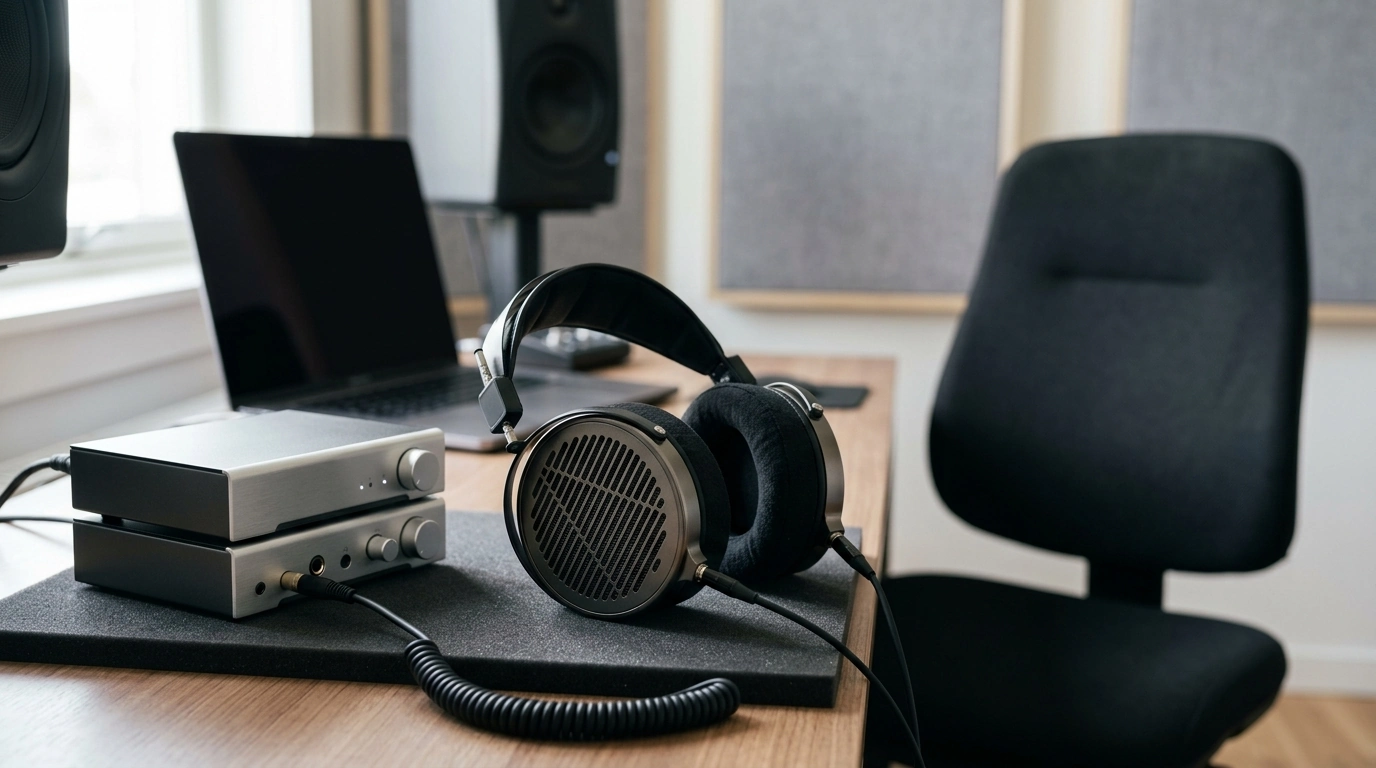
High-Performance 90mm Planar Magnetic Headphones for Audiophiles & Studio Use
Designed for detail-focused listening and critical monitoring, 90mm planar magnetic headphones can deliver fast transients, low distortion, and consistent control across the spectrum. Whether you’re checking edits, balancing low end, or simply enjoying dense arrangements without smear, the right planar setup can make small decisions feel obvious. Below is a practical guide to what the 90mm driver format can change, how it fits into studio workflows, and how to dial in comfort, power, and connectivity for repeatable results.
What 90mm Planar Magnetic Drivers Change in Real Listening
Planar magnetic diaphragms are typically driven more evenly across their surface than many dynamic designs, which can translate into quicker “start/stop” behavior and fewer breakup artifacts at higher volumes. With a larger 90mm diaphragm, bass can feel effortless rather than boosted—provided the enclosure, damping, and pads are tuned well.
For critical listening, the benefits show up in subtle places: cleaner decay on cymbals and reverbs, less “fuzz” on layered synths, and a more stable image when you’re judging pan positions. Low distortion can also help reveal problems that hide on softer headphones—like sibilance, clipped peaks, over-compression, or edit seams.
Studio Use: Monitoring, Editing, and Mix Translation
In a studio workflow, planar headphones often shine during tasks where speed and separation matter. Fast transients help expose timing issues, clicks, and plosives. Clear midrange definition can make narrow resonances easier to locate when sweeping EQ, and controlled sub-bass can support kick/bass balance—while still benefiting from cross-checking on monitors to confirm translation.
| Task | What to listen for | Why planars can help |
|---|---|---|
| Vocal cleanup | Sibilance, mouth noise, breath edits | Clear upper-mid detail and low distortion |
| Transient shaping | Kick/snare attack, pluck definition | Fast diaphragm response |
| Reverb & ambience | Tail length, pre-delay, masking | Clean decay and separation |
| Mastering checks | Harshness, pumping, stereo width | High resolution and stable imaging |
For stereo placement decisions, stable imaging can help you judge depth and panning moves more confidently. Still, it’s smart to do a quick mono check and verify on speakers—headphones can exaggerate separation compared to nearfields.
Power, Sources, and Gain Staging
Many planar magnetic headphones benefit from a capable headphone amplifier or a strong audio-interface headphone output with clean current delivery. When a source is struggling, the sound can feel flat or congested, bass may lose grip, and you may end up running the volume near maximum with little headroom left.
For interfaces, aim for a setup that reaches your normal working level with room to spare—living at the top of the knob can raise noise and reduce control. For dedicated DAC/amp stacks, prioritize a low noise floor and low output impedance so bass stays tight and the frequency response remains consistent across volume changes.
Also keep safe listening habits front and center. If you work long sessions, moderate SPL and breaks reduce fatigue and long-term risk. For guidance, see resources from NIOSH and the WHO safe listening overview.
Comfort and Isolation for Long Sessions
Comfort is performance. Clamp force, headband design, and pad material affect both fit and sound—especially bass, which depends heavily on seal. If the pads don’t contact evenly around the ear (or hair/glasses break the seal), low end can thin out and upper mids may feel more forward.
Weight distribution matters for multi-hour editing and mix checks. A wider headband and plush pads can reduce hotspots, and cups with a bit of swivel help maintain a consistent seal. For isolation, open-back designs often sound more spacious but leak sound in and out; closed-back designs isolate better for tracking, shared rooms, or late-night work where leakage is an issue.
Feature Checklist Before Buying
If you want a deeper technical perspective on audio evaluation and best practices, the Audio Engineering Society (AES) is a strong starting point for standards and engineering discussions.
Product Spotlight: High-Performance 90mm Planar Magnetic Headphones
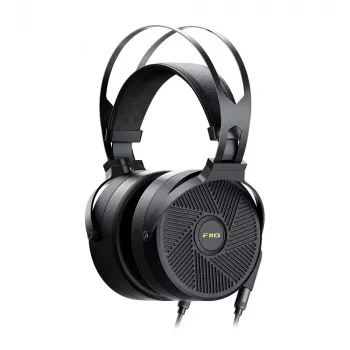
If you’re shopping for a dedicated planar option aimed at both studio monitoring and audiophile listening, the High-Performance 90mm Planar Magnetic Headphones for Audiophiles & Studio Use are built around large 90mm planar magnetic drivers focused on detailed, controlled playback. They’re suited for sessions where micro-detail, separation, and low-end control matter—like verifying compression behavior, cleaning vocals, or evaluating ambience and stereo width.
| Item | Details |
|---|---|
| Product | High-Performance 90mm Planar Magnetic Headphones for Audiophiles & Studio Use |
| Price | 807.47 USD |
| Availability | In stock |
| Product page | View details |
More In-Stock Picks for a Better Listening Setup
- Muscle Relaxation Toolkit for Total Tension Relief – 3-in-1 Bundle for Deep Muscle Relaxation for post-session recovery and reducing neck/shoulder tension.
- Luxury High-Back Recliner Sofa Set for a dedicated listening corner where you can evaluate albums end-to-end without shifting position constantly.
Setup Tips for Accurate Results
FAQ
Do planar magnetic headphones need a headphone amplifier?
They don’t always require a separate amp, but many benefit from one. If you’re near max volume, bass feels loose, or complex parts sound congested, your source may be running out of clean headroom/current.
Are planar magnetic headphones good for mixing and mastering?
Yes, especially when the tuning is monitoring-friendly. Their detail retrieval, low distortion, and stable imaging can make problems easier to spot, but final decisions should still be cross-checked on speakers for translation.
Open-back or closed-back for studio use?
Open-back is often preferred for spaciousness and mix decisions in a quiet room, while closed-back is better for isolation during tracking and reducing leakage. Comfort and pad seal matter for both, since they can change perceived bass and midrange balance.















Leave a comment