9 GPM 180k BTU Indoor Propane Tankless: Sizing Guide
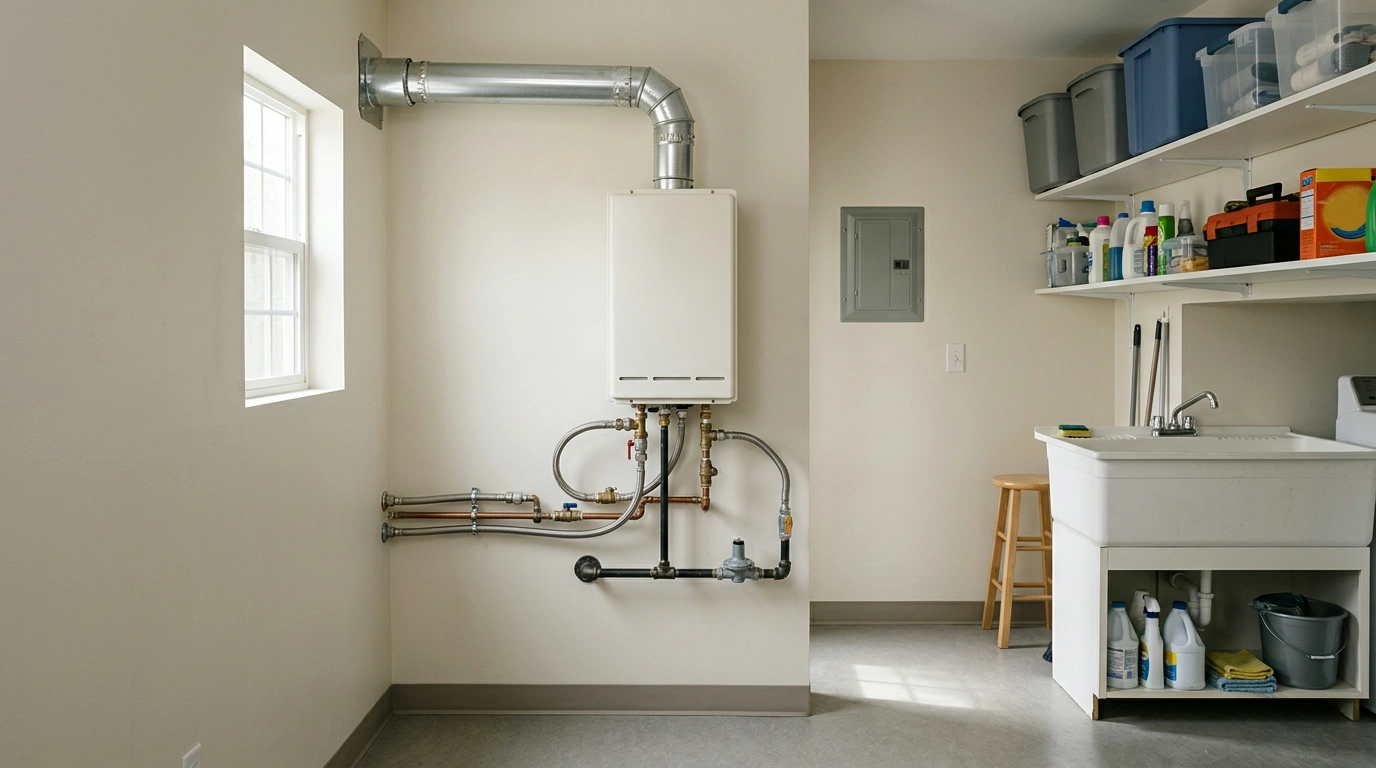
Reliable Hot Water, Right When You Need It: 9 GPM 180,000 BTU Indoor Liquid Propane Tankless Water Heater
When hot water runs out mid-shower or the utility room is dominated by a bulky tank, it’s time for a different approach. Our indoor liquid propane tankless water heater is built to deliver strong flow on demand—so daily routines feel consistent, even when multiple fixtures are in use. Below is a practical guide to what 9 GPM and 180,000 BTU can mean in a real home, where it fits best, and what to confirm before installation. For more guidance, see Best Tankless Water Heater Reviews in 2024 – Walk in Showers.
What “9 GPM” and “180,000 BTU” mean in everyday use
A tankless rating is about capability under certain conditions—not a promise that every home will see the same output at the same temperature. Your incoming water temperature, your setpoint, and how many fixtures you run at once all determine what you experience at the tap. For further reading, see Save Money with an Energy-Efficient Water Heater.
- 9 GPM (gallons per minute) describes potential hot-water flow, but actual flow depends on incoming water temperature, the hot-water setpoint, and how many fixtures run at once.
- 180,000 BTU is the heating power available to raise water temperature quickly as it passes through the heat exchanger—one of the key differences between “endless hot water” and lukewarm compromise.
- Cold-climate reality check: colder inlet water typically lowers effective GPM at higher temperature rises; milder climates usually see higher usable flow from the same unit.
- Best-fit routines: steady performance during back-to-back showers, kitchen use while a shower is running, and consistent hot water during peak morning/evening demand.
Quick sizing checkpoints for an indoor propane tankless setup
| Checkpoint | Why it matters | What to verify before ordering |
|---|---|---|
| Incoming water temperature | Colder inlet water requires more heating energy, reducing max hot-water flow at higher setpoints | Typical winter inlet temperature for the home/region |
| Simultaneous fixtures | Running multiple showers/appliances at once increases total flow demand | How many showers, faucets, and appliances may run together |
| Vent route | Indoor units require proper venting to exhaust combustion gases safely | A clear vent path and code-compliant materials |
| Gas supply capacity | Propane appliances need adequate line sizing and regulator capacity | Existing propane system capacity and line sizing per installer |
| Water quality | Hard water can increase scale and maintenance needs | Local hardness level and whether filtration/softening is planned |
Why an indoor liquid propane tankless heater makes sense
- On-demand heating: water is heated as it flows, helping avoid the standby losses associated with keeping a full tank hot.
- Space efficiency: you reclaim utility-room footprint compared with many tank systems.
- Propane flexibility: a practical choice if you don’t have natural gas service or you already run other propane appliances.
- Consistent daily comfort: supports routines where hot water needs to be available repeatedly rather than “stored up” in advance.
For a helpful overview of how demand-type heaters work and where they shine, the U.S. Department of Energy has a clear primer: Tankless or Demand-Type Water Heaters.
Where this model tends to fit best
- Primary whole-home hot water in small-to-mid homes where peak demand is moderate and planned thoughtfully.
- Homes with propane infrastructure already in place (tank, regulator, service plan) looking for modern, space-saving water heating.
- Renovations where reclaiming space matters and the vent path can be planned cleanly.
- Households that value predictable temperature and long showers over storing large volumes of hot water.
If you’re ready to move forward, our team recommends starting with the main unit here: 9 GPM 180,000 BTU Indoor Liquid Propane Tankless Water Heater.
Installation essentials to plan for (indoor + propane)
For code context related to fuel gas safety and venting practices, you can reference the NFPA’s overview of the National Fuel Gas Code: NFPA 54 (National Fuel Gas Code).
Getting the best performance: daily use and maintenance habits
If your household “recovery time” has been the stress point, you can pair better hot-water consistency with better body recovery, too. After long days (or long workouts), many customers add our Muscle Relaxation Toolkit for Total Tension Relief – 3-in-1 Bundle for Deep Muscle Relaxation to their comfort routine.
A straightforward buying checklist before checkout
And if you’re reclaiming utility-room space during a remodel, small finishing touches can make the area feel less “mechanical” once the work is done—our Vintage Resin Vase is an easy way to soften shelves or a nearby hallway nook without adding clutter.
FAQ
Will a 9 GPM tankless water heater run two showers at the same time?
Often yes, but it depends on your temperature rise (incoming water temperature versus your setpoint), your showerhead flow rates, and any other hot-water draws happening at the same time. For the most reliable outcome, estimate your true peak demand and have your installer confirm sizing for your climate and layout.
What needs to be checked for indoor propane tankless installation?
You’ll want to confirm a code-compliant venting path and materials, adequate combustion air, proper gas line sizing and regulator capacity, and a suitable electrical connection for ignition/controls. Also plan for water shutoffs/service valves, and expect permits/inspections to be part of a safe indoor gas installation.
How often does a propane tankless water heater need maintenance?
Maintenance frequency depends largely on water hardness and how heavily you use hot water, with periodic flushing/descaling commonly needed in many homes. It’s also smart to check/clean any inlet screens or filters and keep the unit accessible so a qualified technician can service it on schedule.













Leave a comment