88L Foldable Camping Trolley Bag: Packing Guide
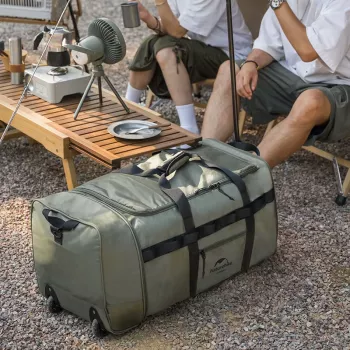
Camping gear has a way of filling a vehicle before anyone gets in. If you need room for clothing, bedding, and other soft essentials but don’t want another rigid suitcase taking up space at home, our Foldable Outdoor Travel Trolley Bag – 88L High-Capacity Camping Luggage offers a useful combination: 88L of packing capacity in a trolley-style bag that folds away between trips. The key is to match that capacity to your actual gear and the route you’ll take with it.
Where an 88L trolley bag fits into your plans
Liters describe volume, not the shape of the space inside a bag. An 88L capacity does not mean every tent, camp chair, or sleeping bag will fit. Before you pack, measure your longest or widest item and compare its dimensions with the bag’s listed dimensions. This matters especially for gear with rigid poles, frames, or containers that cannot bend to fit.
We see the strongest case for a roomy trolley bag on trips where you load gear into a vehicle, unload at a campground or lodging stop, and then bring the bag home. It can help keep soft goods together rather than scattered across the trunk. Fold-away storage is the other advantage: once your trip is over, you can put the bag away instead of finding a permanent spot for a full-size hard-sided case.
Capacity is only one part of that decision. Picture the entire journey from your door to your destination. A short transfer from a parking area calls for different planning than a long walk over uneven ground. Decide which items you want to carry separately, and avoid assuming that a trolley-style bag will be the easiest way to move every kind of camping load.
Match the bag to the way you travel
Our team recommends starting with your route, then making a packing plan. That keeps the bag’s generous volume useful without turning it into one heavy container you have to repeatedly lift and move.
| Trip plan | What to check before packing | Packing approach |
|---|---|---|
| Car camping | Available vehicle space and the dimensions of bulky gear | Group soft goods together and keep frequently needed items accessible. |
| Multi-stop road trip | How often the bag will be loaded and unloaded | Pack heavier items low and separate daily essentials. |
| Air travel | The airline’s checked-bag size and weight limits | Weigh the packed bag and protect items that could be damaged in transit. |
If you’re flying, don’t use the 88L figure as a baggage allowance. Airlines set their own size and weight limits, and a bag that meets a limit while empty may exceed a weight limit once packed. Confirm your airline’s current rules before departure, and review the TSA travel tips for general security guidance. Keep items you’ll need during the trip, such as medication and travel documents, with you rather than buried in checked luggage.
Pack 88L with a little structure
Start with a checklist for this trip, not a list of everything you own for camping. Separate must-haves from optional comforts, then lay out the bulky items first. If a tent or sleeping system does not fit by its dimensions, plan another way to carry it before you begin filling the bag. Leaving a little free space can also make repacking less frustrating when gear no longer folds as neatly as it did at home.
Place heavier items near the bottom when the bag is in its normal travel position. Use clothing or other soft items to fill gaps around sturdier gear, rather than forcing awkward pieces into place. Put your arrival essentials—perhaps a clean layer, a flashlight, or campsite paperwork—where you can reach them without emptying the whole bag. For a multi-stop trip, a small separate pouch for each day’s frequently used items can reduce the amount of unpacking at every stop.
Give wet or dirty gear its own bag or container so it does not sit against clean clothing. At the end of a stay, take a moment to sort what needs drying or cleaning when you get home. Follow the campsite’s rules for waste and cleanup; the National Park Service’s Leave No Trace principles are a helpful reference for caring for the places you visit.
Comfort after a long day can be part of your packing plan, too, but keep optional personal items separate from essential camp gear. If post-trip relaxation is on your list, you can explore our Muscle Relaxation Toolkit for Total Tension Relief – 3-in-1 Bundle for Deep Muscle Relaxation separately rather than using luggage capacity as a reason to bring more than you need.
A practical choice when storage matters too
The appeal of this bag is straightforward: you get generous space for a trip and a foldable bag to put away afterward. It is a practical trade-off when storage at home matters as much as packing space on the road. A rigid suitcase may still be the better choice when you need a firm shell around its contents.
FAQ
Is an 88L bag suitable for a weekend camping trip?
It can offer room for a weekend packing list, but suitability depends on the dimensions of your tent, bedding, clothing, and other gear. Measure bulky items before choosing a bag.
Can I take an 88L trolley bag on a plane?
Possibly, but check your airline’s current checked-baggage dimensions and weight limits. Capacity in liters alone does not determine whether a packed bag will be accepted.
Why choose a foldable trolley bag instead of a rigid suitcase?
A foldable bag can be easier to put away between trips when storage space matters. A rigid suitcase may be preferable when a firm shell is important.













Leave a comment