Build a Repeatable Wind-Down: 5 Digital Sleep Tools
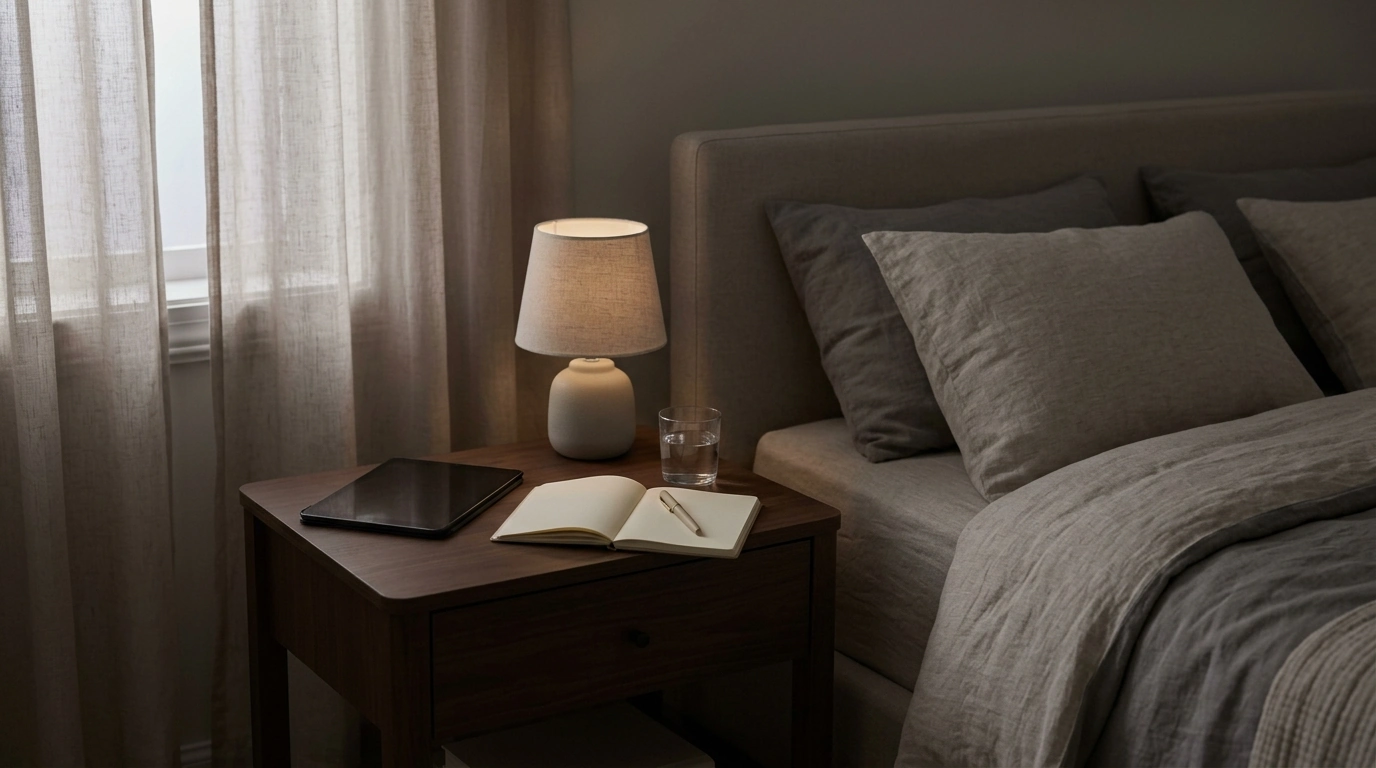
Better Sleep Starts with Fewer Nighttime Decisions
Better sleep often comes down to repeatable cues: a wind-down plan, a calmer body, and fewer late-night decisions. When evenings are busy (and screens are everywhere), it’s easy to drift into “just one more thing” until bedtime disappears. A structured system helps because it replaces willpower with defaults—simple steps you can follow even on low-energy nights.
The Sleep Optimization Bundle for Better Rest – 5-in-1 Digital Downloads for Restful Sleep is built around that idea: coordinated tools that make a nightly routine easier to repeat, adjust, and maintain over time.
What’s inside the 5-in-1 bundle
This is a set of five coordinated digital downloads designed to work together as a single sleep routine system. You can start with one component (like the wind-down planner) and layer in the others as your routine stabilizes.
- Five coordinated downloads that reinforce the same habit loop: cue → routine → follow-through
- Guided structure for evenings and mornings to reduce friction and inconsistency
- Habit-building tools: checklists, schedules, prompts, and simple tracking
- Flexible use: go “all in,” or add one small step at a time
How each component supports sleep quality
| Bundle piece | Best used when | Primary goal | Example outcome |
|---|---|---|---|
| Wind-down routine planner | 60–15 minutes before bed | Lower arousal and decision fatigue | A repeatable sequence that signals bedtime |
| Sleep schedule & consistency tracker | Daily (morning or evening check-in) | Stabilize sleep/wake timing | More predictable energy and fewer “second winds” |
| Screen & stimulation boundary plan | After dinner through bedtime | Reduce late-night alertness triggers | Less doom-scrolling, smoother transition to bed |
| Relaxation and decompression prompts | When stress is high or mind is racing | Shift from mental load to calm | Faster settling after lights-out |
| Sleep environment checklist | Before bed and during setup | Optimize comfort and cues | Room feels more “sleep-only” and supportive |
Who this bundle fits best
Structured tools work especially well when sleep problems aren’t about “knowing what to do,” but about doing it consistently at the right time.
- People who fall asleep late because evenings have no clear stopping point
- Light sleepers who benefit from consistent pre-bed cues and a calmer environment
- Anyone trying to reduce late-night scrolling, work carryover, or mental chatter
- Busy schedules that need a simple default routine instead of constant re-planning
- Those who prefer self-guided tools over appointments or apps with ongoing subscriptions
If physical tension is part of what keeps you wired, pairing your routine with targeted relaxation support can help. Consider adding the Muscle Relaxation Toolkit for Total Tension Relief – 3-in-1 Bundle for Deep Muscle Relaxation to complement the decompression prompts and create a more full-body “downshift.”
A practical nightly flow (15–60 minutes) using the downloads
A routine works best when it’s short enough to repeat and specific enough to remove guesswork. Use this flow as a baseline, then personalize it.
- Pick a lights-out anchor. Choose a target lights-out time for most nights so your body learns the pattern.
- Run the environment checklist first. Adjust temperature, light, noise, bedding, and device placement before you’re tired.
- Follow the wind-down planner like a script. Keep it simple: hygiene, prep for tomorrow, then one quiet activity.
- Use a decompression prompt when your brain keeps reopening tasks. Do a short brain-dump, write tomorrow’s top priority, and add a closure step (one sentence that signals “done for today”).
- Log a quick tracker entry the next morning. Note bedtime, wake time, perceived restfulness, and one context clue (caffeine late, stressful meeting, long nap).
If you’re building the habit from scratch, start with two non-negotiables: a consistent wake time and a 10–15 minute wind-down. Once those are steady, expand the routine length.
How to make it work in a screen-heavy lifestyle
Modern sleep routines have to coexist with notifications, streaming, and late-night work messages. The goal isn’t perfection—it’s creating a predictable “off-ramp” from stimulation.
For additional sleep hygiene guidance, reliable references include Sleep Foundation’s sleep hygiene overview and the National Heart, Lung, and Blood Institute’s healthy sleep tips.
Tracking progress without turning sleep into a performance
Sleep is a foundation for health and daytime function, not a score to win. If you want a science-based reminder of why consistency matters, the CDC’s overview of why sleep is important is a helpful baseline.
When to seek extra support
FAQ
How quickly can results show up with a structured sleep routine?
Small improvements often show up in 3–7 days, such as an easier wind-down and fewer late-night “second winds.” Clearer, more reliable trends typically take 2–4 weeks, especially when you keep a stable wake time and follow the same cues most nights.
Can the downloads be used if the schedule changes between weekdays and weekends?
Yes—aim to keep your wake time within a consistent window and adjust the wind-down length as needed. Use the tracker to find the smallest workable difference between weekday and weekend timing so you avoid large swings that make Monday nights harder.
What if stress or racing thoughts are the main problem at bedtime?
Use decompression prompts earlier in the evening, then do a short brain-dump and a clear “closure” ritual before you start the wind-down. Keep lights low and avoid stimulating content so your mind gets repeated signals that planning is done for the day.
















Leave a comment