3D Massage Chair: Thai Stretch + Zero Gravity Relief
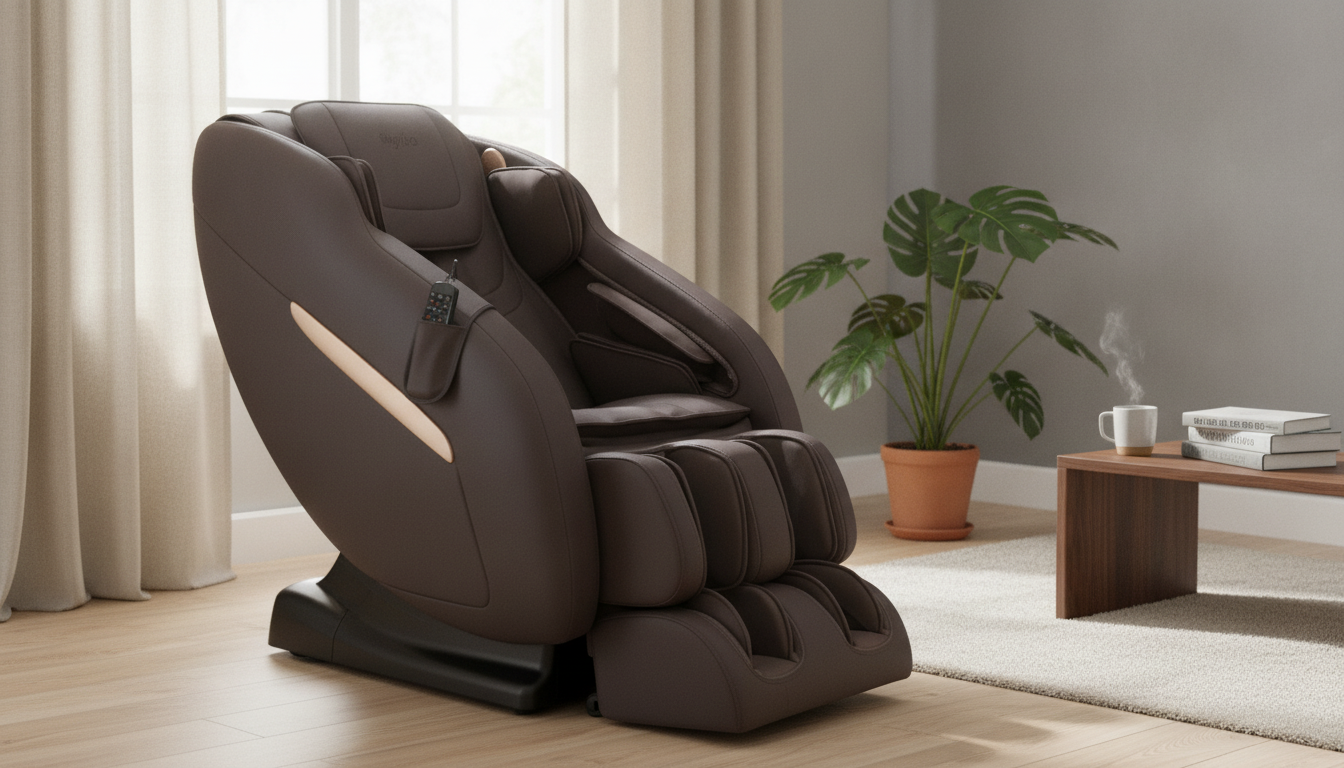
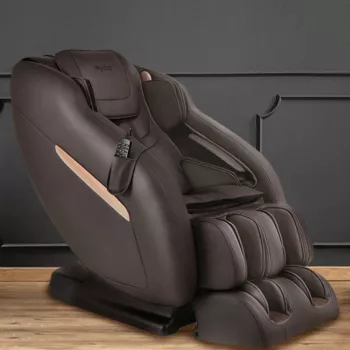
Full Body 3D Massage Chair with Thai Stretch & Zero Gravity
A full-body 3D massage chair can bring daily recovery within reach for people who spend long hours sitting, training, or managing frequent muscle tension. With Thai-style stretching and zero-gravity recline, the goal is to reduce pressure through the spine while delivering a deeper, more tailored massage from neck to calves. Massage is also commonly used for stress and muscle soreness support; for a balanced overview of potential benefits and precautions, see guidance from Mayo Clinic and research context from the NCCIH.
What Thai stretching and zero gravity change in a massage session
Two features tend to reshape how a session feels: stretching programs that add mobility work, and recline angles designed to unload the back.
- Thai stretch functions focus on gentle extension through the hips, lower back, and shoulders to help restore range of motion after long sitting or intense activity.
- Zero-gravity recline redistributes body weight so the back and hips feel less compressed, often making deeper pressure more comfortable.
- Consistency beats marathons: the combination is best used as a short daily routine (10–20 minutes) rather than occasional long sessions, especially for busy schedules.
Practically, zero gravity can make the rollers feel “rounder” and less pokey, while stretching can reduce that locked-up feeling that lingers after long workdays.
How 3D massage differs from basic roller systems
Roller tech matters because “deep” isn’t the same as “hard.” A good 3D system prioritizes control so you can increase depth where muscles are thick and back off near bony landmarks.
- 3D rollers add adjustable depth to the up/down and side-to-side movement, helping target tight areas without relying on maximum speed or aggressive techniques.
- Depth control can be used to keep pressure gentle over the spine while increasing intensity along larger muscle groups like traps, glutes, and hamstrings.
- Better flow: a strong routine alternates broader kneading for warm-up, deeper spot work for trigger points, then lighter rolling to finish.
| Mechanism | What it feels like | Best for |
|---|---|---|
| 2D rollers | Fixed depth, basic knead/roll | Light relaxation and general circulation |
| 3D rollers | Adjustable depth and contouring | Deeper muscle work and tailored pressure |
| Air compression | Rhythmic squeezing around limbs/hips | Recovery, swelling relief, and comfort |
| Stretch programs | Gentle extension and traction-like feel | Mobility and postural reset |
Full-body coverage: where the relief comes from
Full-body chairs feel most effective when each zone is tuned to the way that area responds—especially the neck/shoulders and low back, where “too much” can become counterproductive.
- Neck and shoulders: results improve when roller position is calibrated to height so pressure lands on the upper traps and between the shoulder blades rather than directly on the spine.
- Mid-back and lumbar: prioritize smooth rolling and moderate depth; intense settings can feel harsh if used too long.
- Hips and glutes: compression (via airbags and seat design) can be valuable for people who sit often, as tension commonly concentrates around the hips.
- Feet and calves: typically a blend of rolling and compression, helpful after standing all day or higher-volume walking/running.
For many users, the “surprise” benefit is hip work: loosening the glutes and hip flexors can make the rest of the back session feel smoother and less guarded.
Daily routines for desk stiffness, training recovery, and sleep wind-down
The most satisfying programs usually fit into real life—short enough to repeat, structured enough to feel purposeful.
Desk reset (10–12 minutes)
- Start in zero gravity with light-to-moderate kneading.
- Finish with a short stretch sequence to open hips and chest.
Post-workout recovery (12–18 minutes)
- Use moderate depth for glutes, hamstrings, and back.
- Add compression on calves and feet.
- Finish with gentle rolling to downshift.
Evening wind-down (10–15 minutes)
- Keep intensity low with slower rhythm and more rolling than tapping.
- Avoid very deep pressure right before bed if it feels stimulating.
Customization that matters most
A premium chair is only as good as the way it’s adjusted. Small changes to depth, recline, and targeting often outperform simply “turning it up.”
| If this happens… | Try this adjustment |
|---|---|
| Pressure feels too sharp on the back | Reduce depth one level, recline farther, switch from tapping to kneading/rolling |
| Neck massage misses the sore spot | Reposition body slightly and adjust roller height/target zone |
| Leg compression feels too tight | Lower air intensity and shorten that portion of the program |
| You feel sore the next day | Shorten sessions and alternate deep work days with lighter recovery days |
Space, setup, and care considerations
Who should use caution
Product option available now
| Option | Best use | Link |
|---|---|---|
| Full Body 3D Massage Chair with Thai Stretch & Zero Gravity | Daily full-body recovery and mobility routines | View product |
| Muscle Relaxation Toolkit for Total Tension Relief – 3-in-1 Bundle for Deep Muscle Relaxation | Supplemental spot relief and travel-friendly recovery | View product |
FAQ
How often can a 3D massage chair be used?
A common routine is 10–20 minutes per day. Start 3–4 days per week on lighter settings and increase gradually based on soreness, sleep quality, and overall comfort.
Is zero-gravity recline safe for everyone?
It’s generally comfortable, but anyone with cardiovascular concerns, severe reflux, recent surgery, pregnancy, or implanted devices should check with a clinician. Stop the session if you feel dizzy, short of breath, or uncomfortable.
What does Thai stretching feel like in a massage chair?
It usually feels like gentle pulling and extension through the legs, hips, and back—more like a controlled stretch than a hard massage. Start with lower intensity so it stays comfortable and never sharp.














Leave a comment