2000W 2073Wh LiFePO4 Power Station for Camping
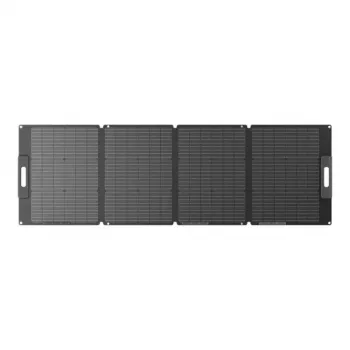
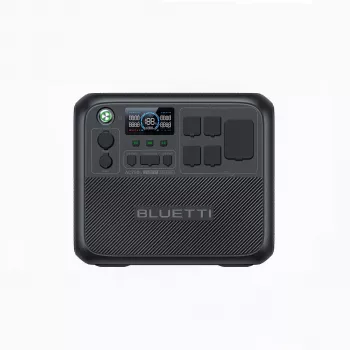
2000W Portable Power Station (2073Wh LiFePO4) for Camping and Emergency Backup
Reliable power changes everything—whether your plan is an off-grid weekend, a tailgate that runs past sunset, or keeping essentials running during an outage. Our 2000W portable power station with a 2073Wh LiFePO4 battery is built for the moments that call for quiet, fuel-free electricity: charging devices, running small appliances, and keeping lights and medical or communication gear powered when the grid is unavailable.
What this power station is designed to handle
- Campsites and RV stops: Power lights, fans, small cooking devices, and device charging without generator noise.
- Home outages: Keep priority items online—router/modem, lamps, phones, laptops, and other essentials in a planned rotation.
- Work anywhere: Run tools or electronics up to the inverter’s rated capacity, then use battery capacity to estimate practical runtime.
- Preparedness: Keep a single power hub topped up and ready for storms, heat events, and unexpected shutdowns.
Why LiFePO4 matters for a long-term backup setup
LiFePO4 chemistry is widely chosen for durability and stability in portable power storage compared with many other lithium chemistries. That’s especially important when you want one unit to serve double duty: regular weekend use and emergency readiness. For preparedness planning, consistent performance over time is often just as valuable as peak wattage—because the best backup power is the one you can count on when you plug in the essentials.
Understanding 2000W output and 2073Wh capacity (and what that means for runtime)
Output (watts) tells you what can be powered at one time; capacity (watt-hours) tells you how long it can run. A practical way to plan is:
Estimated runtime (hours) ≈ usable watt-hours ÷ device watt draw
Real-world results vary with changing loads, inverter losses, and temperature. Our team recommends thinking in “priorities and cycles”: keep critical devices on continuously, and rotate higher-draw items (like small appliances or tools) in short sessions.
Simple runtime planning examples
| Device type | Typical draw (W) | What to plan for |
|---|---|---|
| Phone charging and small USB gear | 5–30 | Great for daily top-ups; multiple devices can charge together. |
| Wi‑Fi router/modem | 10–30 | Useful during outages; plan for extended runtime with modest draw. |
| LED lighting | 5–50 | Choose efficient lights to stretch overnight use. |
| CPAP (varies by model/settings) | 30–90+ | Check the device label and consider humidifier settings to reduce draw. |
| Small appliance or tool | 300–1500+ | Use within the station’s rated output; cycle use to preserve capacity. |
Solar generator readiness: building a practical charging routine
- Make it a routine: Charge after each trip, then store at a sensible level and top off periodically so it’s ready.
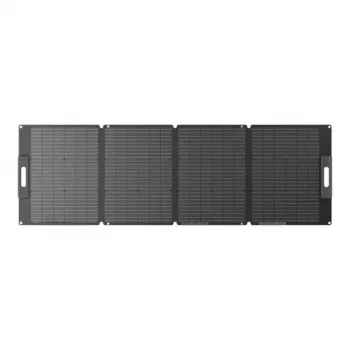
- For solar charging: Place panels in full sun and re-aim during the day; partial shade can reduce charging significantly.
- Plan at least two charging paths: Wall + solar, or wall + vehicle, so you can recover even with limited access.
If you’re building a broader home plan, FEMA’s outage guidance is a helpful baseline for safety and preparation: https://www.ready.gov/power-outages. For a refresher on solar basics, NREL is a solid reference: https://www.nrel.gov/research/re-solar.html.
A quick checklist for emergency home backup
- Identify priority loads first: communications (phone/laptop/router), lighting, small medical devices, and basic comfort (fan).
- Stage your setup: Keep extension cords and a surge-protected power strip ready so deployment is fast.
- Avoid stacking big loads: During an outage, run essentials and cycle high-draw appliances one at a time.
- Store smart: Keep the unit accessible in a dry, temperature-stable area so you’re not hunting for it when power drops.
For additional home energy planning ideas, the U.S. Department of Energy’s Energy Saver resources are worth bookmarking: https://www.energy.gov/energysaver.
Camping and outdoor setup tips that make the battery last longer
- Use efficient lighting and avoid leaving the inverter on when you’re not actively powering anything.
- Charge devices during the day while solar input is strongest, then rely on stored power after dark.
- If cooking or heating is part of your plan, choose lower-draw options and short duty cycles to preserve capacity.
- Pack a dedicated tote for cables and adapters so nothing goes missing between trips.
Care, storage, and safety habits for portable power stations
When this 2000W / 2073Wh class is the right fit (and when to size up)
In-stock picks from our store
- 2000W Portable Power Station, 2073Wh LiFePO4 Solar Generator for Camping & Emergencies
- Muscle Relaxation Toolkit for Total Tension Relief – 3-in-1 Bundle for Deep Muscle Relaxation
FAQ
How long will a 2073Wh portable power station run my devices?
Watts measure how much power a device uses at a moment, while watt-hours measure stored energy. To estimate runtime, divide usable watt-hours by your device’s watt draw, then expect some loss from inverter efficiency and real-world cycling (like a fridge or fan turning on and off). Actual results vary by load changes, temperature, and whether you’re using AC or DC outputs.
Can this be charged with solar panels during an outage?
Yes—solar charging is one of the most practical ways to keep a portable power station going when the grid is down. Charging speed depends on panel wattage, sun conditions, and positioning, so full sun and periodic re-aiming matter. Our team recommends keeping at least two charging options available (such as wall plus solar, or wall plus vehicle) for resilience.
What should not be plugged into a 2000W portable power station?
Avoid plugging in loads that exceed the station’s rated output, and be cautious with continuous high-heat resistive appliances that can drain capacity quickly. Don’t use devices with damaged cords or compromised plugs. Check the wattage on your device label so you can keep total draw within the power station’s limits.













Leave a comment