Beginner Dog Grooming at Home: Tools, Checklist & Routine
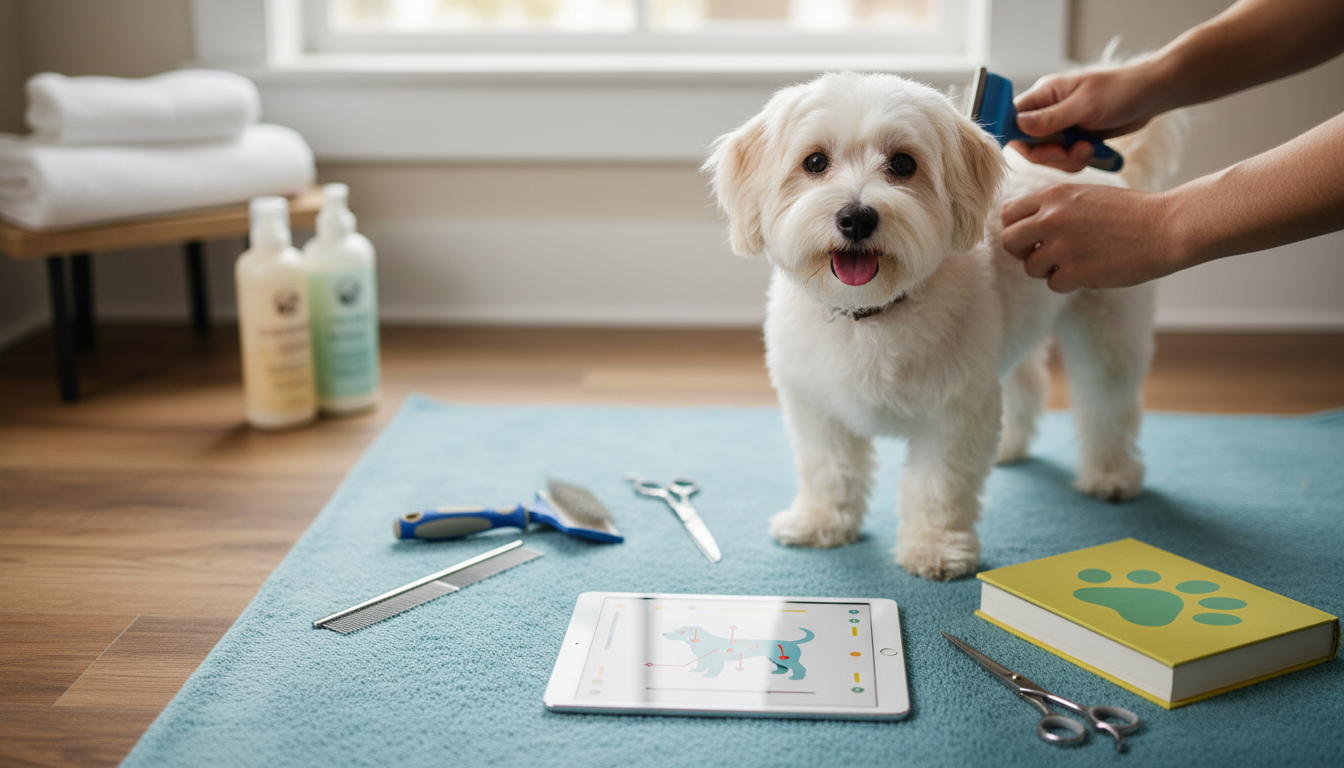
Pawfect Tools for Home Grooming: A Beginner-Friendly Dog Grooming Checklist and DIY Routine
Home grooming can be calm, safe, and surprisingly simple when the right tools are paired with a repeatable routine. This guide breaks grooming into small, confidence-building steps—what to use, when to use it, and how to keep your dog comfortable from first brush stroke to final reward.
What “good home grooming” looks like (even for beginners)
A solid at-home routine isn’t about perfection—it’s about consistency and comfort. The goal is a short, predictable session that matches your dog’s coat, age, and tolerance. For many dogs, 5–10 minutes done regularly beats a long, stressful grooming marathon that everyone dreads.
- Choose tools that reduce tugging and skin irritation rather than “getting it done fast.”
- Stack small wins: one body part at a time, with breaks.
- Stay safety-first: stop if you see pain, bleeding, limping, or heavy matting close to the skin.
- Build a reward loop: treats, praise, and a short decompression break help your dog learn cooperation.
The core tool kit for most dogs
You don’t need a salon setup. A beginner-friendly kit usually includes a coat-appropriate brush, a metal comb, a nail tool, bath basics, and a few hygiene essentials. If you want extra structure, the Pawfect Tools for Home Grooming digital checklist and guide is a quick-reference download that organizes brushing, bathing, nails, ears, teeth, safety notes, and a simple checklist.
- Brushes: slicker brush (many coats), pin brush (longer hair), rubber curry (short coats).
- Combs: a metal greyhound comb to find hidden tangles and finish after brushing.
- Nail care: clippers or a grinder, plus styptic powder for accidental quick nicks.
- Bath basics: dog-safe shampoo; optional conditioner for dry coats; non-slip tub mat.
- Drying: absorbent towels; optional low-heat dryer to avoid damp-skin irritation.
- Ear and dental care: vet-approved ear cleaner and cotton rounds; dog toothbrush and toothpaste.
- Cleanup and comfort: grooming wipes, detangling spray, and high-value treats.
Tool-to-task cheat sheet for a simple home grooming setup
| Tool | Best for | Beginner tip | Common mistake to avoid |
|---|---|---|---|
| Slicker brush | Light mats, undercoat lift, general brushing | Use short strokes; follow with a comb to confirm detangling | Pressing too hard and scraping skin |
| Metal comb | Checking for tangles; finishing around legs, ears, tail | If the comb catches, return to brushing and detangle gently | Forcing through a knot |
| Rubber curry brush | Short coats; loosening shed hair; bath-time massage | Use circular motions and stop if redness appears | Over-brushing sensitive spots |
| Nail grinder or clippers | Trimming nails safely over time | Trim tiny amounts; reward after each nail | Cutting too much at once |
| Dog shampoo (pH-balanced) | Cleaning coat without stripping oils | Dilute if directed; rinse longer than expected | Leaving residue that causes itchiness |
| Ear cleaner + cotton rounds | Routine ear hygiene | Wipe visible areas only; follow product directions | Using cotton swabs deep in the ear |
A stress-light grooming routine you can repeat weekly
Predictability is your superpower. Use the same order each time so your dog can anticipate what’s next.
- Set the scene: non-slip surface, good lighting, tools within reach. Calm music can help in busy households.
- Quick body check: paws, skin, coat condition, ticks, burrs, and any sore spots or tenderness.
- Brush first, bathe second: tangles plus water equals tighter mats. Brush and comb-check before the tub.
- Bath: lukewarm water, gentle lather, thorough rinse. Towel blot—avoid vigorous rubbing on longer coats.
- Dry: towel, then low heat if you use a dryer. Brush in sections while drying to prevent tangling.
- Finish work: comb-through, check under-tail and armpits, tidy paw fur if needed, then reward and rest.
Coat type adjustments (so the tools actually work)
For broader care guidance, see resources from the American Veterinary Medical Association (AVMA) and the American Kennel Club (AKC).
Nails, ears, teeth, and paws: the small tasks that prevent big problems
Troubleshooting common DIY grooming snags
A printable checklist and tool list to keep on hand
Digital guide option for simple, organized home grooming
If you want the routine laid out in a clean, repeatable format, a digital download can keep everything in one place—especially helpful for new dog owners and busy households. The Pawfect Tools for Home Grooming digital checklist and guide is designed to remove guesswork with clear sections and an easy checklist flow.
Also caring for a cat at home? The Cat Hygiene Maintenance Pack offers an organized set of feline-focused checklists and eBooks for keeping routines consistent across a multi-pet home.
FAQ
How often should a dog be groomed at home?
Most dogs do well with weekly brushing as a baseline, while long, double, or curly coats often benefit from brushing several times per week. Baths are typically less frequent (often every 4–8 weeks), but activity level and skin sensitivity can shift that schedule—follow your vet’s guidance if your dog has skin or allergy issues.
What are the essential grooming tools for beginners?
A minimal starter kit includes a coat-appropriate brush, a metal comb, a nail grinder or clippers, dog-safe shampoo, absorbent towels, ear cleaner with cotton rounds, a dog toothbrush and toothpaste, and styptic powder. Optional upgrades like detangling spray and a low-heat dryer can make longer coats easier to manage.
When should home grooming stop and a professional or vet take over?
Stop if you find tight matting close to the skin, sores/hot spots, ear discharge or strong odor, signs of pain, severe fear/aggression, or bleeding that won’t stop after a nail quick nick. A professional groomer can safely remove difficult coat issues, and a veterinarian should evaluate infections, swelling, or persistent discomfort.
















Leave a comment