Portable Solar Power Station 700W: Power Planning Guide
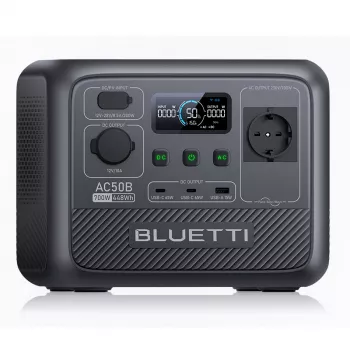
A portable power station can make it easier to plan for electricity on a trip or prepare for an outage at home. The key is deciding what you need to power before you pack or make a backup plan. Device wattage, startup demand, and battery capacity all affect what a station can support and for how long.
Our Portable Solar Power Station 700W is an option to consider when you want portable power away from your usual outlets. With a little preparation, you can prioritize essential devices and avoid relying on an appliance that demands more power than the station can deliver.
Meet the Portable Solar Power Station 700W
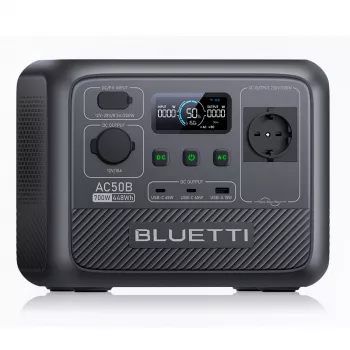
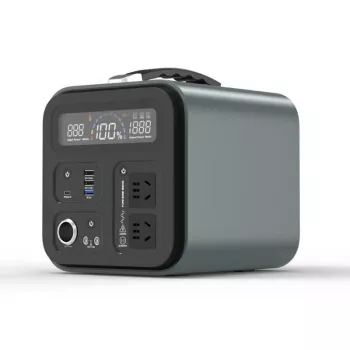
The Portable Solar Power Station 700W is currently priced at $464.01 and is in stock. Visit the product page for availability, purchase details, and specifications. Before choosing devices or charging accessories, review the station’s output limits, battery capacity, input requirements, and available ports.
A useful power plan starts with your actual routine. You might need to charge a phone during a weekend away, keep a light available after dark, or support a few small devices during a short outage. Write down those needs first, then compare them with the station’s confirmed specifications. The product name alone does not establish every output limit, battery capacity, or accessory included.
Match Your Devices to the Station
Watts measure the rate at which a device uses power. Watt-hours describe an amount of stored energy. Both matter: a station must be able to supply the power a device needs at a given moment, and its battery must hold enough usable energy for the time you want to operate it.
Look for each device’s power rating on its label, adapter, or manufacturer’s documentation. If you plan to run several devices together, add their wattages to estimate their combined demand. Compare that total with the station’s confirmed continuous output limit, and leave room for variation rather than planning to operate at the limit.
Some appliances, especially those with motors or compressors, can draw extra power when they start. Their startup demand may be higher than their normal running demand. Check both the station’s continuous and surge ratings against the appliance’s requirements before connecting it. Even if an appliance’s running wattage looks manageable, its startup demand may not be.
A simple device power checklist
| Check | What to look for | Why it matters |
|---|---|---|
| Device wattage | Power rating on the device or adapter | Helps assess the power needed |
| Combined demand | Sum of devices running at once | Helps prevent overloading |
| Startup demand | Surge requirement for applicable appliances | Can exceed normal running demand |
| Battery capacity | Station capacity in watt-hours | Helps estimate operating time |
Also consider the type and number of connections you need. A device’s wattage is only part of the decision: you need an appropriate available port or outlet and any required cable. Confirm compatibility rather than assuming every device can use every output.
Plan for Solar Charging
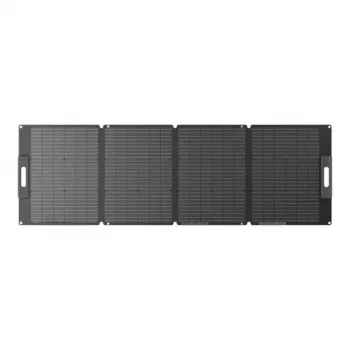
Solar panels convert sunlight into electricity, which can be used to charge compatible equipment. The U.S. Department of Energy’s solar photovoltaic basics explains how this technology works. Actual charging conditions vary with sunlight, shade, panel position, weather, and other factors, so a panel’s rated output should not be treated as a constant real-world result.
Before buying or connecting a panel, compare its specifications with the station’s solar input requirements. Check the permitted voltage and current, connector type, and any manufacturer instructions for compatible equipment. Do not assume a panel is included; review the product listing for what comes in the package.
Build flexibility into your schedule if you expect to recharge outdoors. Shade can move across a campsite, and cloudy weather can reduce available sunlight. Bring an appropriate alternative charging option if your plans depend on having power at a particular time, and follow the manufacturer’s instructions for each charging method.
Make a Practical Power Plan
Our team recommends making a short list of essentials before a trip or possible outage. Put communication and other priority devices first, then add conveniences only after you understand the remaining demand. Decide which items need power at the same time and which can take turns charging.
To make a rough runtime estimate, divide usable battery capacity in watt-hours by a device’s demand in watts. That is only a starting point: conversion losses and changing device demand can reduce actual operating time. Use the station’s confirmed capacity and specifications, and avoid counting on the estimate as a guarantee.
For a home backup plan, keep necessary cables together and know where you will use the station. Follow the manufacturer’s charging, ventilation, storage, and operating instructions, including any temperature restrictions. Place it where it can be accessed without blocking ventilation, and keep it away from conditions the manufacturer warns against.
Power planning is only one part of making a space comfortable. For a decorative update that does not add to your electrical demand, you can also explore our Vintage Resin Vase.
FAQ
How long can the power station run a device?
Runtime depends on the station’s usable watt-hour capacity, the device’s wattage, and conversion losses. Check the specifications before estimating.
Is a solar panel included?
Check the product listing for included accessories and compatible solar charging equipment before ordering.
Can several devices be powered at once?
Check the available ports and the station’s confirmed output limits, then compare them with the devices’ combined demand and any startup requirements.













Leave a comment