Vet Visit Checklist: Prepare, Ask, and Follow Up Easily
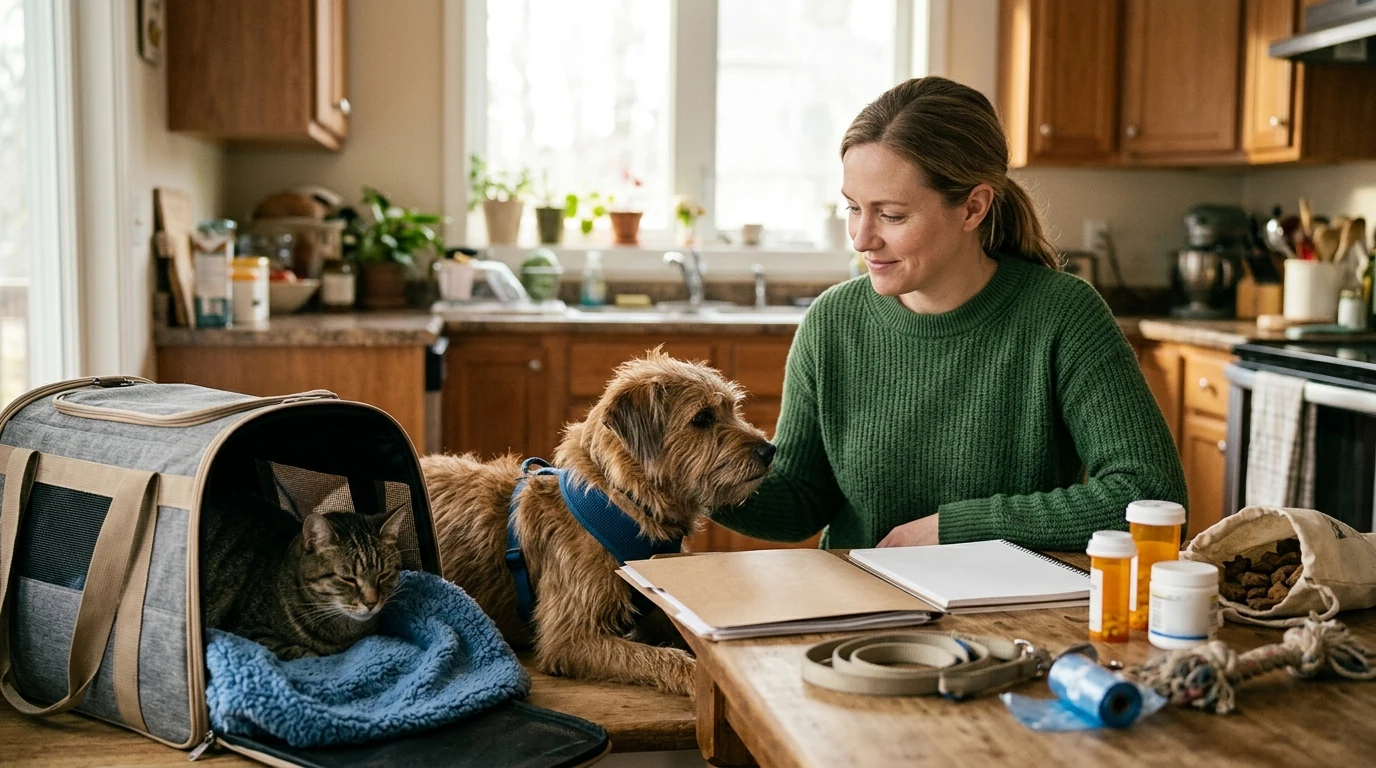
Vet Visits Made Simple: A Step-by-Step Guide for Pet Owners
Vet appointments go more smoothly when preparation, communication, and follow-up are handled in a consistent routine. The goal is simple: reduce stress for your pet, give the veterinarian clear and usable information, and leave with a plan you can actually follow at home. The steps below break the process into “before, during, and after” so each visit builds better care over time.
Step 1: Decide what kind of appointment is needed
Start by matching the visit type to your goal: a wellness check, vaccinations, illness or injury evaluation, chronic-condition recheck, dental consult, behavior consult, or pre-surgery assessment. When you call, ask whether the clinic wants a brief triage description before you arrive and what records they prefer you send ahead.
Know the red flags that warrant faster care. Seek urgent veterinary attention if you notice breathing difficulty, collapse, uncontrolled bleeding, seizures, severe pain, repeated vomiting, or suspected toxin ingestion. The ASPCA Animal Poison Control also maintains a practical reference list of common toxins and poisoning signs.
If you have multiple pets, clarify whether separate appointments are needed. One longer, focused exam often works better than trying to squeeze two pets into a single slot and forgetting questions.
Step 2: Gather information the veterinarian can act on
A little structure makes your observations far more useful. Write a quick timeline of symptoms: when it started, how often it happens, what seems to improve or worsen it, and whether the issue is improving or progressing.
If you can, track measurable details for 24–72 hours: appetite, water intake, urination, stool quality, vomiting episodes, coughing, scratching, limping, and energy level. Bring a current list of medications and supplements with exact doses and schedules (including flea/tick and heartworm prevention products and the dates given).
Collect relevant files such as prior medical records, vaccine history, recent lab results, imaging reports, and your pet’s microchip number. For intermittent problems—like limping, coughing fits, seizures, head tilt, itching, or unusual stool—short videos or photos can help the veterinarian see what your pet doesn’t do on command in the exam room.
Step 3: Prepare the pet for lower-stress handling and transport
For cats, leave the carrier out in advance so it becomes part of the environment, not a surprise. Add familiar bedding and consider covering the carrier with a towel during travel to reduce visual stress. For dogs, take a brief potty break before leaving and use a secure harness or a crash-tested seat restraint when possible.
Ask the clinic whether fasting is required for labs, imaging, or sedation. If nausea is a concern, avoid a large meal right before the visit unless instructed otherwise.
Pack a small “go bag”: leash or carrier, high-value treats (if allowed), a favorite toy or blanket, cleanup supplies, and a muzzle only if your dog has been calmly conditioned to it. If your pet has a history of severe anxiety or aggression, call well before the appointment date to discuss pre-visit calming plans or medications.
Step 4: Ask the right questions during check-in and exam
Common tests and treatments: what they help with
A physical exam often determines the most efficient next step—such as evaluating pain, fever, hydration, heart and lung sounds, oral health, skin and ears, and mobility. Lab work and imaging can then confirm (or rule out) problems like infection, parasites, diabetes, organ-function changes, foreign bodies, or injuries. Vaccines and preventives are typically tailored to lifestyle risk (indoor vs. outdoor, travel, boarding, and local disease patterns). The American Veterinary Medical Association (AVMA) and AAHA guidelines are helpful references for general pet-owner education and vaccination concepts.
| Clinic step | What it answers | What to bring or note |
|---|---|---|
| Wellness exam | Baseline health and early issues | Diet, weight trends, behavior changes |
| Vaccinations | Protection based on risk | Prior vaccine dates, travel/boarding plans |
| Bloodwork | Organ function, inflammation, infection clues | Fasting status if requested, medication list |
| Urinalysis/fecal test | UTI, kidney concerns, parasites | Fresh sample when requested; collection method |
| X-ray/ultrasound | Injury, foreign body, chest/abdomen concerns | Any prior imaging reports if available |
| Prescription plan | Targeted symptom relief and disease control | Ability to pill/medicate; food allergies or sensitivities |
Step 5: Leave with a complete, usable plan
Step 6: Track care after the visit so nothing gets missed
Step 7: Make future visits easier for anxious pets
Helpful products for staying organized and consistent
- Vet Visits Made Simple: A Step-by-Step Guide for Pet Owners – Preparing, Attending & Tracking Vet Appointments (digital-friendly routine for before/during/after visits and record tracking)
- Muscle Relaxation Toolkit for Total Tension Relief – 3-in-1 Bundle for Deep Muscle Relaxation (a practical option for unwinding after stressful care days)
FAQ
What should be brought to a vet appointment?
Bring medical records you have, a medication/supplement list with doses and schedules, and photos or videos of intermittent symptoms. Bring a leash or secure carrier, and a stool/urine sample only if the clinic specifically requests it; ask ahead if fasting is needed for certain tests.
How can an anxious cat or dog be prepared for the vet?
Start early with lower-stress transport (carrier left out for cats, secure restraint for dogs), practice brief handling at home with rewards, and schedule quieter times if possible. If anxiety is severe, call in advance to discuss pre-visit calming strategies or prescription options.
How can vet care be tracked between visits?
Use a simple log with the visit date, reason, findings, tests/results, medications, and next steps, plus reminders for doses and rechecks. Track 1–3 daily metrics tied to the plan (like appetite, stool quality, or mobility) and keep key documents stored together for quick reference.
















Leave a comment