60-10-2 Night Routine for Calm Skin and Better Sleep
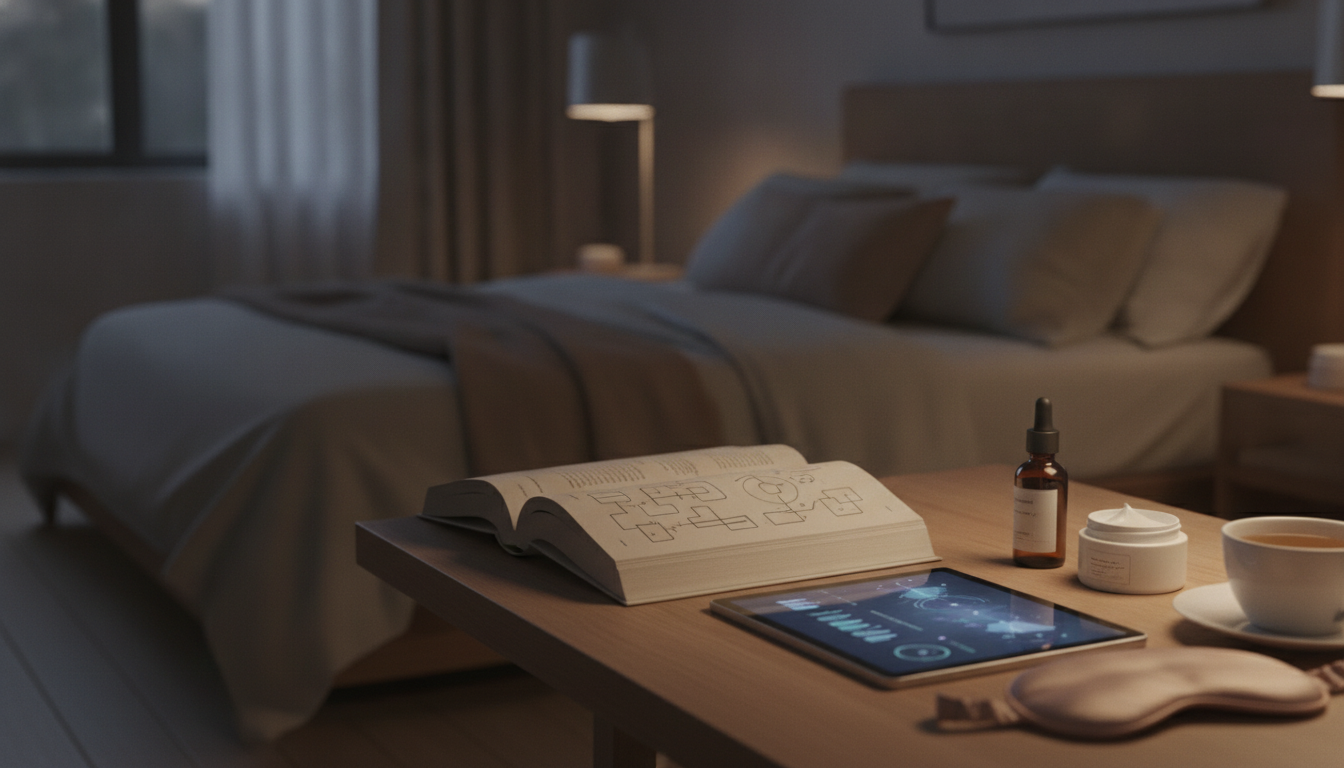
Why nights matter for skin recovery and sleep quality
Your nighttime routine does double duty: it supports skin comfort while nudging your brain and body into “rest mode.” Overnight, the skin tends to lose more water, and everyday stressors (sun exposure, friction, pollution, and product irritation) can catch up with you. A gentle evening approach helps reduce tightness, redness, and that dry, “worn out” feeling you might notice in the morning.
Sleep also changes how your skin looks and feels the next day. Short or inconsistent sleep can show up as dullness, puffiness, or increased sensitivity. The more predictable your bedtime signals are—same order, same lighting, same few steps—the easier it is to fall asleep without negotiating with yourself at the end of the day.
If you want a simple starting point, use sleep hygiene basics like keeping a consistent sleep schedule and winding down before bed, as recommended by the CDC and the NHLBI.
The 60–10–2 wind-down framework
This framework keeps you from doing “everything at once” at bedtime. Instead, it spreads calming cues across three short windows so your skin and nervous system get the message gradually.
60 minutes before bed: soften stimulation
Dim the lights, stop intense tasks, and switch to quiet activities. This is when you’ll feel the biggest payoff from small changes—lower brightness, fewer notifications, and less mental friction.
10 minutes before bed: quick hygiene + skincare
Keep skincare gentle and repeatable. The goal is to finish feeling comfortable—not squeaky-clean, not tight, not tingling.
2 minutes in bed: calm the body fast
Do a short breathing pattern or body scan that feels easy. Two minutes is long enough to interrupt racing thoughts, but short enough that it won’t feel like another “task.”
| Time before bed | Skin step | Body & mind step | Keep it simple |
|---|---|---|---|
| 60–30 min | Remove makeup/sunscreen if needed; avoid harsh scrubs | Warm shower or wash-up; lower room brightness | Pick one relaxing activity (reading, stretch, music) |
| 30–10 min | Hydrate: toner/essence optional; moisturizer to seal | Prep bedroom: cool temperature, tidy nightstand | Set phone to Do Not Disturb; charge away from bed |
| 10–2 min | Targeted product (retinoid/acid) only if tolerated; otherwise skip | Slow breathing; unclench jaw/shoulders | Use the same steps nightly to build cues |
| 2–0 min | Lip balm/hand cream if dry | Body scan or gratitude note | Lights out at a consistent time |
Nighttime skincare routine: gentle, effective, repeatable
A calming nighttime routine is less about “more products” and more about barrier support. Think: clean skin, low irritation, and enough moisture to wake up comfortable.
1) Cleanse (without stripping)
Choose a cleanser that rinses clean but doesn’t leave your face tight. Double cleansing is helpful only when you’re wearing heavy sunscreen, long-wear makeup, or you’ve reapplied products multiple times. Otherwise, one gentle cleanse is usually enough.
2) Treat (only what your skin can handle)
Actives can be great, but nighttime is not the time for experimentation. If you use retinoids or exfoliating acids, introduce them slowly and consider alternating nights. If your skin stings, flakes, or feels hot, that can disrupt sleep—so it’s okay to skip actives and prioritize comfort.
3) Moisturize (barrier-first)
Look for barrier-supporting ingredients such as ceramides, glycerin, squalane, and hyaluronic acid. Many people find hyaluronic acid works best applied to slightly damp skin, followed by moisturizer to seal it in.
4) Spot needs (small fixes, big comfort)
Use acne patches on individual blemishes, a thin layer of petrolatum on stubborn dry patches, or a soothing fragrance-free cream if you’re feeling reactive. These “targeted tweaks” can prevent late-night itching or tightness.
5) Avoid common disruptors
Strong fragrance, over-exfoliation, very hot water, and trying new products right before an important day can all backfire. If your goal is better sleep, aim for fewer surprises.
A sleep-friendly ritual that doesn’t feel like a chore
The most effective sleep rituals are the ones you’ll actually repeat. Instead of building a long checklist, use a few sensory cues and one “downshift tool.”
Use sensory cues as a shortcut
Pick one downshift tool
Choose one technique and keep it small: 4-7-8 breathing, progressive muscle relaxation, or a short guided meditation. If you hold tension in your neck, jaw, or hips, a structured approach can help—consider a guided resource like the Muscle Relaxation Toolkit for Total Tension Relief – 3-in-1 Bundle for Deep Muscle Relaxation to make the habit easier to stick with.
Reduce evening stimulants and bedroom friction
Adjustments by skin type and common concerns
Dry or dehydrated
Oily or acne-prone
Sensitive or reactive
Hyperpigmentation
Make it consistent: habit cues, tracking, and small wins
On hard nights, use a “minimum routine”: cleanse + moisturize + lights out. Add two minutes of breathing and keep your phone out of the bed. If you want a structured way to personalize your steps (including late nights, travel, and low-energy evenings), the Evening Routines for Restful Skin and Deep Sleep – Nighttime Skincare & Sleep Ritual Guide organizes timing, product choices, and calming cues into an easy sequence.
FAQ
How long should an evening routine be to improve sleep and skin?
A short routine done consistently is usually more effective than a long routine done occasionally. Aim for a 5–10 minute “minimum routine” most nights, and add a 30–60 minute wind-down window when your schedule allows.
Is it okay to use retinoids or exfoliating acids right before bed?
Yes—if your skin tolerates them well and you’re not overdoing it. Start slowly, alternate nights, moisturize after, and avoid stacking multiple strong actives; stop or scale back if irritation starts affecting comfort or sleep.
What’s the simplest routine for very tired nights?
Cleanse (or rinse if appropriate) + moisturize + lights out. Add two minutes of slow breathing in bed and keep your phone away from the pillow to reduce mental stimulation.
















Leave a comment