AI Family Packing Lists for Smooth, Stress-Free Trips
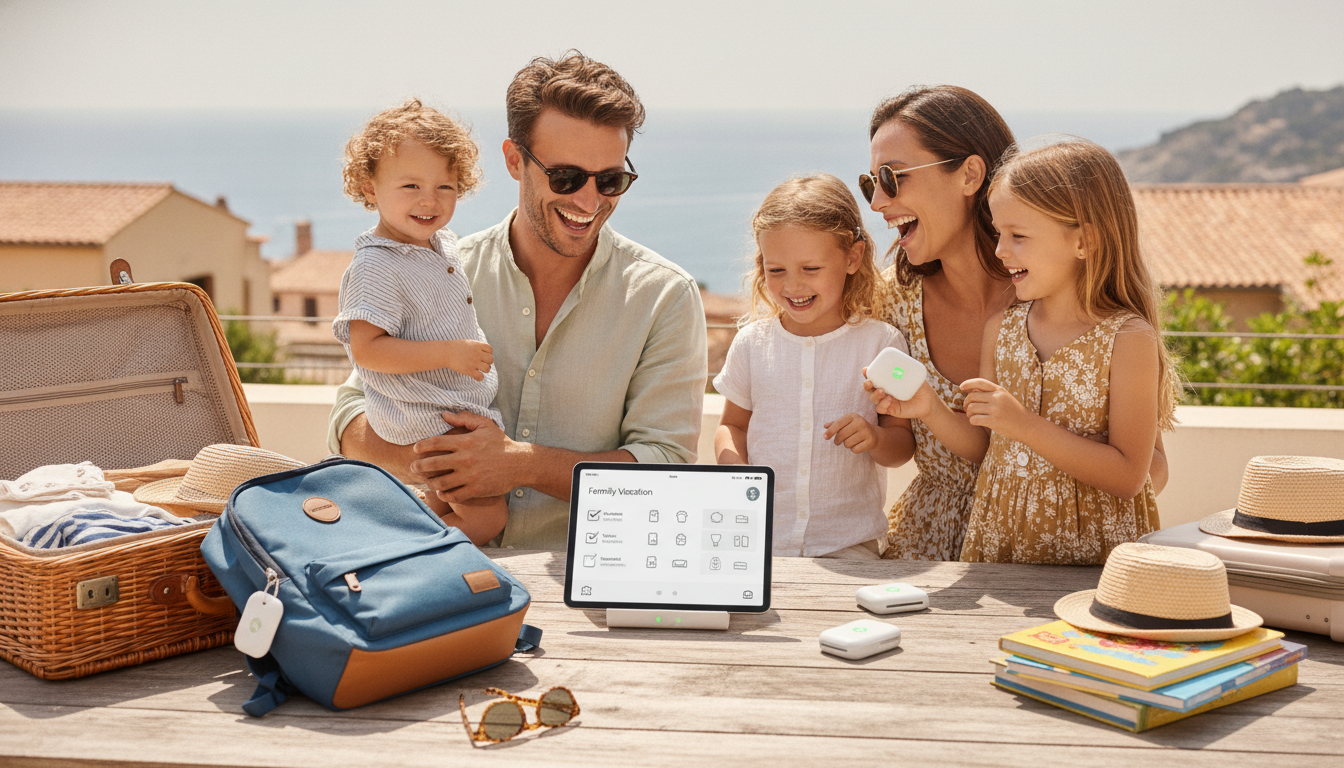
Smart Family Travel System: AI-Powered Packing Lists for Stress-Free Family Trips
Family travel gets complicated fast—different ages, activities, weather changes, and last-minute needs. The Smart Family Travel System turns those moving parts into clear, reusable packing lists and trip checklists, so essentials don’t get missed and bags don’t get overstuffed.
Why family packing breaks down
Most packing problems aren’t about forgetting “a toothbrush.” They happen when many small variables collide at once.
- Different needs per person: toddlers, teens, and adults require separate essentials, different clothing logic, and realistic backups.
- Multiple scenarios in one trip: pool day, hikes, city touring, long drives, and hotel downtime can all happen in the same 72 hours.
- Hidden friction points: chargers, meds, documents, snacks, laundry planning, and stroller/car-seat accessories tend to live in different drawers—until you need them at the same time.
- Last-minute changes: weather swings and schedule updates force repacking, which increases duplicates and creates gaps.
If you’ve ever arrived with three swimsuits but no rash guard, or packed everyone’s shoes except the one pair a kid will actually wear, that’s not “bad packing”—it’s an overloaded system.
What the Smart Family Travel System does
The Smart Family Travel System – AI for Family Vacation Packing Lists Bundle is built to organize family packing the way families actually travel: by person, by activity, and by shared resources.
- Creates structured packing lists by traveler, destination type, trip length, and planned activities.
- Builds reusable templates for common trips (beach week, theme park weekend, road trip, visiting relatives) so you’re not starting from scratch.
- Prevents duplicates by assigning shared items (sunscreen, first-aid kit, chargers) once to a designated packer.
- Adds time-sensitive reminders for medication refills, document checks, and reservation details.
Common list modules families reuse
| Module | What it covers | When it’s most useful |
|---|---|---|
| Essentials core | Documents, money/cards, phone/charger, key items | Any trip |
| Kids day kit | Snacks, wipes, change of clothes, comfort items | Flights, long drives, day outings |
| Health & safety | Meds, first aid, allergy needs, contact info | All trips; critical for remote areas |
| Weather layer plan | Rain gear, warm layers, sun protection | Shoulder seasons, variable climates |
| Sleep & routine | Night lights, white noise, favorite items, bedtime cues | Hotels, rentals, new environments |
How to set it up for a real trip in 15 minutes
Instead of trying to “remember everything,” set up a repeatable flow that takes one short planning session.
- Start with trip basics: dates, destination, transport type, lodging style, and planned activities (even a rough sketch helps).
- List each traveler and constraints: diapering needs, sensory preferences, sports gear, medication schedules, and comfort items that affect sleep.
- Choose your packing strategy: carry-on only, mixed bags, or checked luggage with a clear “must-not-check” list.
- Assign ownership: each person gets a mini-list; shared items go to one designated packer so you don’t bring three sunscreens and zero aloe.
- Lock two review windows: 48 hours out for purchases and laundry; 12 hours out for charge-and-load (devices, batteries, downloads, and snacks).
For transportation rules and screening tips when traveling with kids, review TSA guidance on traveling with children. For health planning and family travel considerations, the CDC’s traveling with children resource is a helpful reference.
Packing workflows that reduce overpacking
Overpacking is usually a response to uncertainty. These workflows replace “just in case” with a plan.
If bedtime is the part of travel that unravels your day, pairing a packing system with a night routine can make a noticeable difference. The Peaceful Nights System for Worried Sleepers – 4-in-1 Bundle to Calm Kids’ Night Fears complements travel planning by helping kids settle in unfamiliar rooms.
Family-specific checklists you’ll use beyond packing
For international trips, it also helps to check current advisories and preparation guidance from the U.S. Department of State before finalizing documents and timelines.
Who benefits most
Bundle details and where to get it
- Product: Smart Family Travel System – AI for Family Vacation Packing Lists Bundle
- Price: $326.99 (USD)
- Availability: In stock
- Best use: create repeatable packing lists that adapt by traveler and trip type
If travel days leave adults sore and tense from carrying bags, seats, and long drives, the Muscle Relaxation Toolkit for Total Tension Relief – 3-in-1 Bundle for Deep Muscle Relaxation can be a practical add-on for post-travel recovery routines.
FAQ
How does an AI-based packing system differ from a standard checklist?
An AI-based system personalizes lists by destination, duration, activities, and traveler profiles, then saves those as reusable templates. It also helps assign shared items once (instead of per person) so families avoid duplicates and accidental gaps.
What should always go in a family carry-on or day bag?
Bring documents, medications, chargers, wipes or sanitizer, snacks and water, one full change of clothes per child, a small first-aid kit, a comfort item, and a basic entertainment kit. Keep it all together so it stays accessible during delays and transitions.
How far in advance should a family start packing?
Draft your list 7–10 days out, buy missing items 3–5 days out, and pack non-essentials about 2 days out. Do final essentials the night before, and charge devices plus load the car or organize carry-ons the day of travel.
















Leave a comment