Comfort-First Inclusive Outfit Formulas for Any Body
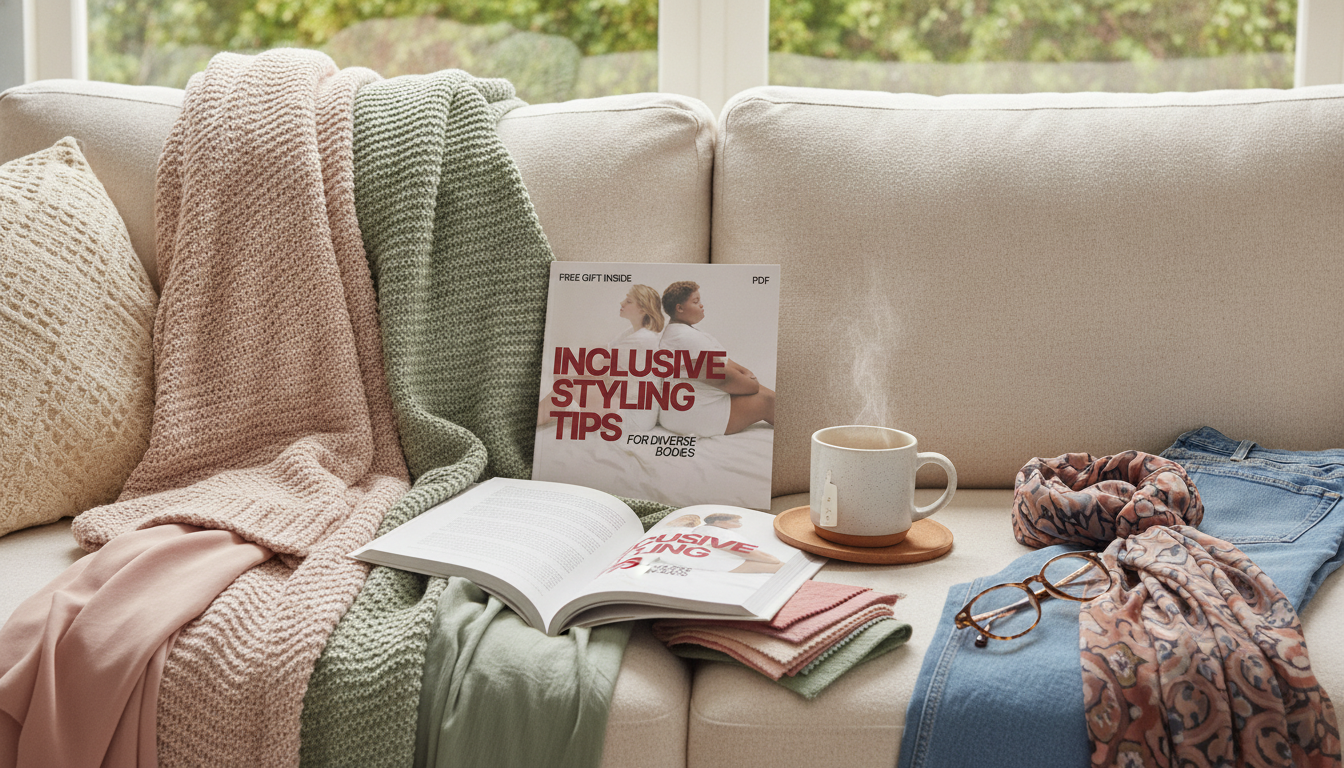
Great Style Starts with Comfort, Fit, and Self-Trust
Inclusive style isn’t about “fixing” your body or chasing rigid rules. It’s about building outfits that support how you actually live—your comfort, your mobility needs, your sensory preferences, and your personal taste. When clothes feel good on your body, confidence follows naturally. Use the tips below to create versatile outfits using proportion, fabric, and small styling choices that work across many shapes and sizes.
Start with comfort-first foundations
- Prioritize ease of movement: do a quick sit-test, reach-test, and walk-test before committing to an outfit for the day.
- Choose underlayers that reduce friction: look for smooth seams, soft waistbands, and breathable fabrics that won’t pinch or bunch.
- If sensory comfort matters, simplify: tag-free tops, brushed knits, and gentle stretch often feel better than stiff structure or scratchy trims.
- Create a “baseline outfit” you trust: a favorite pant + top + shoe that always feels right. When you’re stuck, start there and change only one element (layer, jewelry, or color).
Fit and proportion without body “rules”
- Use a third piece for balance: an open shirt, cardigan, blazer, or scarf can add shape to an outfit without restricting your body.
- Adjust proportions with hemlines and rise: higher rises can lengthen the leg line; longer tops add coverage; cropped layers can highlight waist placement if you enjoy that look.
- Try outfit framing instead of “flattering”: decide where you want attention to land—neckline, sleeve shape, shoe color, a bold earring, or a great bag.
- Pick fabrics based on feel and preference: for less cling, choose ponte, modal blends, or drapey wovens; for more definition, look for structured knits, denim with recovery, or tailoring with stretch.
Inclusive outfit formulas that work across many bodies
Outfit formulas remove decision fatigue. Start with a dependable structure, then swap pieces based on weather, comfort, and your day’s demands.
- Formula 1 (easy polished): relaxed trouser + fitted/clean tee + open layer + comfortable sneaker/loafer.
- Formula 2 (soft shape): midi skirt + lightweight knit + belt or half-tuck + low-heel boot or flat.
- Formula 3 (one-and-done): dress or jumpsuit + layering piece + shoe that matches your walking needs.
- Formula 4 (casual): jeans with stretch recovery + tunic or boxy tee + jacket with pockets + supportive shoe.
- Make any formula more adaptive: choose pull-on styles, swap fussy closures for easier options, add a camisole for coverage, or look for magnetic/zip alternatives when available.
Outfit formulas by occasion (swap pieces to match comfort, climate, and mobility needs)
| Occasion | Base Pieces | Layer | Shoes | Comfort/Access Notes |
|---|---|---|---|---|
| Work/School | Straight or wide-leg pant + knit top | Cardigan or blazer with stretch | Loafer or sneaker | Look for breathable fabrics and waist comfort for all-day wear |
| Errands | Leggings or joggers + longer tee | Denim jacket or shacket | Supportive sneaker | Prioritize pockets, easy on/off, and temperature control |
| Dinner | Dress or dark jean + silky top | Cropped jacket or wrap | Block heel or flat | Choose fabrics that don’t pinch when seated |
| Event | Jumpsuit or coordinated set | Statement coat or shawl | Dressy flat | Consider adaptive closures and layers for venue temperature |
Fabric, color, and pattern choices that build confidence
- Fabric matters more than the size label: prioritize stretch recovery (so garments bounce back), drape (so they skim), and breathability (so you feel steady all day).
- Use color with intention: monochrome can feel streamlined; contrast can spotlight areas you love; mid-tones often feel softer and less visually harsh.
- Place patterns where you want focus: prints near the face frame beautifully; patterned skirts/pants add play; patterned accessories are a low-commitment pop.
- Avoid common comfort mismatches: if you dislike cling, skip thin jersey with no structure; if you dislike stiffness, avoid rigid thick fabrics with no stretch.
For evidence-based wellness and body-related guidance that supports a balanced approach (without appearance-based pressure), the CDC’s resources can be a helpful reference: CDC: Healthy Weight, Nutrition, and Physical Activity.
Simple tailoring and easy alterations (no body changes required)
For dressing considerations that may support aging bodies or changing mobility needs, browse practical guidance from the National Institute on Aging: National Institute on Aging: Health & Dressing Considerations.
Build a versatile mini-wardrobe (fewer pieces, more outfits)
Supportive footwear can make or break comfort, especially for long walking days. The American Podiatric Medical Association offers helpful footwear guidance: APMA: Footwear Resources.
Make confidence practical: getting dressed when you’re not feeling it
Shop supportive resources (digital guides & bundles)
- Inclusive Styling Tips for Diverse Bodies: A Guide for Fashion Confidence and Versatile Outfits ($6.99) — a quick reference for building outfits with comfort-first confidence.
- Muscle Relaxation Toolkit for Total Tension Relief – 3-in-1 Bundle for Deep Muscle Relaxation ($307.99) — helpful if physical tension affects how clothing feels throughout the day.
FAQ
How can outfits feel stylish without being uncomfortable?
Choose breathable, soft fabrics with stretch recovery and look for adjustable fits like elastic-back waists or wrap styles. Create structure with layers (an open shirt or cardigan) instead of tightness, and test sitting and walking before heading out.
What’s an easy way to make one outfit work for multiple occasions?
Use a simple base (pants + top or a dress) and change the layer and shoes: cardigan and sneakers for casual, blazer and loafers for polished, or a statement coat with dressy flats for events. Keeping a consistent color palette makes swapping pieces faster.
Do I need to follow body-shape rules to look put-together?
No—aim for comfort and coherence, then choose where you want emphasis (neckline, sleeves, shoes, or accessories). Balance proportions with hemlines and layers based on preference, not “correction.”









Leave a comment