Cat Hygiene Maintenance Pack: 5-in-1 Checklists Routine

Cat Hygiene Maintenance Pack: A Practical 5-in-1 Routine with eBooks and Checklists
Keeping a cat clean and comfortable is less about occasional deep-cleaning and more about small, repeatable habits. A structured hygiene routine can reduce odors, limit hair and dander buildup, support skin and coat health, and help spot early signs of discomfort. This guide breaks cat hygiene into manageable steps and shows how a bundled set of eBooks and checklists can turn scattered tasks into a consistent plan.
What “good hygiene” means for cats
Cat hygiene isn’t only about looking tidy—it’s about supporting normal behaviors (like grooming and litter use) while noticing changes early.
- Daily baseline: litter box condition, water freshness, a quick coat scan for debris, and a brief behavior check (appetite, grooming, energy).
- Weekly rhythm: brushing schedule, litter box deep clean, nail check, and a short ears/eyes look-over.
- Monthly or as-needed: bathing only when necessary, dental routine adjustments, flea/tick checks aligned to local risk, and grooming tool replacement/cleaning.
- Health-first approach: hygiene is also observation—changes in odor, coat texture, dandruff, or litter habits can signal stress or illness.
For foundational care guidance, these references are helpful: American Veterinary Medical Association (AVMA) – Caring for Your Cat, Cornell Feline Health Center – Health Information, and ASPCA – Cat Care.
What’s included in the Cat Hygiene Maintenance Pack
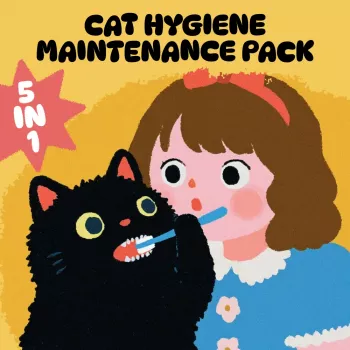
A routine is easier to follow when it’s written down in the same place you track it. The Cat Hygiene Maintenance Pack: 5-in-1 Bundle of eBooks & Checklists for Your Feline is built as a practical system: reference-style eBooks for “how to” steps, plus reusable checklists that turn care into a predictable cadence.
- A 5-in-1 bundle designed to guide hygiene tasks with step-by-step eBooks and ready-to-use checklists.
- Checklists that can be reused as daily/weekly/monthly trackers to reduce missed tasks.
- A system-style layout that helps divide responsibilities among household members (feeding, litter, grooming, environment).
- Best fit: cat owners who want consistency, multi-cat households, busy schedules, and anyone building routines for a newly adopted cat.
Hygiene areas and how a checklist-based routine helps
| Hygiene area | Routine goal | Checklist examples | Common warning signs to note |
|---|---|---|---|
| Litter box | Reduce odor, encourage consistent use | Scoop schedule, deep-clean dates, litter level checks | Avoidance, straining, blood, sudden accidents |
| Coat & skin | Limit mats, shedding, and dander buildup | Brushing frequency by coat type, tool cleaning | Excess dandruff, bald patches, persistent scratching |
| Paws & nails | Prevent snagging, discomfort, or overgrowth | Nail check intervals, trimming log, scratcher condition | Limping, cracked nails, swelling, reluctance to jump |
| Ears, eyes, mouth | Support comfort and early detection | Quick inspection steps, dental routine tracker | Bad breath, drooling, head shaking, discharge |
| Home environment | Keep surfaces and air cleaner | Bedding wash days, vacuum schedule, filter changes | Worsening allergies, increased hair buildup, odors |
Building a low-stress routine (cats cooperate when the process is predictable)
Cats tend to accept hygiene tasks best when the steps are short, calm, and consistent. The goal is “no drama” repetition—not perfection.
- Start with 2-minute sessions: one small task per day (e.g., brief brushing or paw check) rather than long grooming events.
- Pair hygiene tasks with calm rewards: play, treats, or a preferred resting spot; end sessions before frustration builds.
- Keep tools visible but non-threatening: let the cat sniff the brush/clippers; use gentle handling and quiet environments.
- Use consistent cues: same location, same mat, same time window to create routine familiarity.
Core checklists to follow week by week
When a task is small enough to do even on busy days, it actually gets done. A checklist routine keeps the bar realistic while still catching issues early.
- Daily: scoop litter, refresh water bowls/fountain, wipe food area, quick coat scan, and a 10-second body language check.
- Weekly: full litter refresh (as needed), wash bedding/blankets, brush to the skin (especially longhair), nail tip inspection, wipe down carriers and scratchers.
- Monthly: weigh the cat (or body condition check), sanitize grooming tools, review parasite prevention schedule, inspect common hiding places for hair buildup and odor.
- After exceptions (mud, diarrhea, fleas): temporary “recovery checklist” for more frequent checks until normal routine resumes.
Mistakes that make hygiene harder (and simple fixes)
- Over-bathing: most cats do not need frequent baths; focus on brushing, spot cleaning, and environment cleanliness instead.
- Skipping gradual introductions: introducing nail trims or tooth brushing without acclimation can create long-term resistance. Start with touch-only sessions, then add tools.
- Using harsh or scented products: cats are sensitive to fragrances; use cat-safe products and follow veterinary guidance.
- Ignoring small behavior shifts: changes in grooming, litter habits, or odor are often early indicators worth logging and discussing with a veterinarian.
Who benefits most from a bundle of eBooks and checklists
Getting started in 15 minutes
Product options (digital bundles)
- Cat Hygiene Maintenance Pack: 5-in-1 Bundle of eBooks & Checklists for Your Feline (digital bundle)
- Peaceful Nights System for Worried Sleepers – 4-in-1 Bundle to Calm Kids’ Night Fears (digital bundle)
- Muscle Relaxation Toolkit for Total Tension Relief – 3-in-1 Bundle for Deep Muscle Relaxation (digital bundle)
FAQ
How often should a cat be bathed?
Most cats rarely need baths; brushing and spot cleaning handle the majority of hygiene needs. Baths may be appropriate for medical reasons, heavy contamination, or certain coat issues—confirm with a veterinarian and use cat-safe products.
What’s a simple daily hygiene routine that actually sticks?
Keep it under five minutes: scoop the litter, refresh water, do a quick coat scan, and add a short brushing session. Attaching it to an existing habit (right after feeding or before play) makes it easier to repeat.
When is poor hygiene a sign to call a veterinarian?
Contact a veterinarian if there’s sudden lack of self-grooming, strong new odors, persistent diarrhea, straining in the litter box, ear discharge, significant dandruff/bald spots, or painful reactions to touch.















Leave a comment