How to Design One Space for Many Uses
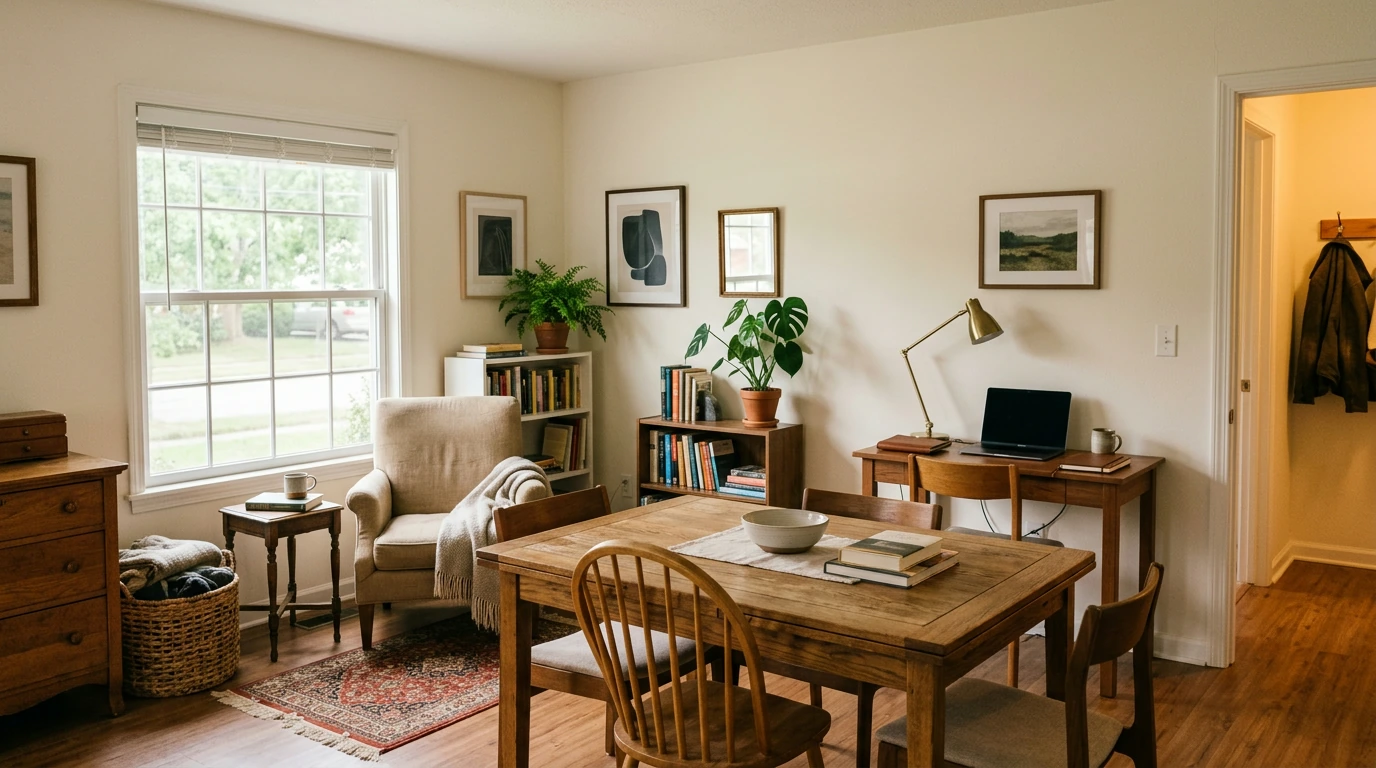
One room can support focused work, shared meals, hobbies, and relaxed evenings without feeling crowded by competing purposes. The key is to plan around what you actually do there, then make it easy to move from one activity to the next.
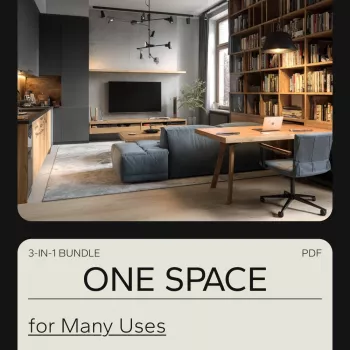
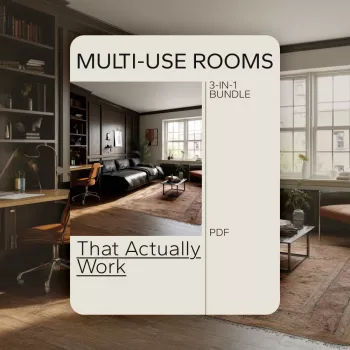
Our team recommends starting with a simple inventory of your needs before choosing furniture or dividing the room into zones. If you want a product option to support your planning, explore our 3-in-1 Multifunctional Space Design Bundle alongside the practical steps below.
Start With the Activities That Matter Most
Write down everything you want the room to accommodate, then rank each activity by how often it happens. A daily work area may deserve a permanent position near an outlet, while an occasional craft project might need only a clear table and a nearby supply basket.
For each activity, note what makes it comfortable and practical. Focused work may call for quiet and task lighting; a game night may need several seats and a shared surface. Include storage in your list so that papers, equipment, and hobby supplies have somewhere to go when you are finished.
Measure the room and sketch its shape. Mark doors, windows, outlets, and the paths you naturally take between them. Keep those routes clear as you plan. The National Institute on Aging’s home safety guidance recommends keeping walkways free of clutter and securing rugs to reduce tripping hazards.
Create Zones Without Closing Off the Room
Zones do not have to mean partitions. A chair angled toward a window can establish a reading spot, while a desk placed against a quieter wall can give work a clear home. Use a rug to visually group seating, or layer lighting so the room can shift from bright and practical to softer and more relaxed.
A shared table can serve as a workspace, dining surface, or project station. Choose a position that leaves room to pull out chairs and move around the table. If you expect to rearrange it, leave enough open floor space to make the change without moving every other piece first.
| Approach | Useful for | Planning consideration |
|---|---|---|
| Rug or floor covering | Defining a seating area | Keep edges clear of main walkways |
| Open shelving | Separating work and relaxation areas | Avoid blocking light or access |
| Adjustable lighting | Changing the mood between activities | Place task lighting where it is needed |
Think about lighting at different times of day, too. A window may provide useful daylight for work, but you may still need a lamp for evening tasks. The U.S. Department of Energy’s lighting guide explains options for choosing efficient bulbs.
Make Transitions Simple
A flexible room works best when changing activities does not become a project of its own. Give each activity a dedicated storage spot: a drawer for work supplies, a basket for games, or a shelf for hobby materials. Store frequently used items close to where you use them, and reserve less accessible spaces for occasional supplies.
Movable seating and compact storage can help when you regularly need to open the floor or gather people around a table. Before buying anything, measure the space where each piece will sit in both its everyday and alternate positions.
Then try a real transition. Set up for work, put everything away, and arrange the room for an evening activity. Notice whether cords cross a walkway, chairs are awkward to move, or supplies lack a home. Small adjustments can make the reset much easier.
Explore the 3-in-1 Multifunctional Space Design Bundle
Our 3-in-1 Multifunctional Space Design Bundle is an option to consider when planning a room for multiple uses. Start with your activity list and measurements, then compare your priorities with the product details to decide whether it suits your plans. Visit the product page for current price, availability, and purchase details.
Make the same assessment for any addition: consider where it will go, what role it will play, and whether it leaves enough room for the activities that matter most. A flexible space should support your routine rather than require you to work around it.
Bring the Room Together
Separate zones can still feel like one room. Repeat a small selection of colors or materials across the space, such as a warm wood tone at the work area and in the seating zone. Consistency helps the room feel considered without making every piece match.
Keep decorative accents in proportion to the room’s practical needs. For example, our Vintage Resin Vase could add a finishing touch to a shelf or side table while leaving the shared work surface clear. Choose its location with circulation and everyday use in mind.
After living with your layout for a few weeks, revisit it. You may find that a lamp belongs closer to your chair or that a storage basket would work better beside the table. Adjusting furniture, lighting, and storage as your habits become clear is part of making the room truly yours.
FAQ
How do I divide a room for multiple uses without building walls?
Use rugs, furniture placement, open shelving, and lighting to distinguish zones without closing them off. Keep walkways and access to doors and windows clear.
What should I plan first in a multifunctional room?
Prioritize the activities you use the room for most often, then measure the space. Map doors, windows, outlets, and walkways before deciding where furniture should go.
How can I make a multifunctional room easier to reset?
Give each activity a dedicated storage spot near where it happens. Arrange furniture and supplies so you can move or put them away with minimal effort.










Leave a comment