AI Pet Behavior Toolkit: 10-in-1 Guides for Calm Homes
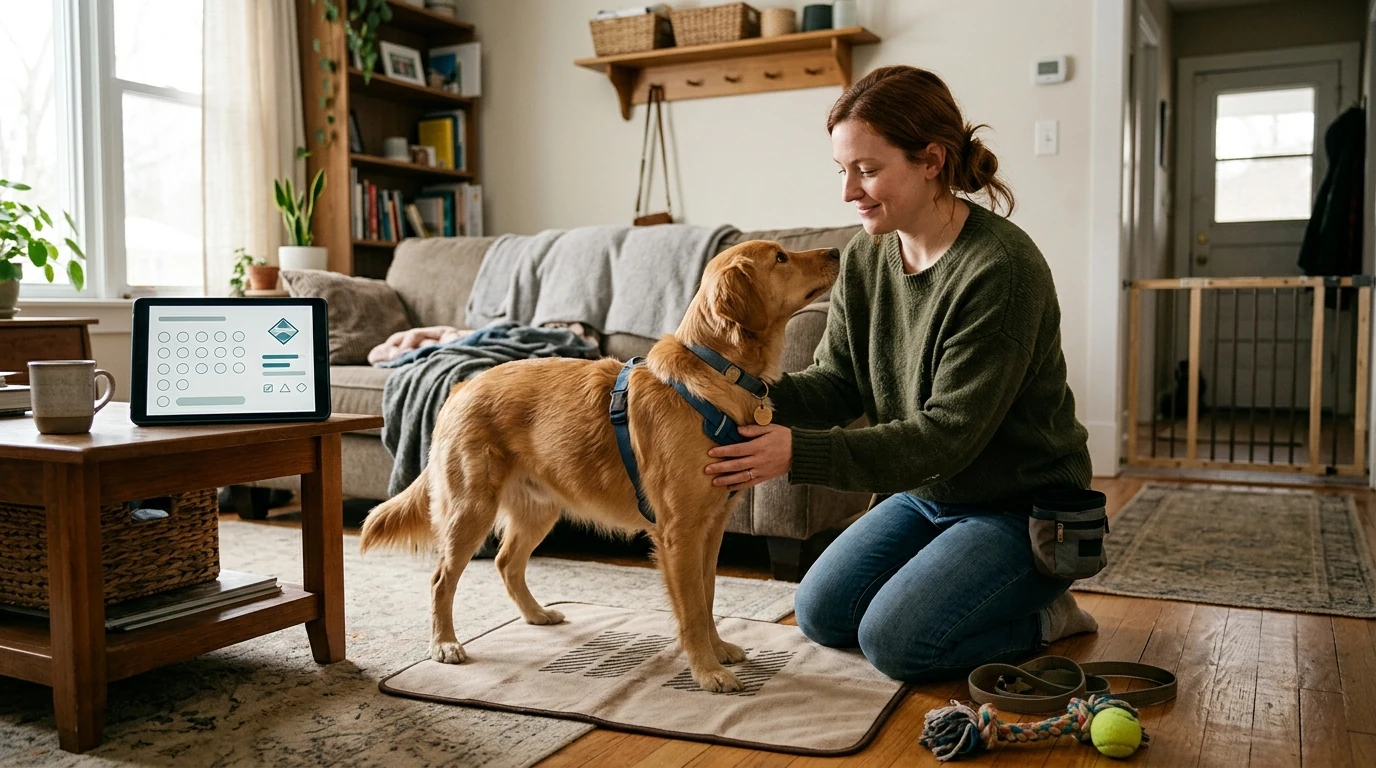
AI-Based Pet Behavior Toolkit for Every Pet Parent – A Practical 10-in-1 Bundle for Calmer Days
Every pet has a “language”—and most behavior problems are really communication problems. Our 10-in-1 AI-Based Pet Behavior Toolkit is built to help you spot patterns, choose a realistic next step, and stay consistent with simple guides, eBooks, and checklists that turn “Why are they doing this?” into a clear, doable plan. Instead of bouncing between conflicting advice, you get structure: track what happened, pick the right response, and build a calmer household one small win at a time.
What this toolkit helps solve (without guesswork)
Behavior is rarely random. When you can see what happens before, during, and after an incident, you can train the cause—not just react to the symptom. Our team built this bundle around the problems pet parents run into most often:
- Everyday friction points: jumping, pulling, barking/meowing for attention, mouthiness, counter surfing, scratching, litter box stress, and “selective hearing.”
- Anxiety and over-arousal moments: doorbell chaos, visitors, grooming, nail trims, car rides, and being alone.
- Multi-pet dynamics: resource guarding, rough play, chasing, tension around food/toys, and new-pet introductions.
- Routine pitfalls that trigger setbacks: inconsistent rules, unclear cues, accidental reinforcement, and “too much too soon” progressions.
- Incident tracking that’s actually usable: a structured way to log triggers, outcomes, and what changed—so your plan stays specific.
What’s inside the 10-in-1 bundle (and how to use it)
The fastest way to burn out is trying to “fix everything” at once. This bundle works best in short loops: pick one behavior, follow one plan for 7–14 days, review what improved, then adjust. The checklists keep your timing and setup tight (because details matter), while the guides give you both quick “do this now” references and deeper habit-building chapters.
A simple workflow that fits real homes:
- Identify the behavior you want to change (be specific).
- Note triggers and rewards (what your pet gets out of the behavior).
- Choose the matching checklist and commit to one plan.
- Practice in low-distraction settings first.
- Scale difficulty slowly so you don’t overwhelm your pet—or your household.
A simple weekly rhythm for behavior progress
| Day | Focus | What to track (quick notes) |
|---|---|---|
| Day 1 | Choose one target behavior + set up the environment | When it happens, likely trigger, what stopped it |
| Days 2–3 | Teach/refresh one cue or replacement behavior | Success rate out of 10 reps, reward type used |
| Days 4–5 | Add controlled distractions | What distraction, distance, and when it fell apart |
| Day 6 | Real-life practice (short, planned) | One win + one challenge; adjust next step |
| Day 7 | Review and reset | Trend notes: improving / same / worse; next week’s plan |
Why behavior change sticks: clarity, consistency, and the right replacement behavior
Most pet parents already know what they want to stop. The missing piece is usually what to do instead—plus a plan everyone can follow the same way.
- Clarity: one cue means one action. When household signals change day to day, learning slows down.
- Consistency: repeating the same response makes your home predictable, which reduces stress-driven behaviors.
- Replacement behaviors: instead of only “stop,” teach “do this instead” (sit for greetings, go to mat, trade, look at me, leave it).
- Management matters: preventing rehearsals (baby gates, leashes indoors, food storage, scratching posts) speeds learning.
- Progress isn’t linear: a bad day doesn’t mean the plan failed; it means the next step needs to be smaller or clearer.
If you want additional science-based guidance around training and behavior management, these resources are worth bookmarking: American Veterinary Society of Animal Behavior (AVSAB) position statements, ASPCA Pet Behavior & Training, and American Animal Hospital Association (AAHA).
Fast-start: pick your top issue and follow this decision path
When you’re in the moment, it helps to know which “bucket” the behavior belongs to. Use this quick decision path to choose your next step:
- Access behaviors (attention, food, outside): build a predictable routine and reinforce calm, polite requests before your pet escalates.
- Fear-based behaviors (startle, hiding, growling, defensive snapping): lower intensity, increase distance, and pair triggers with positive outcomes at a manageable level.
- Over-excitement behaviors (zoomies, jumping, mouthing): add structured outlets (sniffing, training games, enrichment) and teach a clear settle routine.
- Conflict between pets: separate resources, add parallel routines, and reintroduce slowly with neutral activities.
Red flags that call for professional help alongside any toolkit: sudden behavior change, signs of pain, repeated aggression, self-injury, or severe panic. In those cases, tracking still helps—because it gives your vet or behavior professional a clean record of triggers and outcomes.
Make the checklists work: set up the home so training is easier
Recommended picks from our store
- AI-Based Pet Behavior Toolkit for Every Pet Parent – 10-in-1 Bundle of Guides, eBooks & Checklists
- Muscle Relaxation Toolkit for Total Tension Relief – 3-in-1 Bundle for Deep Muscle Relaxation (helpful for you while you build calmer routines at home)
Who this bundle is for (and when to add extra support)
FAQ
Is this toolkit only for dogs, or can cat parents use it too?
You can use it for dogs, cats, and other companion pets because the strategies focus on universal behavior principles: triggers, reinforcement, routines, and clear replacement behaviors. The checklists make it easier to adapt the same structure to your pet and your household setup.
How quickly can changes happen?
Small improvements can show up in days when you’re consistent and prevent repeated “practice” of the unwanted behavior. Lasting change typically takes weeks, especially when you’re gradually increasing distractions and real-life difficulty.
What if my pet’s behavior suddenly got worse?
Start by ruling out medical issues and major stressors, especially if the change is abrupt or your pet seems uncomfortable. Use the toolkit to document triggers, context, and outcomes so you have clear notes to share with your vet or a behavior professional.















Leave a comment